

Pruning is an excellent preventative maintenance method for both young and established plants. The aim is to remove any dead or diseased stumps or branches to ensure strong, healthy growth.
During the winter, most woody plants are dormant, as are the numerous diseases and insects that can potentially invade pruning cuts. Therefore, pruning in cold weather prevents newly pruned trees and shrubs from becoming infected. Here are 3 plants to prune in your garden now.
Rose
The roses to be pruned in this period are Hybrid teas, floribunda And hybrid perpetuals. These flowers should be pruned hard each spring, first removing any weak, damaged or crossing stems and then pruning the remaining stems.
As for shrub roses, they need very little pruning, while climbing roses should be pruned in the period between autumn and winter.
Clematis
All late-flowering clematis can be hard pruned from mid-February.
Furthermore, this species is divided into three groups, the early flowering ones, which flower around May, which we advise you not to prune now; mid-season clematis (they flower between May and July) which, however, must be pruned by removing the weak and irregular stems. Finally, late flowering clematis which should be pruned now by removing the previous year’s growth.
Buddleia or Buddha rose
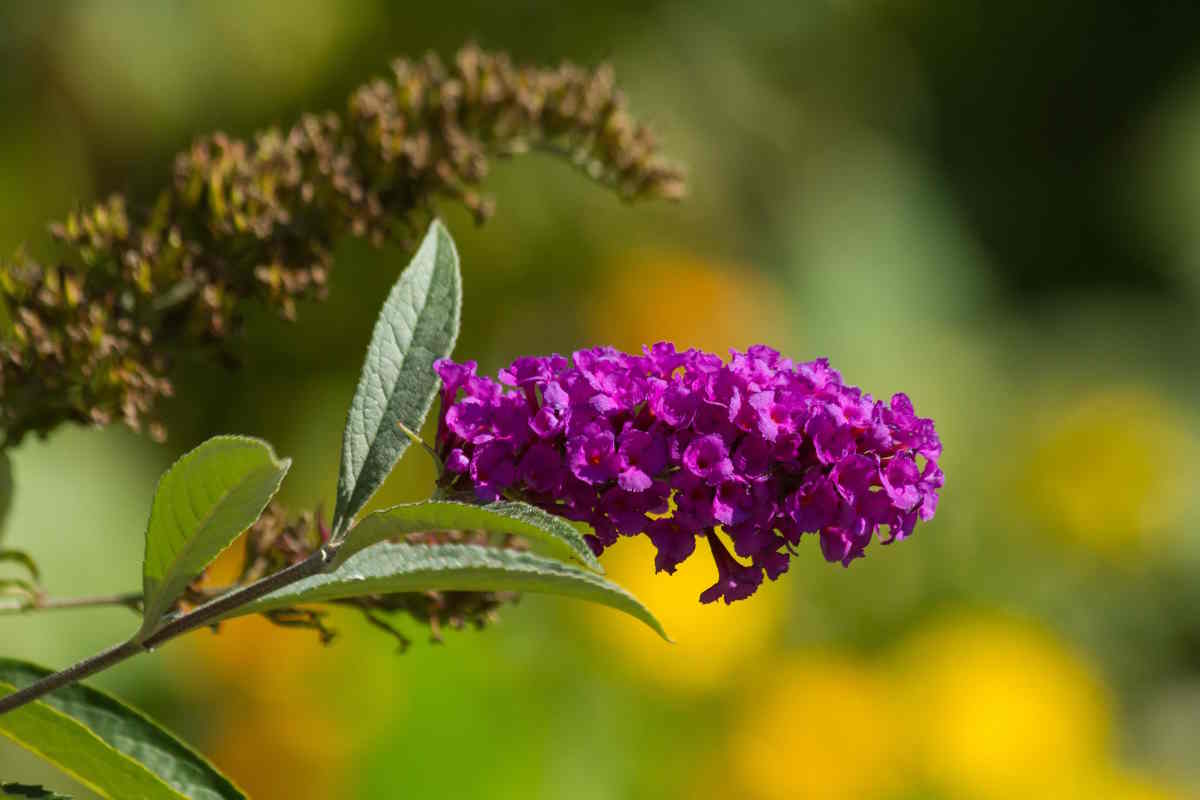
February is the best time to prune the buddleia bush, also known as Buddha rose. It produces its flowers on new growth, so if it is cut hard, just before it starts to grow, you will stimulate new shoots.
If the plant is growing outdoors, it can be cut very hard, leaving only two or three sets of new shoots from the base. However, if growing in a border it is best to prune to two or three feet from the ground so that the new growth does not have to compete with surrounding herbaceous plants for light and air.
Other plants to prune in winter
Fruit trees deserve special attention during the cold season. The apple and pear trees are pruned between January and February, eliminating the branches that grow towards the inside of the foliage to promote air circulation and light penetration. Plum and apricot trees, however, require more delicate intervention, preferably to be carried out at the end of winter when the buds begin to swell, because they are more sensitive to fungal infections.
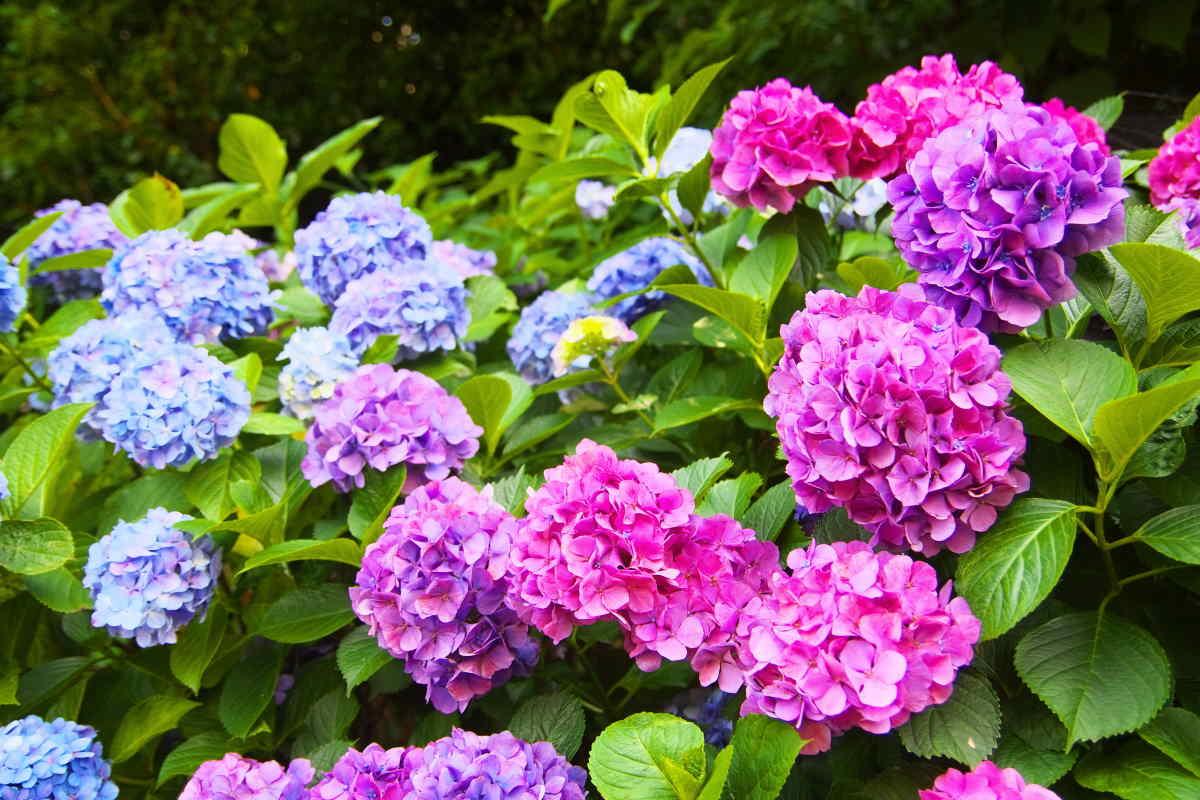
Hydrangeas require different care depending on the variety. Macrophylla hydrangeas, the classic ones with large spherical inflorescences, should be pruned sparingly in March, removing only the withered flowers and old or damaged branches. Hydrangeas paniculata and arborescens, on the other hand, flower on new branches and can be pruned more drastically in February, cutting the previous year’s stems a few centimeters from the ground to stimulate abundant flowering. Wisteria represents a special case because it requires double annual pruning.
The winter intervention, to be carried out between January and February, serves to reduce the long shoots that developed during the summer, shortening them to two or three buds. This preparatory work is essential to obtain generous flowering in spring, because it concentrates the plant’s energy in the production of buds rather than foliage.
When to avoid pruning
Some plants should absolutely not be pruned in winter because it would compromise their spring flowering. Forsythia, which lights up gardens with its yellow flowers in March, produces buds on the previous year’s branches and should be pruned immediately after flowering, never before. The same goes for camellias, magnolias and lilacs, which prepare their buds during summer and autumn to bloom in the first months of the year.
Then there are trees that “cry” profusely if pruned in the wrong period. Birch, maple, and hickory produce copious sap flow when cut in winter or early spring, when sap pressure is at its highest. This loss weakens the plant and makes wounds difficult to heal. For these trees it is preferable to wait until late spring or summer, when the sap flow has stabilized.
You should also avoid pruning during periods of heavy rain or when frost is expected in the following hours. Humidity encourages the development of fungi and bacteria that can penetrate through fresh cuts, while frost damages exposed tissue, slowing healing and opening the door to infection.
What to do with pruning?
The branches resulting from pruning should not be considered simple waste but represent a precious resource for the garden. The thinner branches can be chopped up with a garden shredder to create an excellent mulch to be distributed at the bases of the flowerbeds, which maintains soil moisture, limits the growth of weeds and decomposes slowly, enriching the soil with organic substance. The larger branches, however, can be piled up in a corner of the garden to create natural shelters for useful insects, hedgehogs and small reptiles which help maintain biological balance.
Before proceeding with any pruning between February and April it is essential to carefully check the presence of nests among the branches. Many bird species begin nesting as early as late winter and disturbing or destroying an occupied nest is not only harmful to wildlife but also a breach of environmental protection regulations. If a nest is identified, it is necessary to postpone the pruning of that specific plant until after the chicks have fledged, generally at the end of spring or beginning of summer.
The small woody material finds optimal use in the home composter, where it helps to aerate the pile and balances the nitrogen component of the green waste. However, it is important to alternate layers of woody material with layers of wetter waste and mix periodically to encourage uniform decomposition. Within a few months you will obtain a mature compost to be used as a natural soil improver for flowerbeds and the vegetable garden, thus closing the nutrient cycle without waste or recourse to external products.
You might be interested in:
