
The March 20, 2026at 3.46pm Italian timethe Sun’s rays will fall perpendicular to the Earth’s equator, giving rise to thespring equinoxthe moment when day and night become equal and the summer officially begins in the northern hemisphere. An astronomical event which for ancient civilizations represented the center of a system of beliefs, rites and extraordinarily precise astronomical knowledge.
This is demonstrated by the temples, churches and buildings scattered in the most remote corners of the planet, built by peoples very distant from each other and which, on the days of the equinoxes, come alive with plays of light that are impossible to explain as simple coincidence. Here are five of the most spectacular.
Malta: Mnajdra
The megalithic complex of Mnajdra, on the island of Malta, is among the oldest in Europe. The construction dates back to over five thousand years ago, and it is extraordinary to think back to the authors of the project, those who, ahead of many subsequent civilizations, already possessed excellent astronomical knowledge.
On the days of the equinoxes, the sunlight passes through the entrance of the temple and illuminates exactly the center of the structure, an alignment that allows no margin for error.
Cambodia: Angkor Wat
The great Khmer temple of Angkor Wat, built in the 12th century on the Siem Reap plain, is one of the most photographed monuments in the world. Less known is the fact that its orientation is not at all random. On the occasion of the equinox, the sun rises from the main entrance perfectly above the central tower – the Prang – giving the impression of emerging directly from inside.
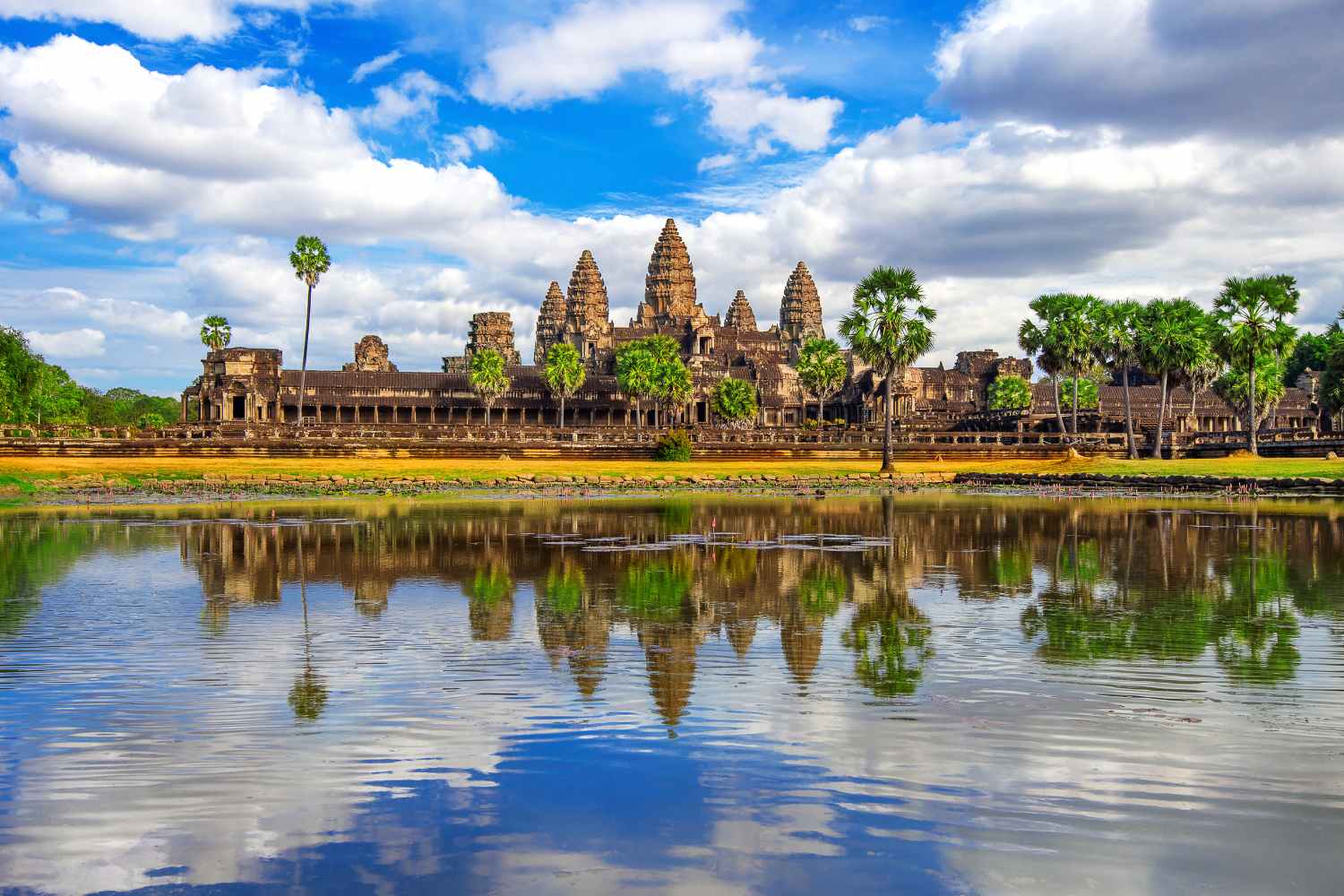
Anyone who witnesses the show, at dawn, in front of the body of water in the moat, understands why tens of thousands of people, every year, decide to wake up in the middle of the night to be there.
Mexico: Chichén Itzá
The Pyramid of Kukulkán, also known as de El Castillois the symbol of the Mayan site of Chichén Itzá, in the Yucatán peninsula. At sunset on the spring and autumn equinoxes, the shadows cast by the steps of the pyramid form a triangular sequence along the northern staircase which simulates the movement of a serpent descending towards the ground.
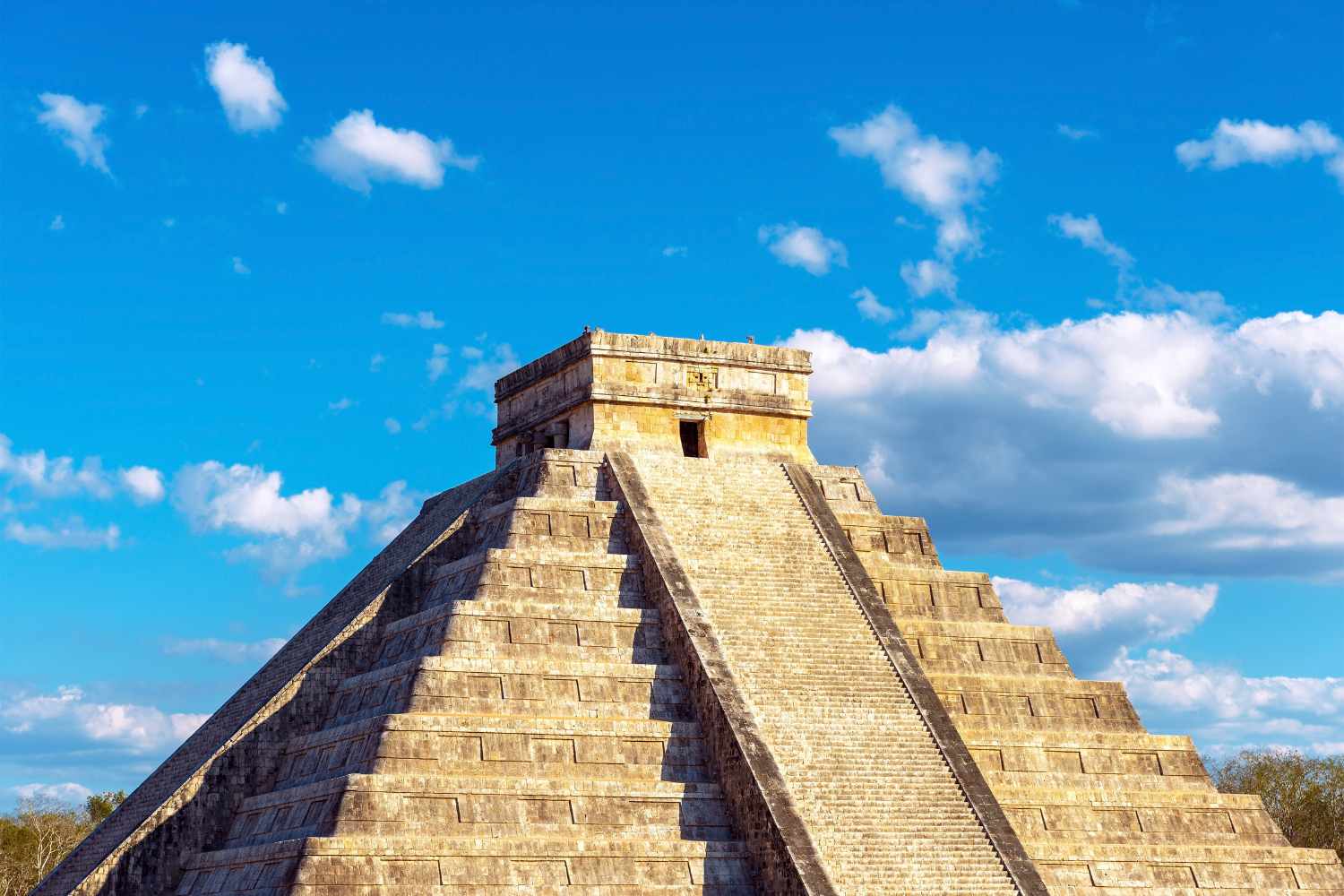
The effect represents the Mayan god Kukulkán, also known as Quetzalcoatl (for the Incas and Toltecs), the feathered serpent, who returns to visit the world of the living. It is not a modern interpretation, since the structure was designed millennia ago for exactly this.
Peru: Machu Picchu
In the heart of the Peruvian Andes, the “Intihuatana Stone” of Machu Picchu is a granite monolith worked with a precision that still puzzles archaeologists today. It is an Inca astronomical instrument: during the equinoxes, at midday, the sun is almost exactly above the stone, reducing the shadow cast to a minimum.
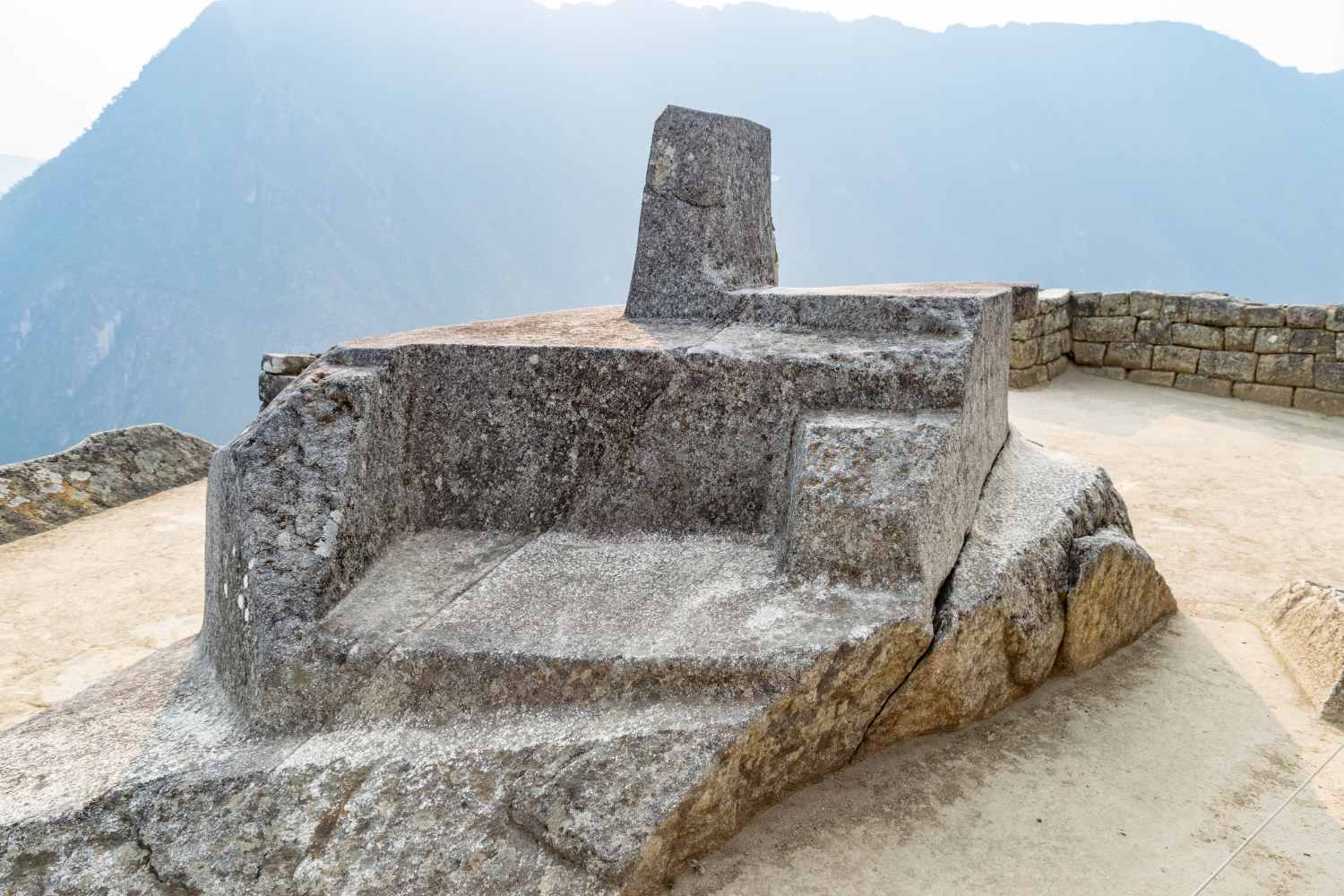
The phenomenon marked the passage of the seasons and probably had both ritual functions and those linked to the management of the agricultural calendar. The name in Quechua, Intihuatanameans “the place where the sun is tied”, a sort of metaphor to witness the act of stopping time.
Sardinia: the sacred well of Santa Cristina
The only Italian site on this list is not a temple in the Greek or Roman sense of the term, but something older and, in some ways, more enigmatic. The sacred well of Santa Cristina, in the territory of Paulilatino in the province of Oristano, is a Nuragic well temple dating back to the Bronze Age, dedicated to the cult of water. Its architecture is of an almost obsessive precision, where a trapezoidal staircase made of lava basalt ashlars leads to the underground chamber, built with perfectly squared stones fitted together without mortar.
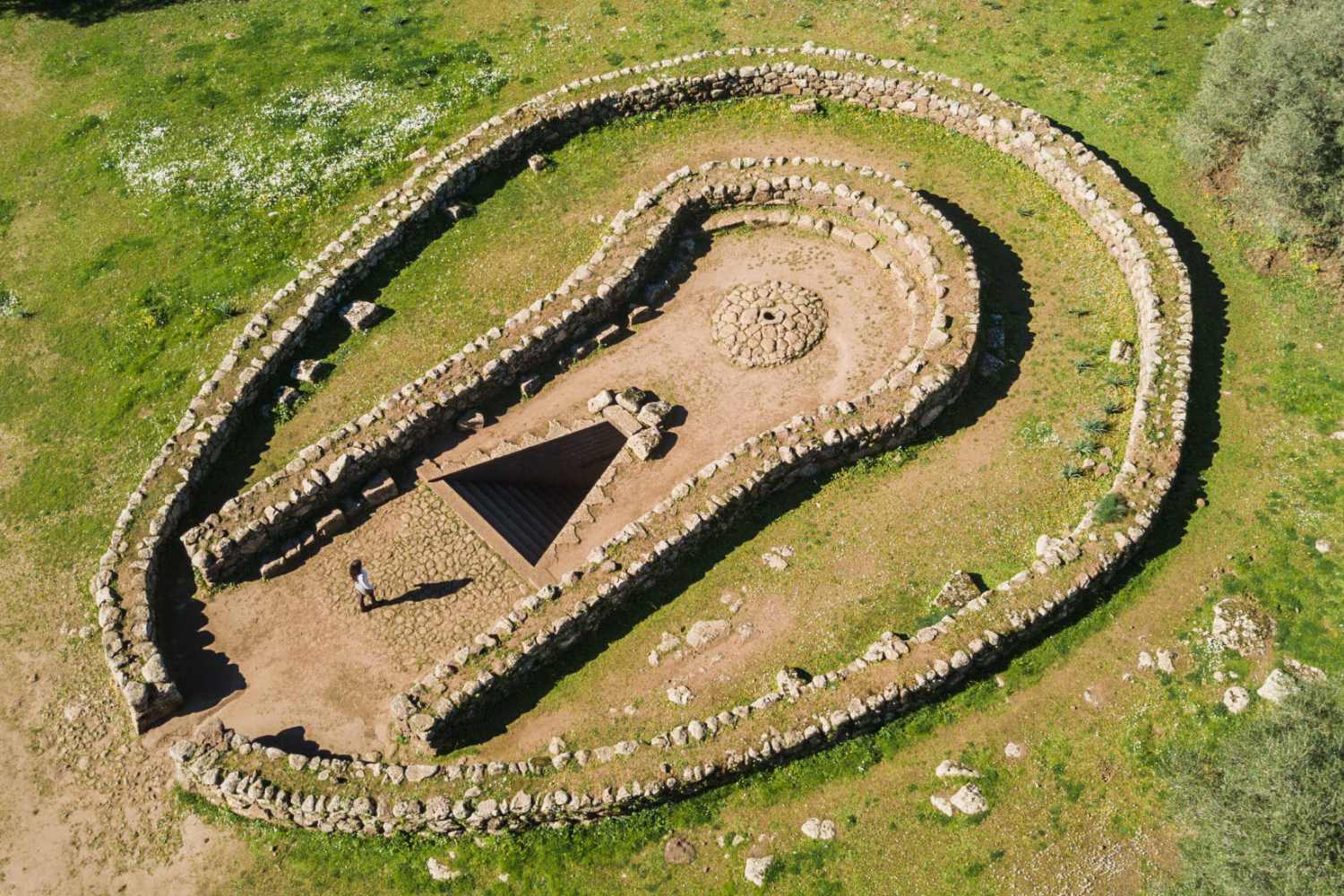
On days close to the equinox, the sun aligns with the circular opening of the well and for a few moments the light descends along the underground chamber until it touches the bottom. It only takes a few seconds, then it disappears. The phenomenon demonstrates an astronomical knowledge of the Nuragic civilization that goes far beyond what textbooks tend to attribute to it.
But there’s more, because the well is also oriented to allow the reflection of the full Moon on the water on the major lunar solstice, a cyclical event that occurs every 18.6 years. The site was, in short, an open-air astronomical observatory – or rather, a closed-air one – capable of calculating both the solar and lunar calendars. The Nuragic people, evidently, were not satisfied.
Happy spring!
