
Incredible but true: the African elephants they make “resources budgets” e plan their travels on the basis of their availability and energy costs. This is demonstrated by a study led byUniversity of Lena (Germany) which opens another door on the knowledge of these wonderful animals and which could provide crucial information to help protect them and theirs habitat.
The elephants are huge herbivores That weigh several tons, for this reason they must consume large quantities of low -calorie vegetation every day. However, their size implies that finding food costs one significant physical effort.
Understanding how elephants move in the landscape is essential for Design effective conservation strategiesalso because – as usual – the fragmentation of the habitat and human activities continue to threaten the populations. But until now, the main factors driving behind the elephants’ movements were not clear.
The results of the work
The analysis showed that Elephants strongly prefer landscapes with lower displacement costswith 94% of the specimens object of the research that avoids steep slopes and accidental soils: this observation suggests that animals are aware of the surrounding environmenttherefore that they are able to make decisions in terms of cost-benefit, choosing the more efficient paths from an energy point of view.
Elephants also actively select areas with one greater productivity of vegetation: 93%, in particular, showed a preference for environments rich in resources, including water, even if individual elephants can respond differently when it comes to water sources, in fact some remain close to the sources, while others move away, showing that their movement choices are more complex than the journey to the river or the closest pond.
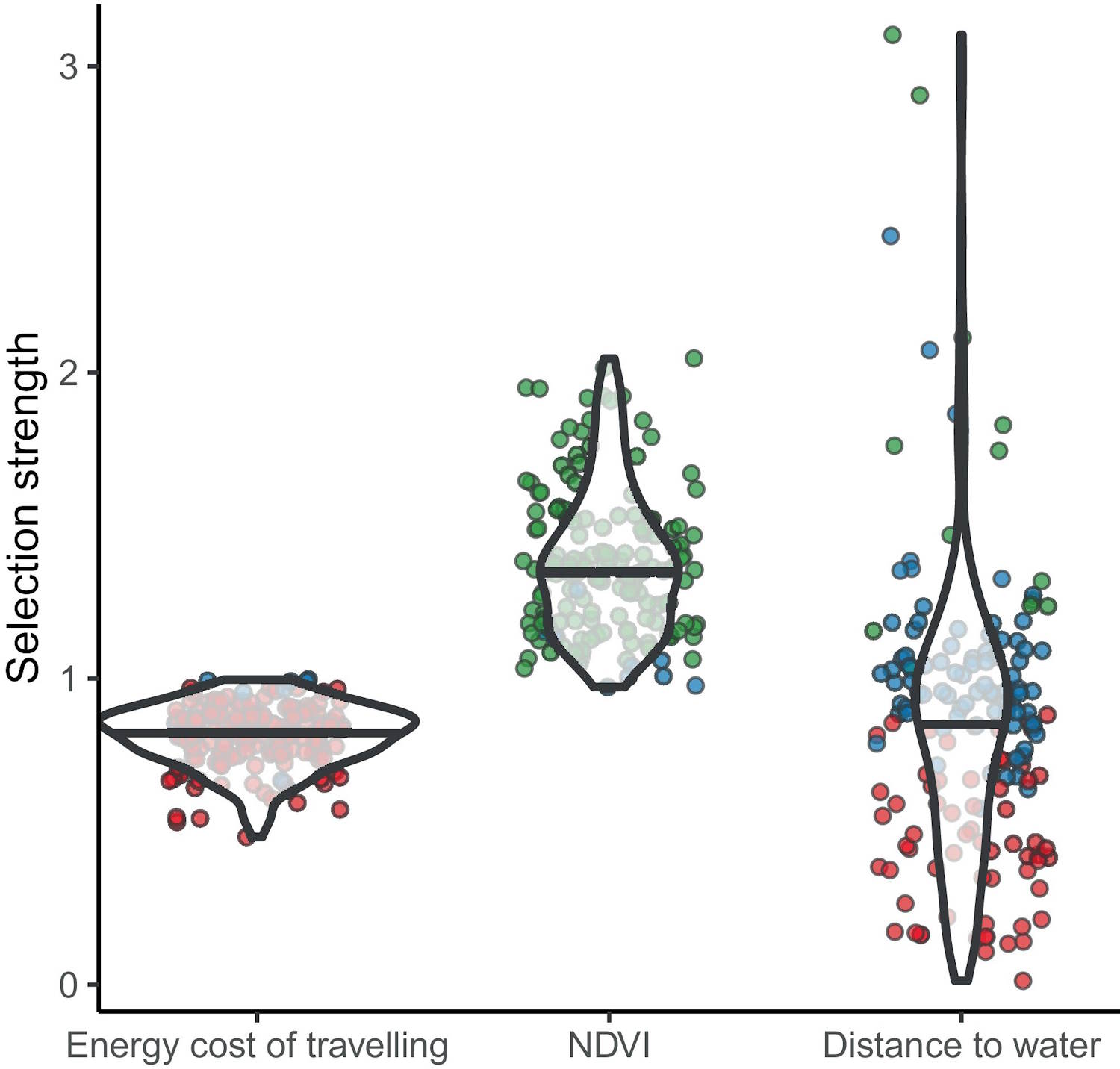
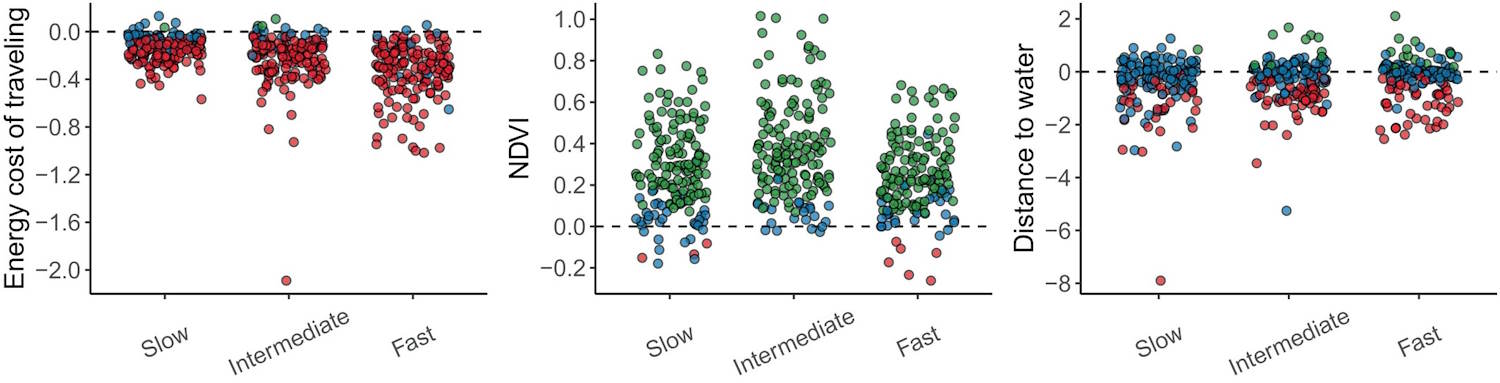
In addition, the elephants who move quickly avoid even more difficult and more expensive soils from an energy point of view: 74% of individuals avoided expensive areas when they moved slowly, a percentage that increased to 87% when moving at intermediate speeds and 93% when moving quickly. This result suggests that Animals closely balance effort and energy efficiencyespecially during long journeys.
Although more detailed research is needed to fully understand how an elephant uses his habitat – explains Fritz Vollrath, co -author of the work – this study identifies a Central decision -making factor for travel elephants: save energy every time it is possible
How the study was carried out
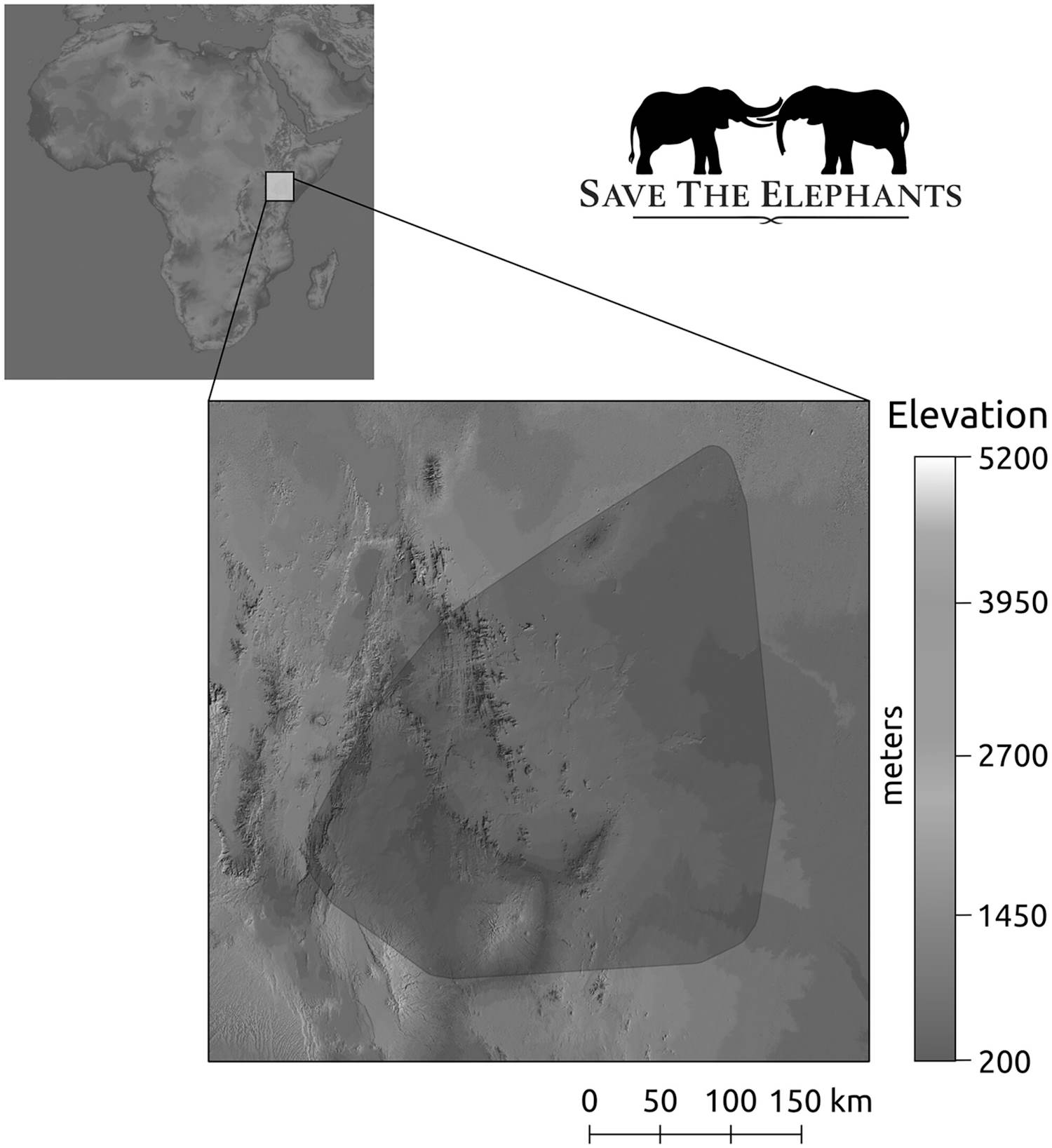
The new used the GPS tracking data of 157 African elephants collected in a period of 22 years (1998-2020) in Kenya northern, collected from ‘Save the elephants‘, a non-profit organization for research and conservation based in Kenya and recorded in United Kingdom.
For the analysis of such data, researchers instead used an innovative modeling method called Enerscapewhich estimates the energy costs of the movement based on the body mass and the slope of the soil.
In particular, integrating these estimates with the satellite data on the productivity of vegetation and on the availability of water, scientists have Built detailed energy landscapes able to explain animal movement decisions.
To trace the conclusions, finally a statistical approach which compares the places that the elephants actually visited with other nearby areas that they could have chosen but did not do. In this way, the researchers have identified which environmental factors play a role in the decisions to move the elephants and in the selection of thehabitat.
The implications and possible applications of the study
These results have Direct applications for the conservation of wildlife And they could help guide the design of protected areas and migration corridors to reduce conflicts with human beings.
However, the study also suggests that conservation strategies should take into account the individual differences In habitat preferences, in particular as regards access to water and could help to predict how elephants’ movements could respond to climate changewhich affects both on the energy costs of the displacement, and on the availability of food and water.
These new results have important iMplications for the evaluation and planning of conservation and restoration measures – In conclusion Emilio Berti, the first author of the research, reports – explicitly taking into account the energy costs of the movement
In the future, the researchers intend to perfect the models of energy landscape by introducing additional factors, such as seasonal changes, human disorders and the impact of climate change on elephant movements.
The work was published on Journal of Animal Ecology.
Sources: University of Lena / Journal of Animal Ecology
