
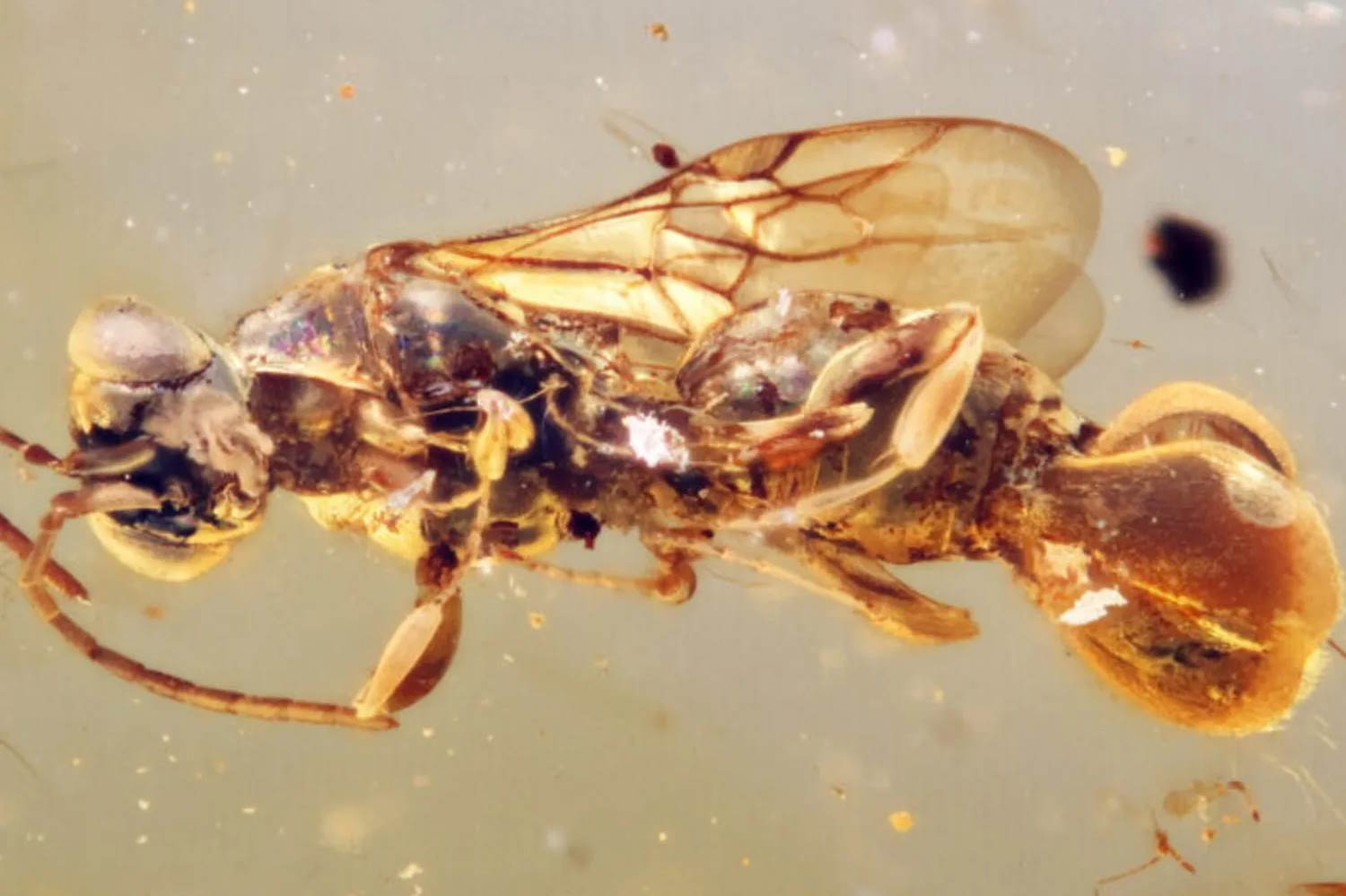
A research group led by Capital Normal University (China) found one prehistoric Vespa trapped in ambra. Which, according to subsequent investigations, belonged to the species SirenoBethylus Charybdis (S. Charybdis), now extinct, belonging to the family of Chrysidoid and that fed on a technique similar to that used by carnivorous plants.
Like other species of wasps, this too was parasite: its larvae, in fact, lived as parasites of guests who in the end killed. This, in particular, dates back to Middle Cretaceousin particular a Almost 99 million years agoand shows an abdomen similar to that of Dionaea, carnivorous plant also called Venus Vecchiappamosche: For this reason, scientists believe that the prey capture and immobilization technique was also similar.
To draw these conclusions, scientists have used the micro-ct scan To analyze 16 female specimens of S. Charybdis preserved in the ambraum, collected in the region of Kachin In the Myanmar northern. In this way they discovered that the species was probably a coinobiontethat is, a parasitoid that allows its guest to continue growing while feeding on it.
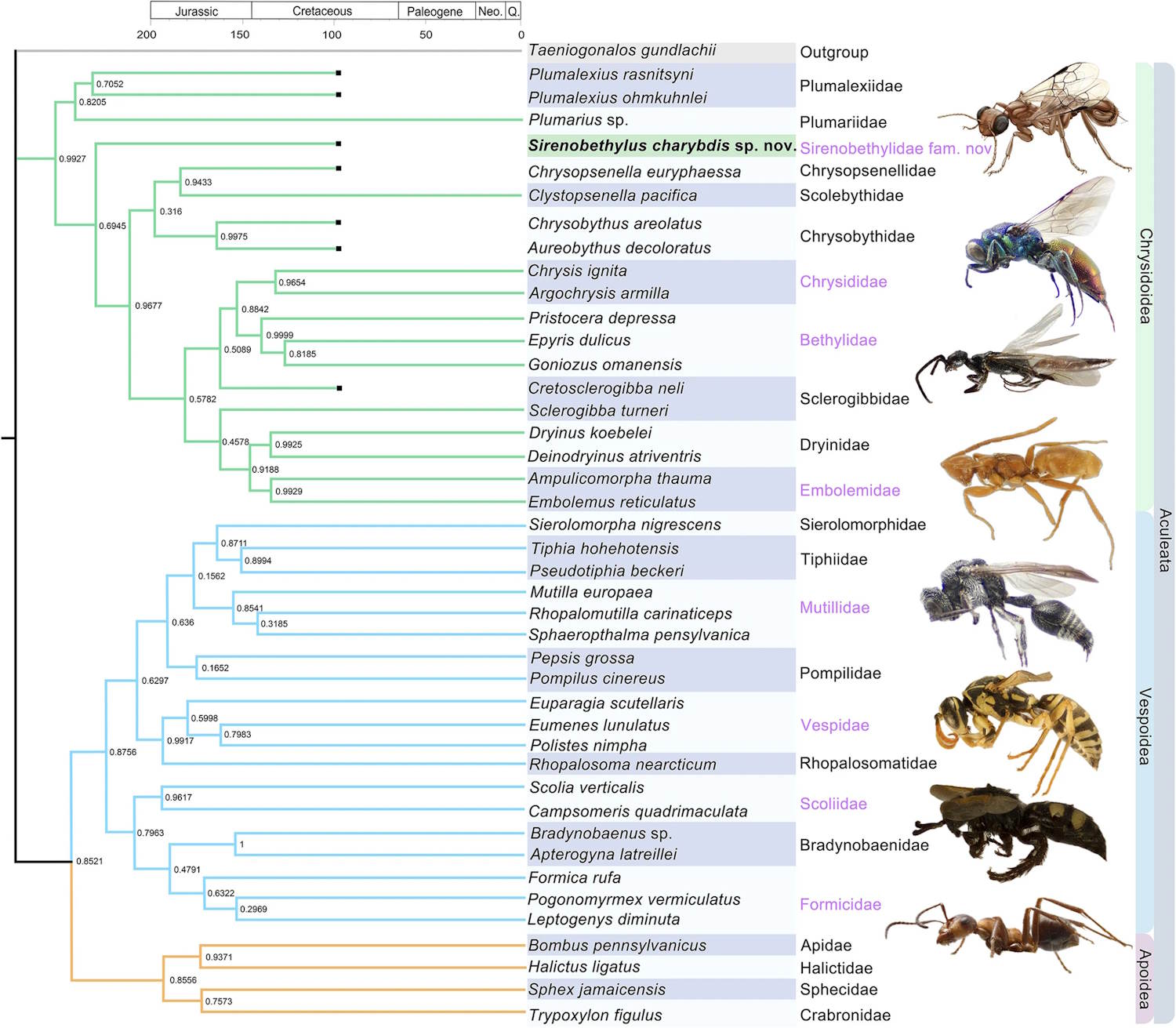
Not only that, also that the Vespa specimens have an abdominal system consisting of three flaps, the lowest of which forms a paddle -shaped structure with a dozen hair similar to hair, which visually recall a Venus Venus Venus.
The authors noticed that the abdominal apparatus of S. Charybdis It is different from that of any known insect and could be served as a mechanism to temporarily retain the guest during the laying of eggs.
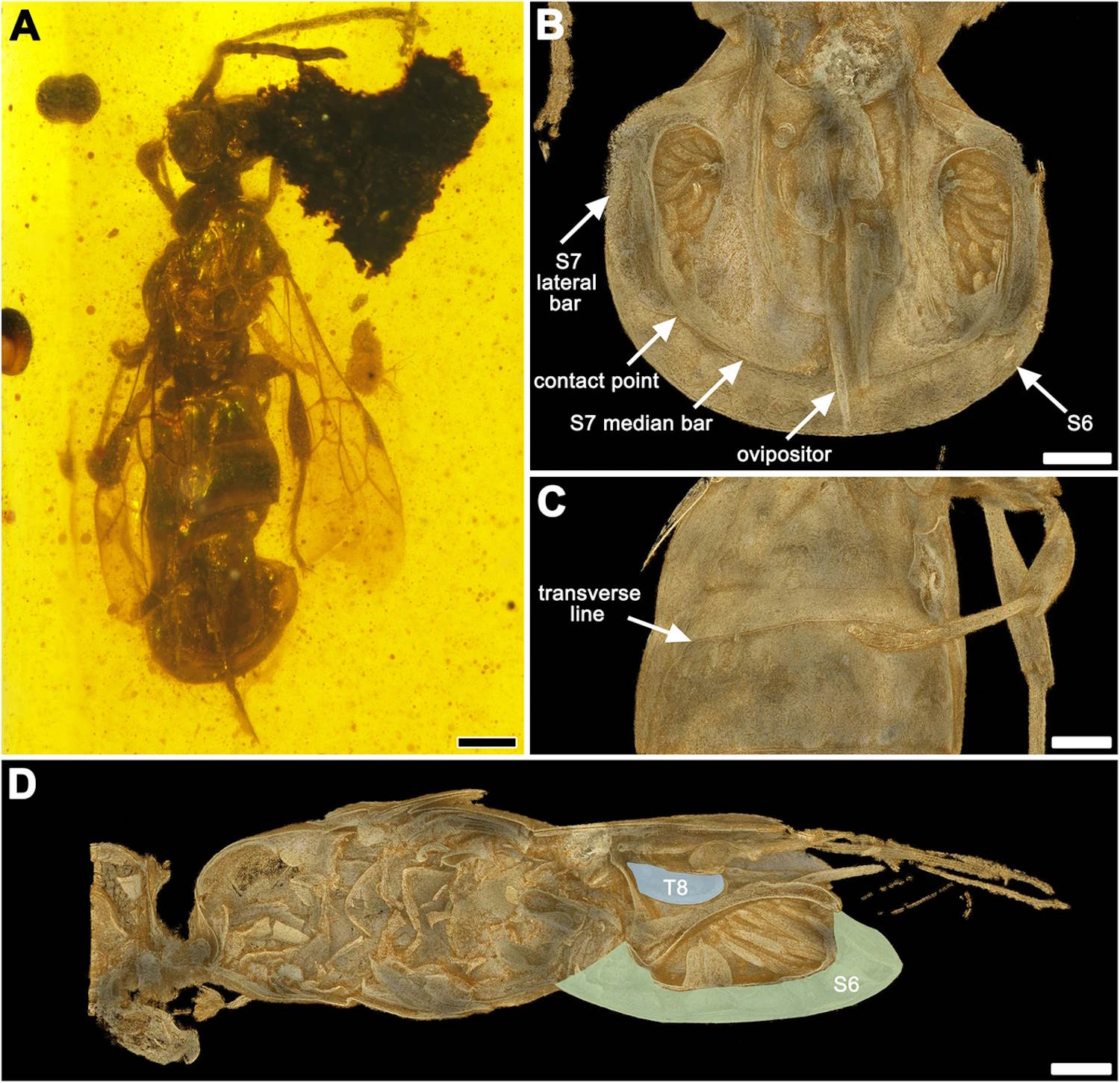
In fact, since the Vespa probably was unable to chase the prey on long distancesprobably was waiting with the open apparatuslike a carnivorous plant, that a potential guest activated his capture response. It is also possible that this socket has allowed S. Charybdis to target prey highly furniture Like small winged insects or jumpers.
The new fossils suggest that the Chrysidoids showed one wider range of parasitoid strategies in the average Cretaceous compared to today
the authors conclude
The work was published on BMC Biology.
Sources: Eurekalert / BMC Biology
