

We discover the Calabrian bergamot, the most expensive citrus in the world, and its “revolutionary” role, which ranges between perfumery and gastronomy.
The Ionian coast of Reggio Calabria has in the cultivation of bergamot (scientific name Citrus Bergamiabelonging to the family of Rutaceous) the most shiny pearl in the area. An citrus as mysterious as precious, which has long conquered the heart of perfume experts. Now, however, it also makes its way on our tables, challenging the lemon monopoly and revealing a truly surprising culinary potential.
Let’s get ready to discover together the thousand virtues of this Calabrian protagonist!
A Mediterranean jewel with an invaluable value
Bergamot has always been a symbol of excellence and tradition. It is therefore not surprising that its economic impact is impressive: along the Ionian coast of Reggio Calabria, the Bergamot chain generates an estimated turnover in 150 billion, mainly thanks to the transformation of the essential oil, an essential ingredient in most world perfumes.
Think about it: almost 75% of the fragrances that smell our lives brings itself a note of bergamot! A fact that underlines its great commercial value, and which also makes us reflect on the cultural and territorial heritage that Calabria can offer to the world.
And if the perfumery was the launching pad for the international fame of this citrus, today Bergamot is also making its way in the world of cuisine. On the other hand, what’s more fascinating than an ingredient capable of combining art and science, tradition and innovation?
The Calabrian pride that conquers the world
Calabrian Bergamot is a real ambassador of a land full of history and traditions. Over the centuries, this fruit has crossed the boundaries, succeeding in the non -trivial enterprise of knowing how to conquer very different palates and environments. It was, for example, the scent of bergamot that broke into the hearts of the French, who adopted him as a base for colony water. Since then, his fame has traveled far away, transforming himself into a symbol of Italy in the world.
Today, Bergamot is no longer satisfied with exalting only fragrances and perfumes. The masters of cooking and pastry are rediscovering it, experimenting with innovative uses both in sweet and savory preparations. Imagine a ricotta flavored by the zest, a pesto or a gently bitterly bitter aftertaste mayonnaise: the bergamot gives each dish that extra touch that makes it unique. And, let’s face it, in a world where tradition often merges with modernity, having an ingredient capable of acting as a bridge between past and future is truly a gem to be underestimated.
Science at the service of taste
For a long time, Bergamot has remained the prerogative of the cosmetic and perfumery sector, relegated to the kitchen to a marginal role. In the 90s, however, the turning point came thanks to a series of scientific studies that highlighted the incredible nutritional and beneficial properties of this citrus. Bergamot, in fact, is very rich in polyphenols and bioflavonoids – substances capable of contrasting chronic inflammation and contributing to the prevention of non -transmissible diseases. With about 370 polyphenols, Bergamot has a property bouquet that no other fruit can equal.
In addition to the beneficial action on the metabolism, the bergamot stands out for the high content of vitamin C and for the presence of specific bioflavonoids, useful for regulating cholesterol levels, triglycerides and blood sugar. Thanks to these qualities, many nutritionists and researchers call it a “functional food”, capable of combining pleasure and well -being. In short, this citrus does not only make our recipes tastier, but it also gives us a health bonus that few other ingredients can boast.
From essences to kitchens: bergamot reinvents
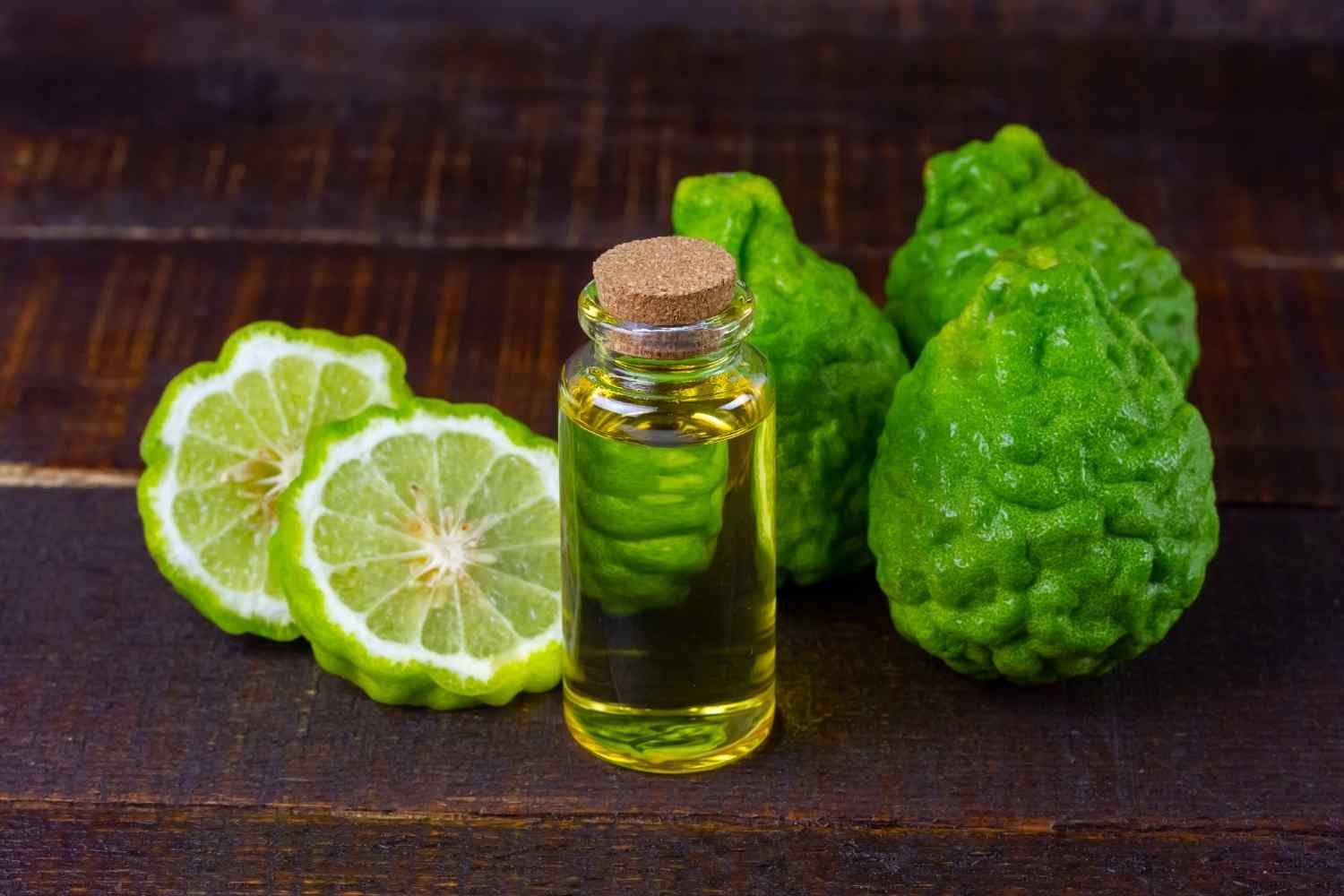
It is no coincidence that Bergamot is going through a real gastronomic revolution. In the kitchen, its use is no longer limited to the decoration of the dishes: today, the juice, the zest and even the pulp become protagonists of bold and original recipes. His acidity, less aggressive than that of lemon, combined with a bitter aftertaste, makes it perfect to enhance both sweet and savory preparations. And if before it was only found as a garnish for some spaghetto, now Bergamot lends itself to creating innovative sauces, aromatic citronettes and marinating that enhance the taste of many dishes.
Just think of the new trends of mixology (the art of preparation of cocktails), where bergamot turns into an artisan soda – the “Bergasoda” – capable of refreshing and delighting even the most demanding palates. Today’s restaurateurs and bartender are embracing this citrus with enthusiasm through different uses, ranging from the preparation of supplements and juices to the creation of sophisticated cocktails. It is as if Bergamot, bearer of a natural versatility, wanted to tell a new story in every dish and in every drink, effectively transforming the way we think of the world of citrus fruits.
Within such a scenario, in which innovation reigns supreme, pastry is also finding an irreplaceable ally in Bergamot. Grandi masters of the cake have already started to propose desserts that range from sorbets and granitis to cakes and leaveneds, in which every shade of this precious citrus is enhanced.
The idea of a “Pastry Bergamot championship”, scheduled during the Bergafest 2025 in Reggio Calabria and proposed by the Greek Igino Massari, is only an example of how the interest in this fruit is growing nationally and internationally.
An event that promises to highlight the creativity of the pastry chefs and further consolidate the reputation of bergamot as a super ingredient.
Recipes and inspirations
As already mentioned above, the charm of Bergamot does not end in its nutritional properties or in its economic impact: it is also and above all an ingredient that stimulates fantasy in the kitchen. Chefs and gastronomy enthusiasts are experiencing unpublished combinations, capable of transforming traditional recipes into real works of art. Think of a ricotta flavored with Bergamot’s zest, ideal for creating light and fragrant desserts, or a pesto in which Bergamot joins the basil to give a touch of originality to the pasta.
For lovers of the most elaborate preparations, bergamot is the secret ingredient to give body to the crews of risotto or to soften wild meats, in which a perfect balance between taste and health takes shape.
A clear example of innovation in the kitchen we find it in the creations that combine bergamot to other typical products of the southern tradition, such as the hoax. In some excellent kitchens, the use of bergamot has made it possible to reinvent iconic dishes, in order to offer a new perspective on the combination of intense and delicate flavors. It is truly surprising to think how an citrus, once reserved for the world of essences, can now turn into a top element for mixology and contemporary gastronomy.
Citrus salad with bergamot and honey
Cut an orange, a grapefruit and half a bergamot into thin slices, eliminating the seeds. Arrange them on a plate and add a few mint leaves and a handful of chopped walnuts. Season with a drizzle of honey, a drop of extra virgin olive oil and a sprinkling of black pepper. Perfect as fresh appetizer or light dessert.
Pasta alla bergamotto with ricotta and walnuts
Cook the short pasta you prefer and drain it al dente. In a bowl mix fresh ricotta with grated peeling peel, a drizzle of oil and a pinch of salt. Add the pasta and mix everything with a little cooking water for a velvety cream. Complete with chopped walnuts and a minced pepper. Simple, aromatic and perfect for a quick lunch.
Bergamot must be protected
The path of Calabrian bergamot is a history of transformation and rediscovery, which testifies how tradition and innovation can go hand in hand. The current challenge for producers and enthusiasts of this citrus is to guarantee adequate protection, so that Bergamot can be recognized not only as a raw material for perfumes, but also as food excellence. The institutions, scientific research and the world of catering are collaborating to give this product a quality brand that certifies its origin and unique properties.
In the meantime, the culture of Bergamot continues to expand, involving consumers, chefs and entrepreneurs in a path of innovation that aims to enhance every aspect of this extraordinary citrus. Who would have thought that a small fruit could enclose such a vast heritage, capable of acting as a bridge between perfumery, health and high cuisine? Yet, every day, Bergamot confirms its super ingredient status, ready to surprise and delight anyone who has the courage to dare new flavors.
