

Between crepe trolleys, merciless and questionable neon musical backgrounds, the supermarket is assimilable to a mined field, made of decisions, temptations and, let’s face it, well -orchestrated pierces. We all fall, even those who boast of drawing up a perfect list and respecting it as if they were a code of honor.
That’s why you need a straightforward guide, who say what we make mistakes every time we cross those sliding doors and how we can get out winners – with the bag full, but also the a little lighter consciousness. Because yes, shopping well is also a gesture of sustainability, and no, you don’t need to be a organic guru to start. Just stop making certain errors.
Go for hungry shopping: the suicide of the list
Who hasn’t fallen at least once? Exit the office or the gym, with the stomach that screams revenge, and you find yourself in the shelves to put everything that has a bright color or an inviting package in the cart. You have in mind to buy bread and vegetables, you return home with Wasabi chips, four snacks of dubious origin and biscuits “for when guests arrive” (which then never arrive).
How to avoid it: Eat something before entering. Even a simple banana or a handful of dried fruit can save you from the trap of impulsive purchase. And, if you really have to chew a chewing gum: it distracts the brain and keeps the desire to buy useless food at bay.
Skip the list (or hurt it)

The list is the compass of the conscious consumer, the guide that allows us to enter the port with the banner. Yet, we often write it quickly, on a corner of paper recovered from the bag, or worse still, we keep it in mind convinced that “I remember everything so much”. Spoiler: We don’t remember anything.
How to avoid it: write the list when you are quiet and full stomach. Divide it by departments: fruit and vegetables, dairy products, home products. So you avoid turning in the round like a hamster and reduce the probability of buying duplicates. And if you want to do things really well, add a symbol close to the products you already have stocks: it will help you not fill the pantry of rice and flour for the next six months.
Get enchanted by the offers “Take 3, pay 2”

The offers are the song of the sirens. They promise you savings, but often lead you to buy more than you need. Three packs of ready -made sauce may seem like a deal, then you use one, the other two expire at the bottom of the sideboard and end up in the dustbin. A shame for the wallet and an insult for the environment.
How to avoid it: before giving in to the offer, ask yourself: would I use it anyway? Would I consume it before the deadline? I have space in the house to keep it well? If only one of these questions answer “no”, leave there. The supermarket does not close tomorrow.
Forget to look at the label (and the price per kilo)

The package deceives. Those biscuits with the word “wholemeal” could contain more sugar than a birthday cake. And the jar of hazelnut cream? Yes, it has two hazelnuts inside, the other winds are replaced by palm oil, sugar and aromas.
How to avoid it: Read the label. You don’t need a degree in chemistry: if the first three voices are sugar, refined oils and thickeners, forget it. And it always checks the price per kilo or liter: it will make you discover that the small format, often, is only a marketing trap.
Ignore seasonality (and zero km)
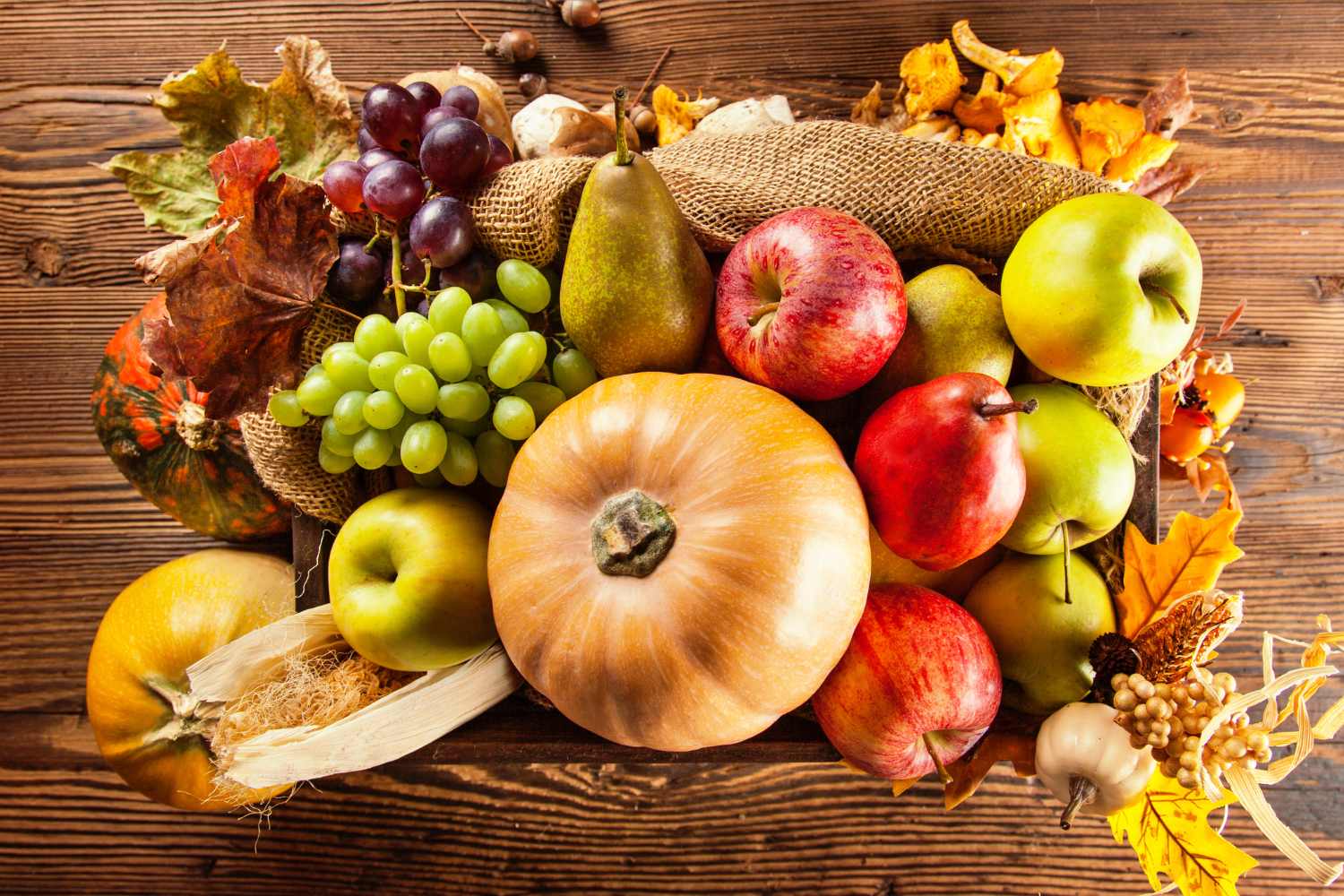
Strawberries in December? Tomatoes in January? They can also have a beautiful color, but as for the flavor … let’s leave it alone. Not to mention the ecological imprint that carry behind: hours of transport, refrigeration cells, energy consumption and waste of resources.
How to avoid it: Buy seasonal fruit and vegetables. It costs less, is tastier and requires less energy to get to the supermarket bench. Better still if you can privilege local products or zero kilometer. Not only will you do good to the environment, but you will also support the small producers of your territory.
A smarter expense is possible
Shopping is a daily act that has direct repercussions on our well -being, on the local economy and the environment. Every choice we make between the shelves is a small declaration of intent: I want to save, I want to eat better, I want to consume more responsible.
You don’t need miracles, just train your critical look a little and take a few more minutes to prepare before leaving the house. In the end, spending well is also a way to love each other. And, let’s face it, return home with the envelope full of useful and good things gives a satisfaction that not even pizza on Saturday evening.
So, the next time you are in the supermarket, remember these five errors and avoid them like the plague, because they deserve an intelligent expense. And maybe, even a bag in reusable fabric on the shoulder.
