

Is sugar the invisible enemy? Discover the effects that excessive sugar consumption has on your body and how to avoid them.
An sachet in the coffee, a teaspoon in yogurt, a biscuit capable of producing the notorious “one another” effect. And then the snack “only for today”, the carbonated drink “one -off”, the ice cream “so much is small”.
How much sugar we really ingest every day, without realizing it? And above all, what happens to our body when the limit – what we don’t even know well – is overcome?
The answer is simple, and together complicated: we like sugar, consoles us and is practically everywhere. The problem is that it acts on us like A small silent sabotagewhich slowly infiltrates our most delicate biological mechanisms, with disastrous results for the general health of the body.
The sweet deception: sugar and brain
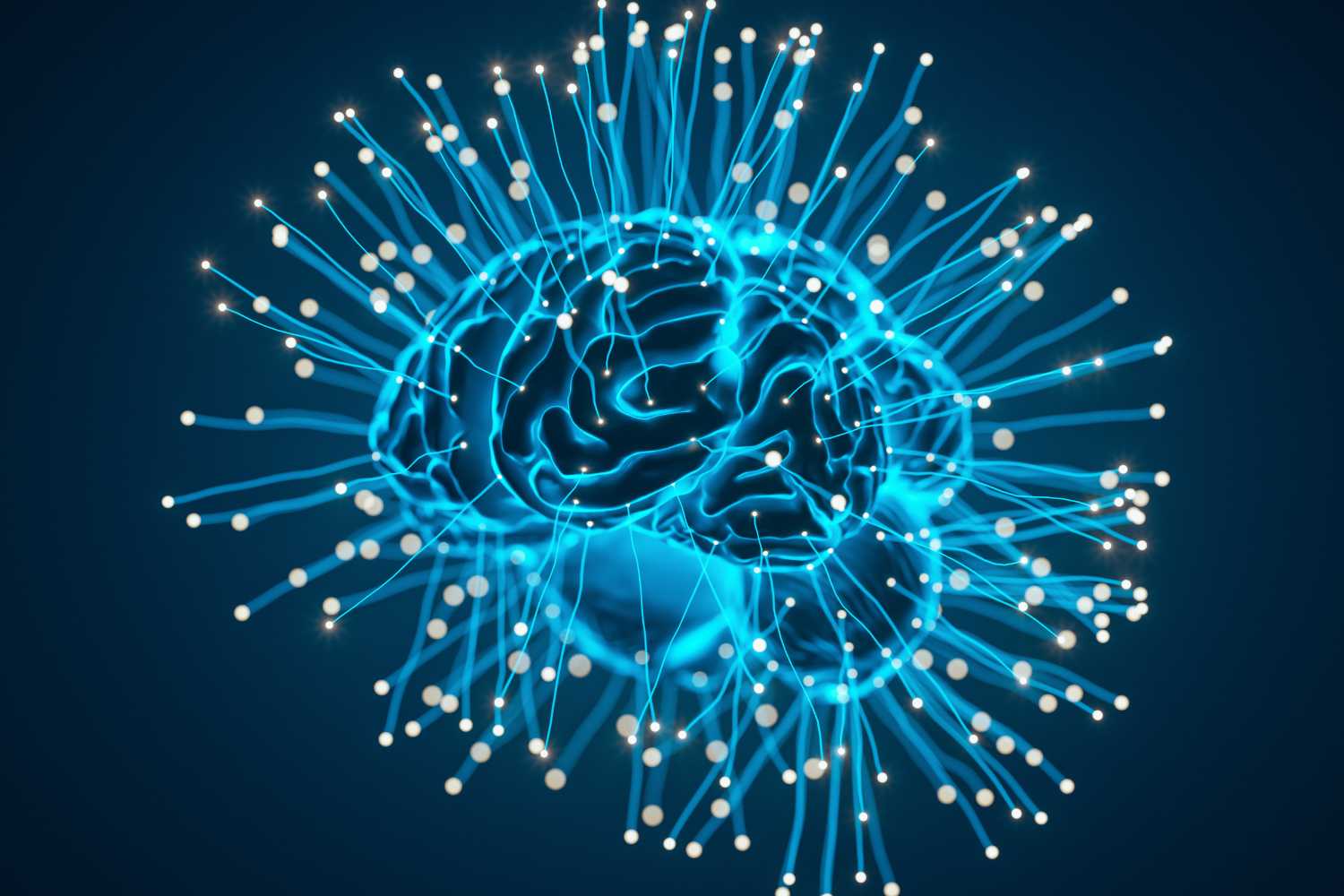
Our brain loves sugar literally. As soon as we ingest it, the reward system is activated: dopamine with rivers, feeling of immediate well -being. It is an archaic mechanism, born to survive, which today plays against us, because sugar is no longer rare, it is no longer a precious source of energy and, as mentioned in preview, is omnipresent.
Scientific studies show how regular intake of ignitions triggers a series of modifications in the areas of the brain related to pleasure and behavior. Result? We want more and more, often without realizing it. It is not a vice, it is almost an addiction, and the problem does not only reside in the brain, but also in the body.
The domino effect in the body

Let’s try to imagine a car, precise and sophisticated. What would happen if we poured sticky, dense, in every gear inside? Something would end up jamming, right?
Excess sugar acts in the same way. Starting from pancreasforced to produce a high amount of insulin to face the glycemic peak. If this happens every now and then, the body manages to compensate, but if it becomes a habit, the balance breaks: you enter a state of chronic inflammation, the door opens to insulin resistance, and the next step could be type 2 diabetes.
Without forgetting the liverthe great processor. Excess sugar, in particular fructose (which is found in many industrial products), is transformed into fat, a fat that accumulates not only where you see – the belly, the hips – but also where you do not see: in the liver itself. Over time, the liver steatosis, the so -called “fatty liver”, can appear, more and more frequent even among the very young.
Heart at risk: sugar and cardiovascular diseases
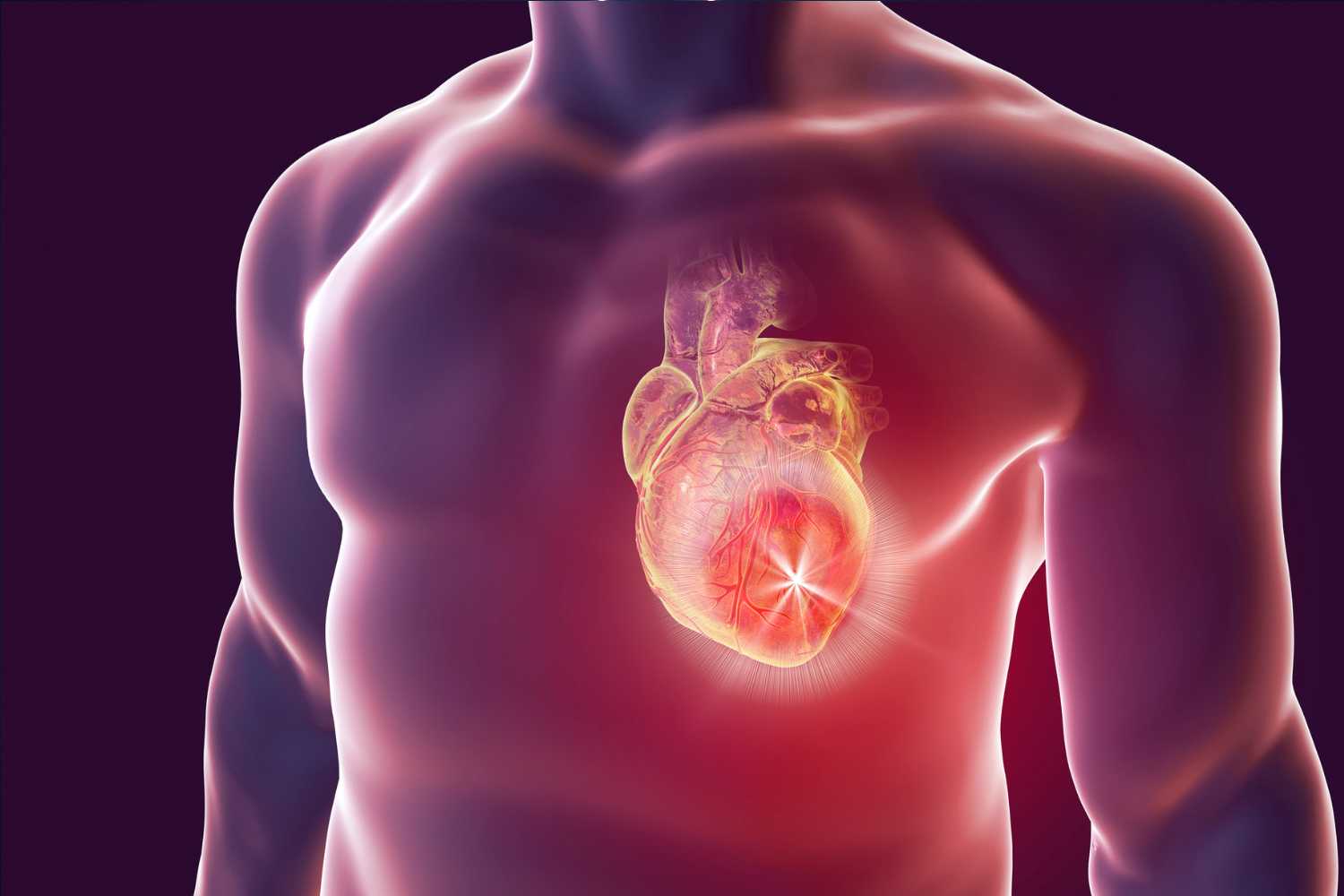
And the Heart? He also pays a salty price for our love for the dessert. A recent study, for example, has shown that the regular intake of sugary drinks is directly connected to the increase in the risk of cardiovascular diseases in middle -aged adults.
We are talking about pathologies such as heart attacks, strokes, hypertension, not of simple colds. The research examined a large international champion and has modeled the data based on the age, the historical period and the generational context. The results are clear: Those who regularly consume sugary drinks have a much higher incidence of cardiovascular events than those who avoid them. And it is not enough to do sports or eat a salad every now and then: if the sugar is a constant in the diet, the damage is silent but concrete.
Swollen belly, swinging energy and … acne

But let’s go back to small daily things. At the tiredness that catches us in the afternoon, tomood that goes down without apparent reason, to the extinguished skin and ai zits That you just can’t explain, because you are no longer 16 years old.
They are all signals sent by the body, often totally ignored, because sugar also has an impact on the intestinal microbiota, aspect that altering the balance between good and bad bacteria. The result can be a swollen belly, a constant sense of exhaustion and increasingly slow digestion. Acne can also worsen, thanks to systemic inflammation and hormonal stimulation linked to insulin.
The paradox of “empty calories”

Sugar provides energy, of course, but an ephemeral energywhich originates a peak, followed by an immediate collapse. It is a bit like turning on a match to heat a room: it does not last long and serves a little. Meanwhile, while it burns quickly, it takes away space for other nutrients, the real ones.
The problem is that sugar does not satisfy. Eat, but you are still hungry. It is the paradox of “empty calories”: many calories, zero benefits. No fiber, no vitamin, no mineral, only “useless” energy.
Read also: the 5 most common signals that sends our body when we take too many sugars
So, should we eliminate everything?
No, this is not the point. Nobody asks you to become a Tibetan monk and completely give up the pleasure of the cake. But be aware Yes, that yes. It means reading labels, knowing that sugar has many names (glucose syrup, steed, sucrose, and whoever has …) and means understanding that sweetness is not always synonymous with pleasure.
The trick? Must re -educate the palategetting used to less intense tastes, and slowly discovering that a mature apple can be surprisingly sweet, that the dark chocolate, the real one, can become a pampering from the feeling of guilt, and that the body feels better – much better – when you really listen to it.
Sugar is not the devil, but it can become it, if we let it take control. Recall that every teaspoon matters, and every choice we make at the table is a message to our body: if we deal with it well, he will reciprocate.
So, next time you want sweets, stop a second. Ask yourself: I’m really hungry, or is it just a habit? The answer, perhaps, will change more than you think.
