
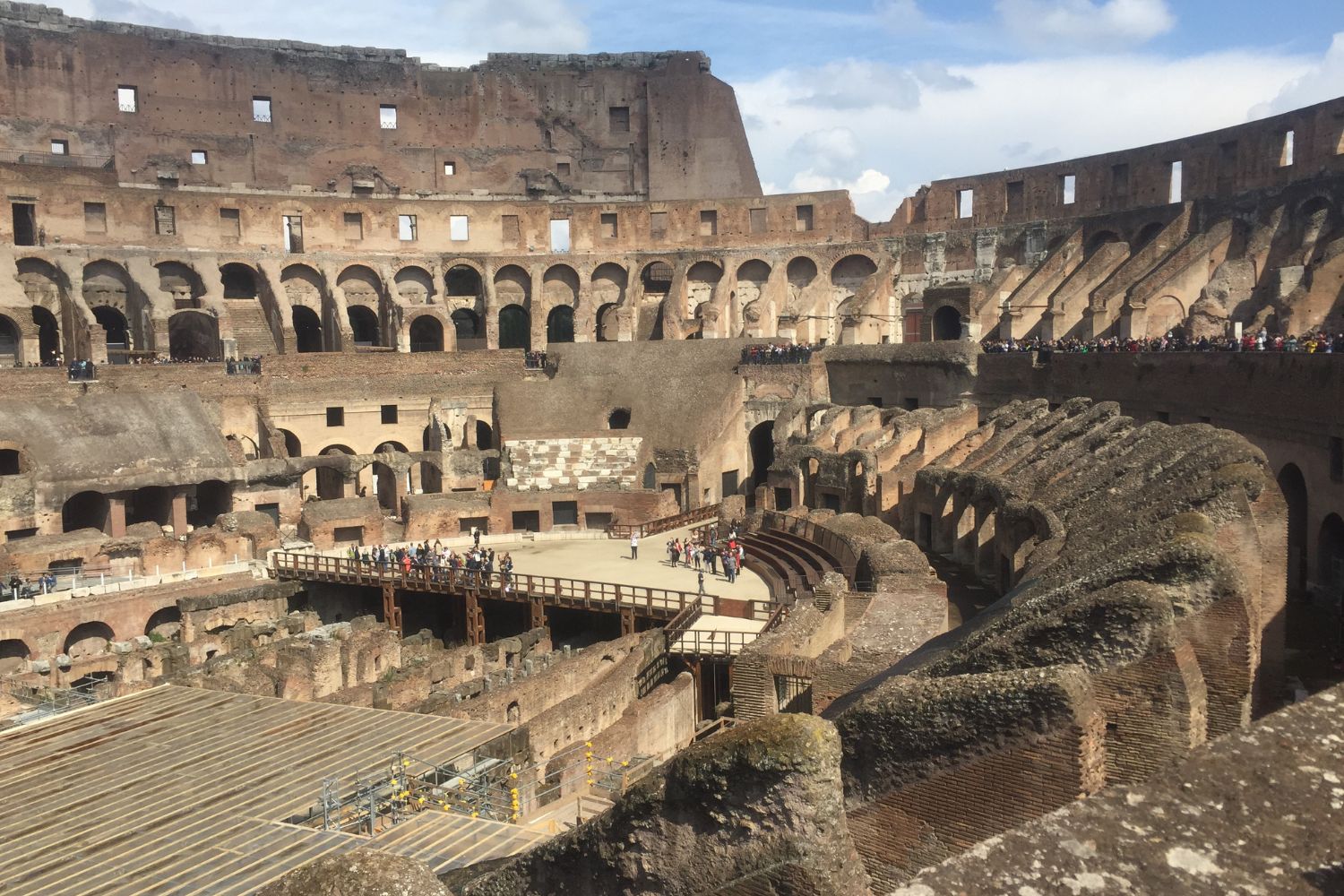
A human victim attacked by his executionerprobably a gladiator attacked by a lion: a revolutionary study led by Maynooth University (Ireland) led to light the First physical test of fighting between man-animal gladiators in Roman times.
For some time images of gladiators bites from lions are appeared in ancient mosaics and ceramics. Among other things in the heart of British Museum there is a marble relief showing two gladiatric in combat. And the registration on the relief, found a Halicarnassoin Türkiye, It tells that the fighters reached an honorable draw.
But this search appears completely innovative because it presents skeletal evidence convincing of a human victim attacked by a large carnivorous animal. That is, the first physical discovery that demonstrates the death of the human being on behalf of the great carnivorous animal.
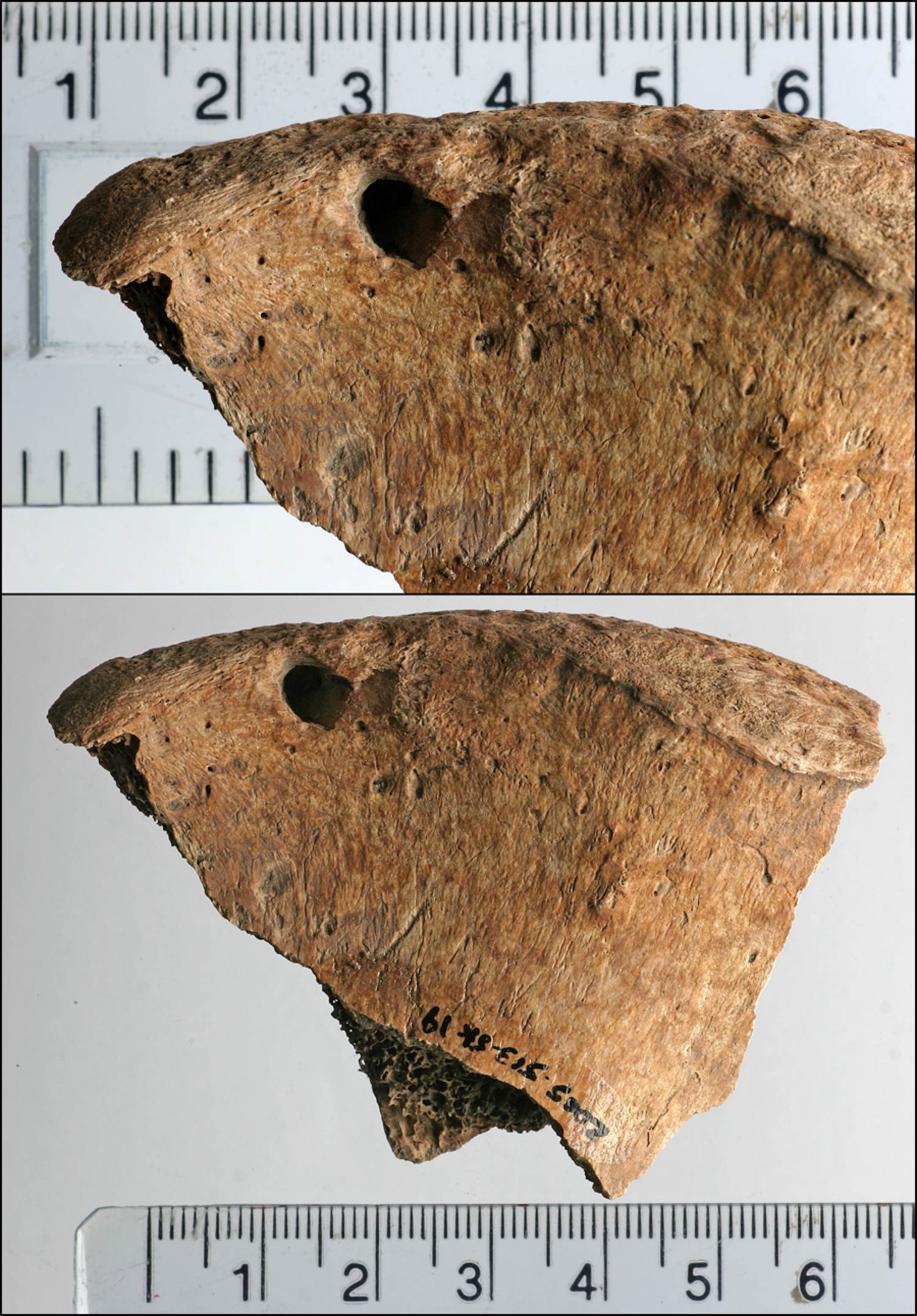
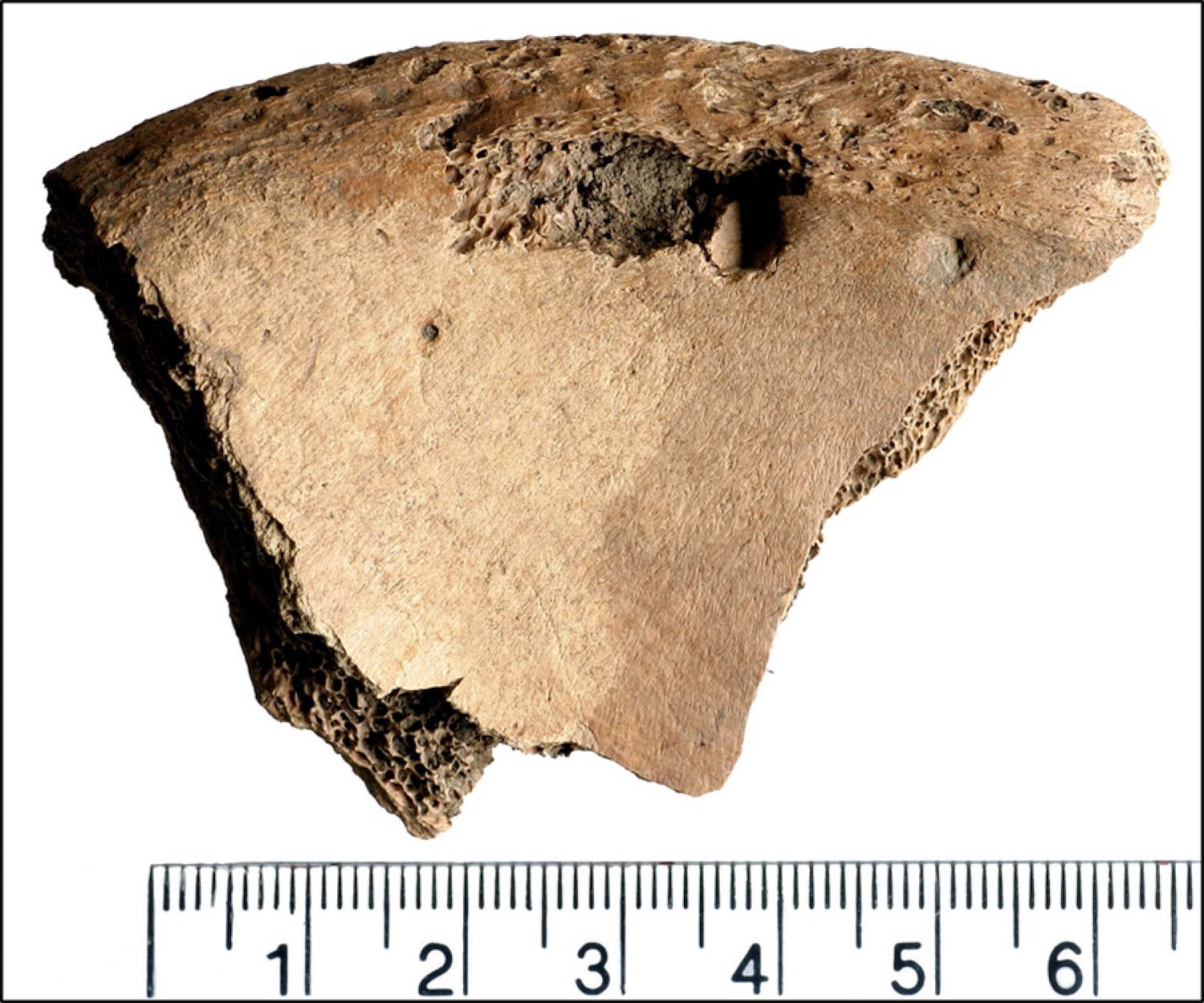
The results focus on a single skeleton discovered in a Roman cemetery near Yorkin England, a site already known to host remains of gladiators: the individual’s bones presented distinct injuries which, at a careful examination and comparison with modern zoological specimens, have been identified as Signs of bites of a great feline species.
The signs on the pelvis, in particular, represent the first osteological confirmation human interaction with great carnivores in a combat or entertainment context in the Roman world.
For years, our understanding of Roman gladiators and animal shows was largely based on historical texts and artistic representations – explains Tim Thompson, the first author of the work – this discovery provides the first direct and concrete test that these events took place in this period, remodeling our perception of the culture of Roman entertainment in the region
The study in general contributes to one New vital dimension to our knowledge of Roman Britanniastrengthening the profound link of the Region with the traditions of entertainment of the Empire: these discoveries also open new research perspectives on the presence of exotic animals in Roman Britain In addition to the life of those who were involved in gladiators’ fights.
The work was published on Plos One.
Sources: Maynooth University / Maynooth University / YouTube / Plos One
