
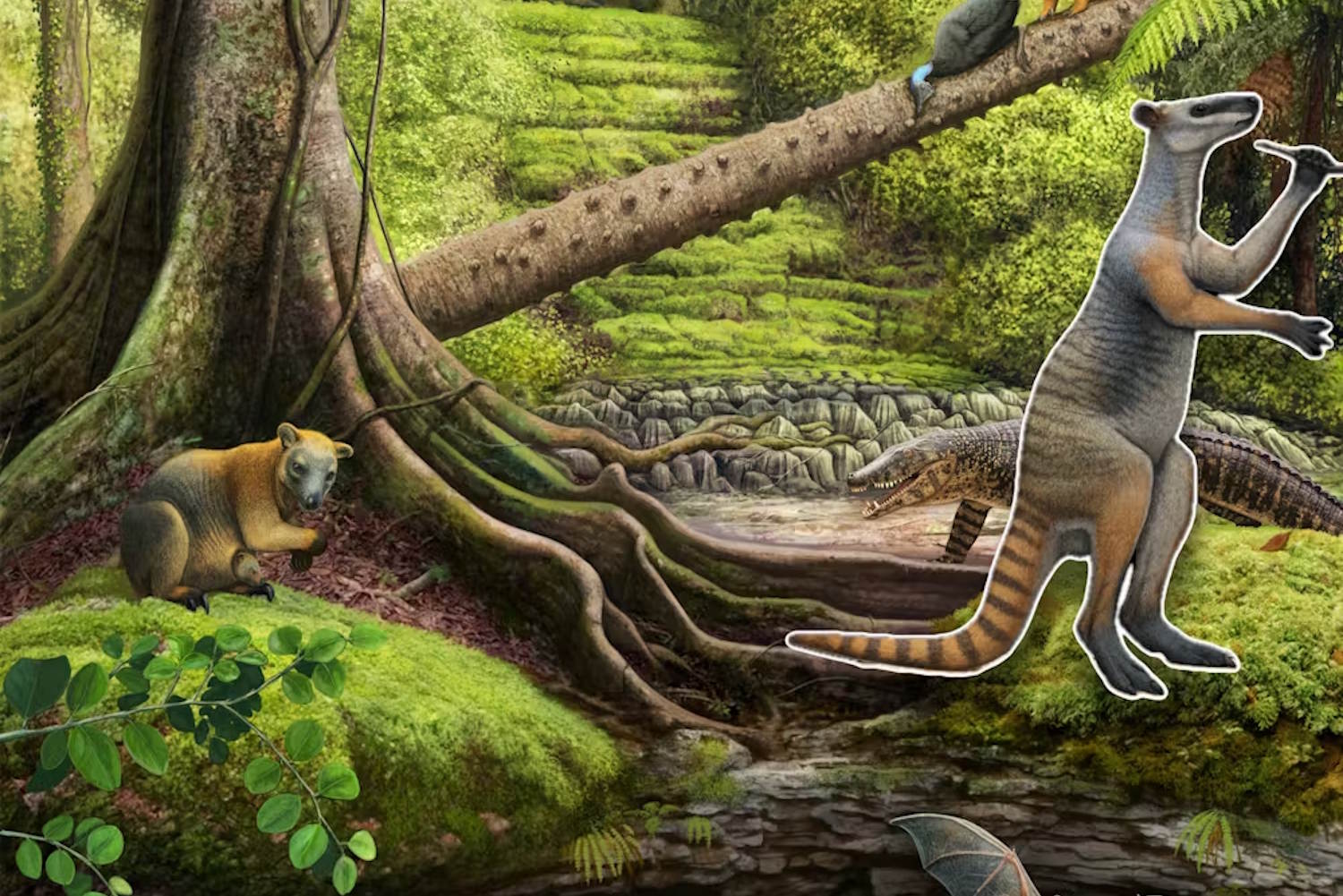
Living in small domestic habitats It was not a “big idea” for i Australian giant kangarooslived in prehistory. In fact i climate change of the time literally destroyed these habitats, making their survival impossible. A research group led by theUniversity of Wollongg (Australia).
In large herbivorous mammals, the largest body dimensions are often related to a habitat wider domestic, but perhaps it was not so for the Extinct Australian Megaerbivores: to get to this conclusion, the researchers used fossil data to identify the habitat preferred by this species, in particular of the giant kangaroo Protamnodonand its implications for the extinction of the species.
The study was conducted by analyzing the Strike isotopes in the fossilized teeth of animalsknown to reflect the geology of the region in which they feed
These new isotopic techniques have widened the doors to our field – explains Scott Hocknull, who led the research group – imagine the Ancient GPS locators: We can use fossils to trace individuals and know where they moved, what they ate, with those who lived and how they died. Is the Big Brother of Paleozoo
For this work, in particular, those found in ancient rainforest deposits at the Etna cavesIn the Central Queenslandfinding one correspondence only with local limestonesrather than with distant rock formations.
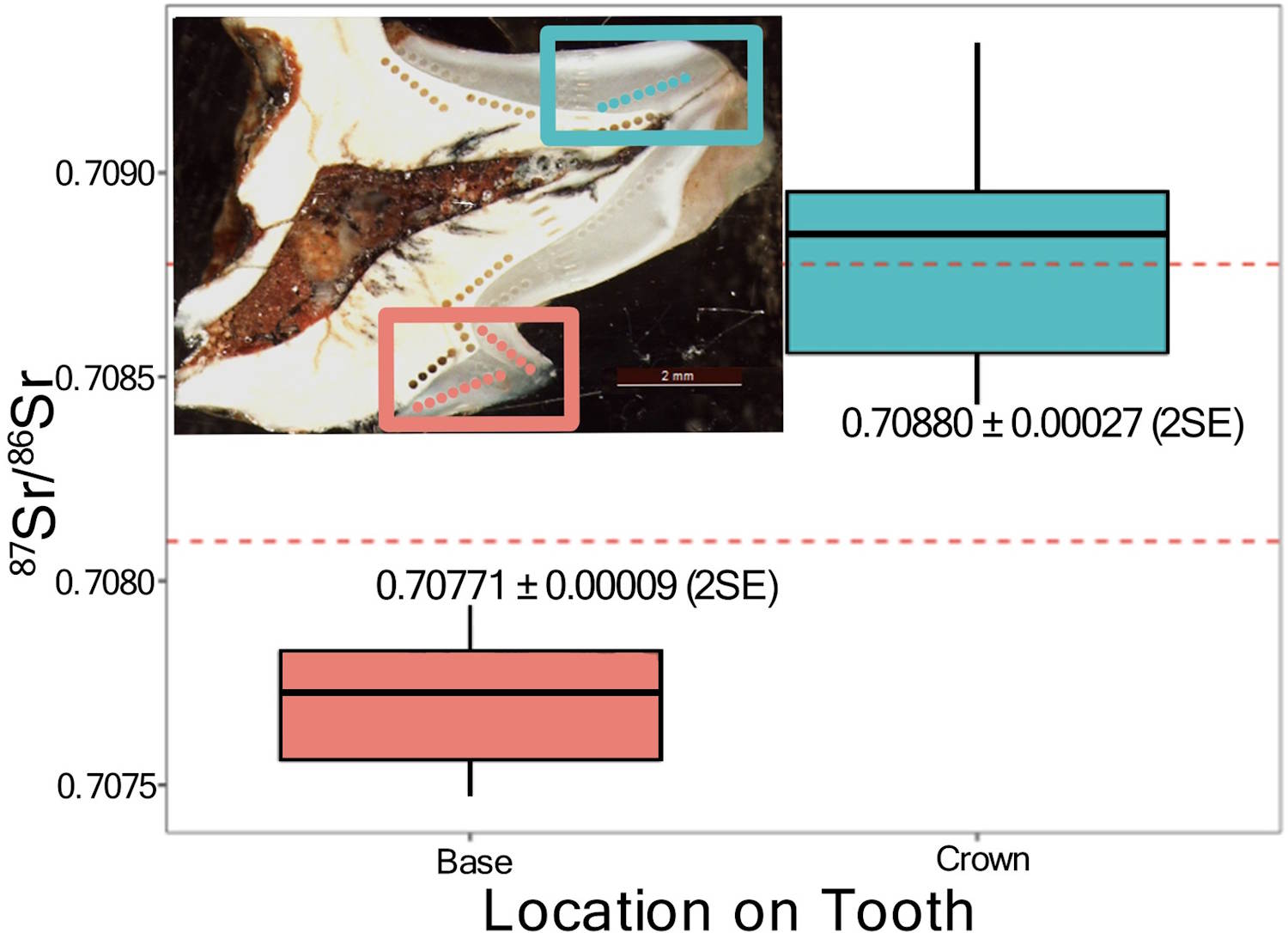
This implies that Protamnodon had a much smaller puncture site of what you might expect according to the body size, estimated up to 170 kilograms.
On the other hand, it was already known as the kangaroo because of its large size and body conformation, which in turn may have limited its ability to move.
Furthermore, according to the researchers, a habitat of stable and luxuriant rainforest probably provided enough food not to make a further movement necessary.
But when one growing aridity induced by climate change who upset this ambient forest environment about 280,000 years ago, the reduced areas of puncture may have prevented Protamnodon to find more green pastures, leading to his Local extinction.
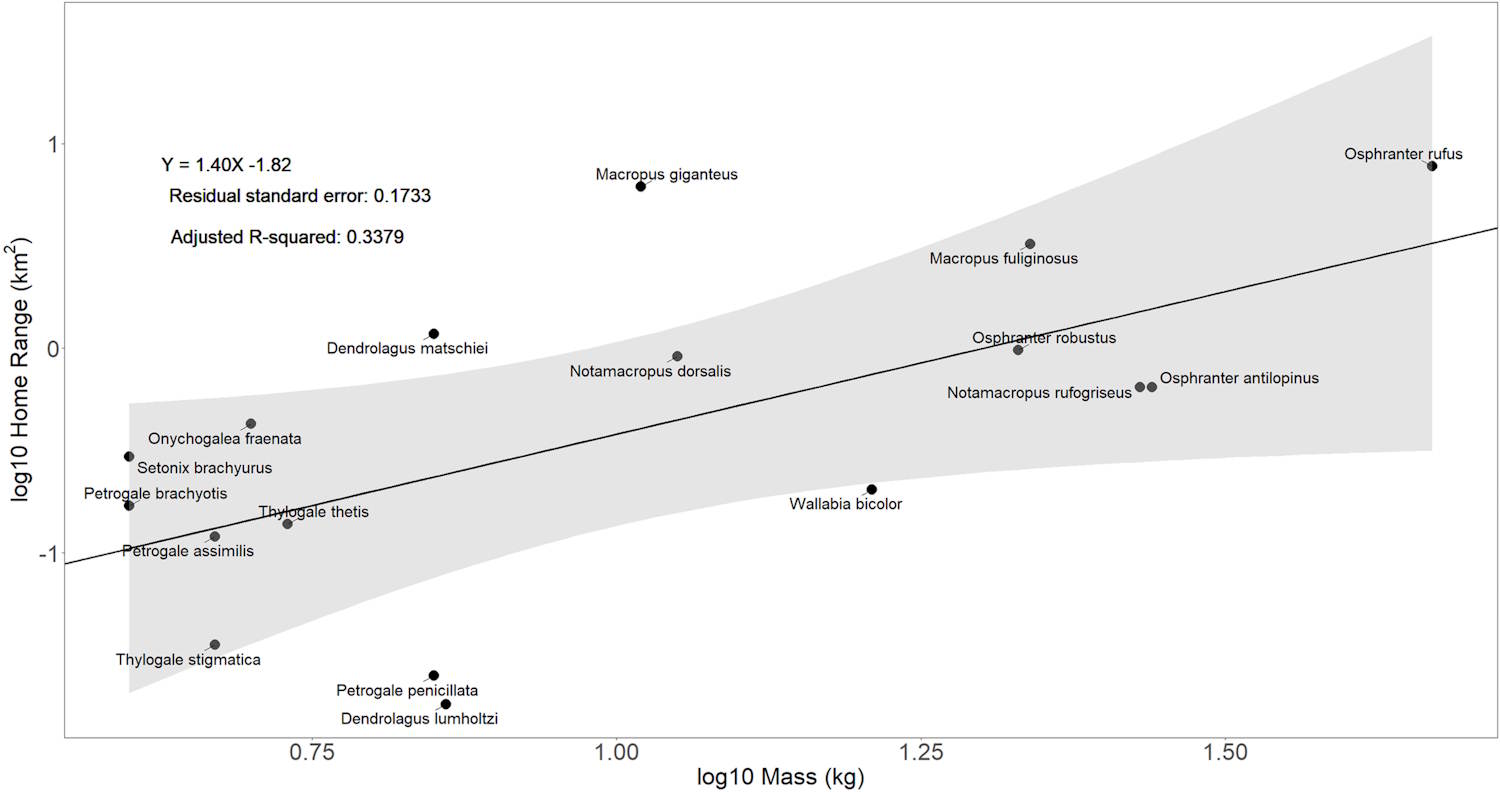
Using the data of modern kangaroos, we provided that these extinct giant kangaroos would have much wider home range – explains Chris Laurikainen Gaet, co -author of the research – we were amazed to discover that, with sites that reflect those of the species of smaller modern kangaroos
The work was published on Plos One.
Sources: Eurekalert / The Conversation / Plos One
