
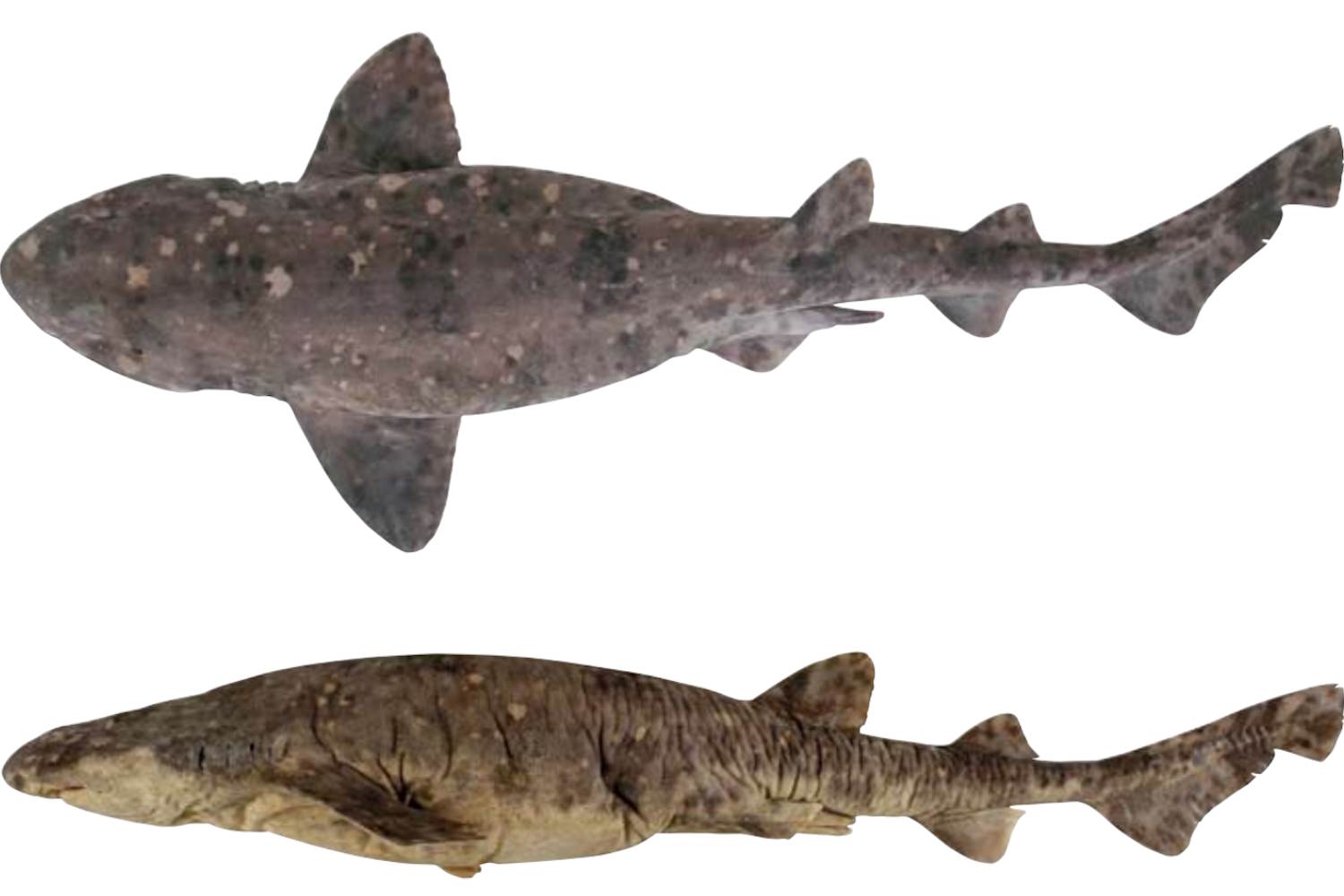
A shark belonging to the species Cephalostyllium Pictum was identified live during an exploration of the seabed of Timor Lestein Southeast Asia, at a depth of over 200 meters. The nice blow for the biodiversity is the work of a research group led by Pacific Shark Research Center from the San Jose State University (USA).
The submarine investigation was conducted using Low cost depth cameras developed by National Geographic Society Exploration Technology Lab And which have already allowed explorations and identifications in the past, first more difficult and expensive.
Cephalostyllium Pictum was described in 2008 starting from five specimens collected in the fish markets of Lombok And Baliin Indonesia. Four of the five specimens were collected in 2002, while the fifth was collected at the landing site of Tanjung Luar to Lombok on 12 July 2004.
To our knowledge this species is not never been observed in nature And little is known about its ecology, habitat or behavior – the authors write – on 17 and 18 November 2024 our deep cameras have filmed this species in two sites off the coast of Dili, Timor Est, at a depth of 570 and 536 m. The habitat on both sites consisted of steep rocky slopes. In each site, the shark returned to Quite recently and, in the second case, the female interacted with the bait and took several steps in front of the camera. It is a new record For the species to Timor Leste and ne extends the well -known area of over 1,100 km
In fact, although sharks and breeds are protected in the country, the information on their diversity and distribution is scarceespecially for depth species, also because of technical difficulties.
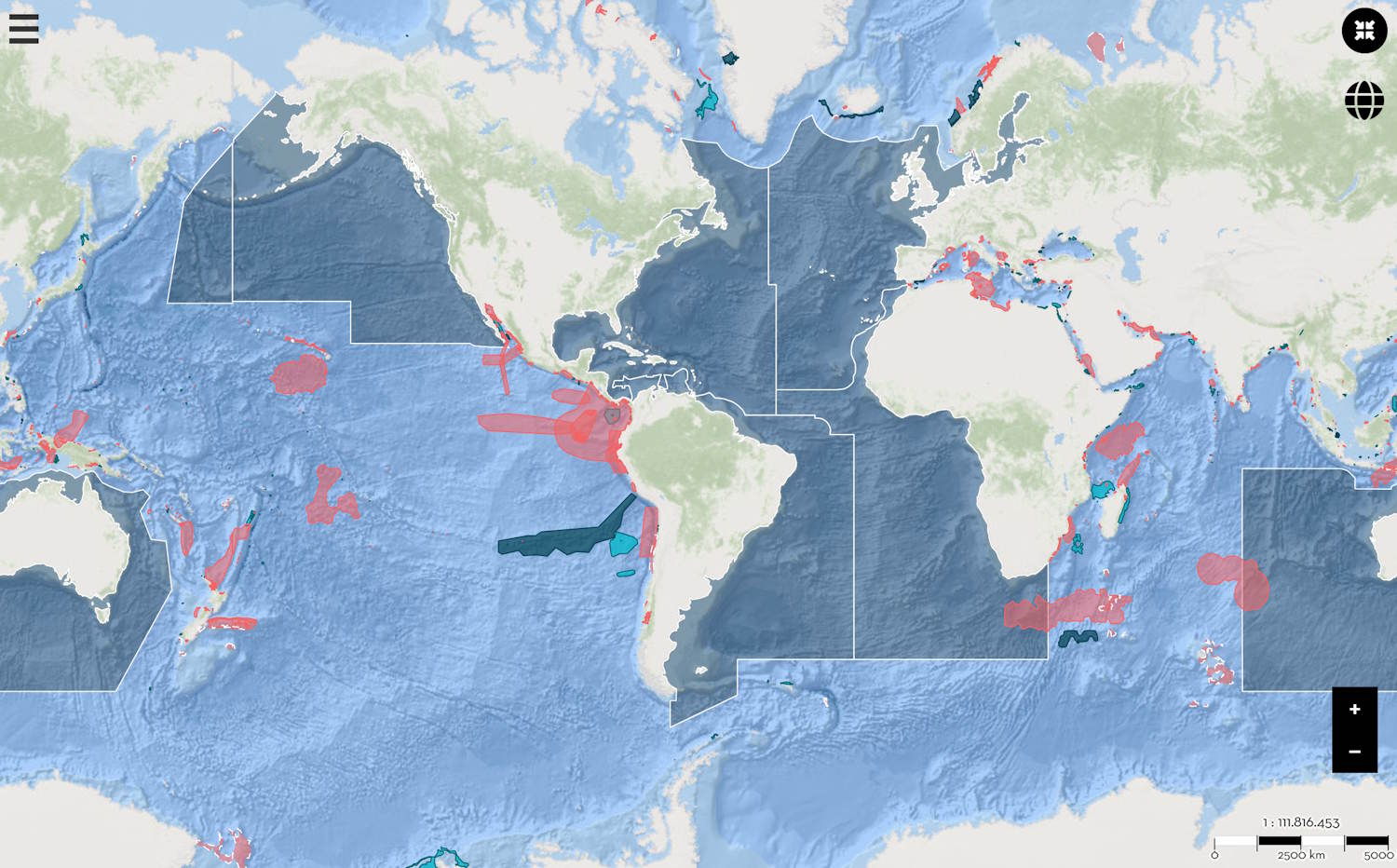
To be honest, the group of specialists on the sharks of the Commission for the survival of species recently of the International Union for Conservation of Nature (IUCN) has identified four important areas for sharks and races along the northern coast of Timor Leste on the basis of underwater observations.
However – the researchers specify – the Search in situ It is essential to get information on conservation, especially for species of deep water where underwater observations are not possible
Precisely for very lacking scientific data, Cephalostyllium Pictum And classified as the date Deficient in the Red List of the IUCN
And this, in itself, makes the species ‘threatened’, from which its insertion in the Red List.
The discovery of the marsh shark painted off Timor Est highlights the importance of modern and economic technologies to study marine depths e locate these lost sharks before they disappear
The research is part of the program Lost Sharks of the Pacific Shark Research Center and was published on Oryx.
Source: Cambridge University Press / Oryx
