
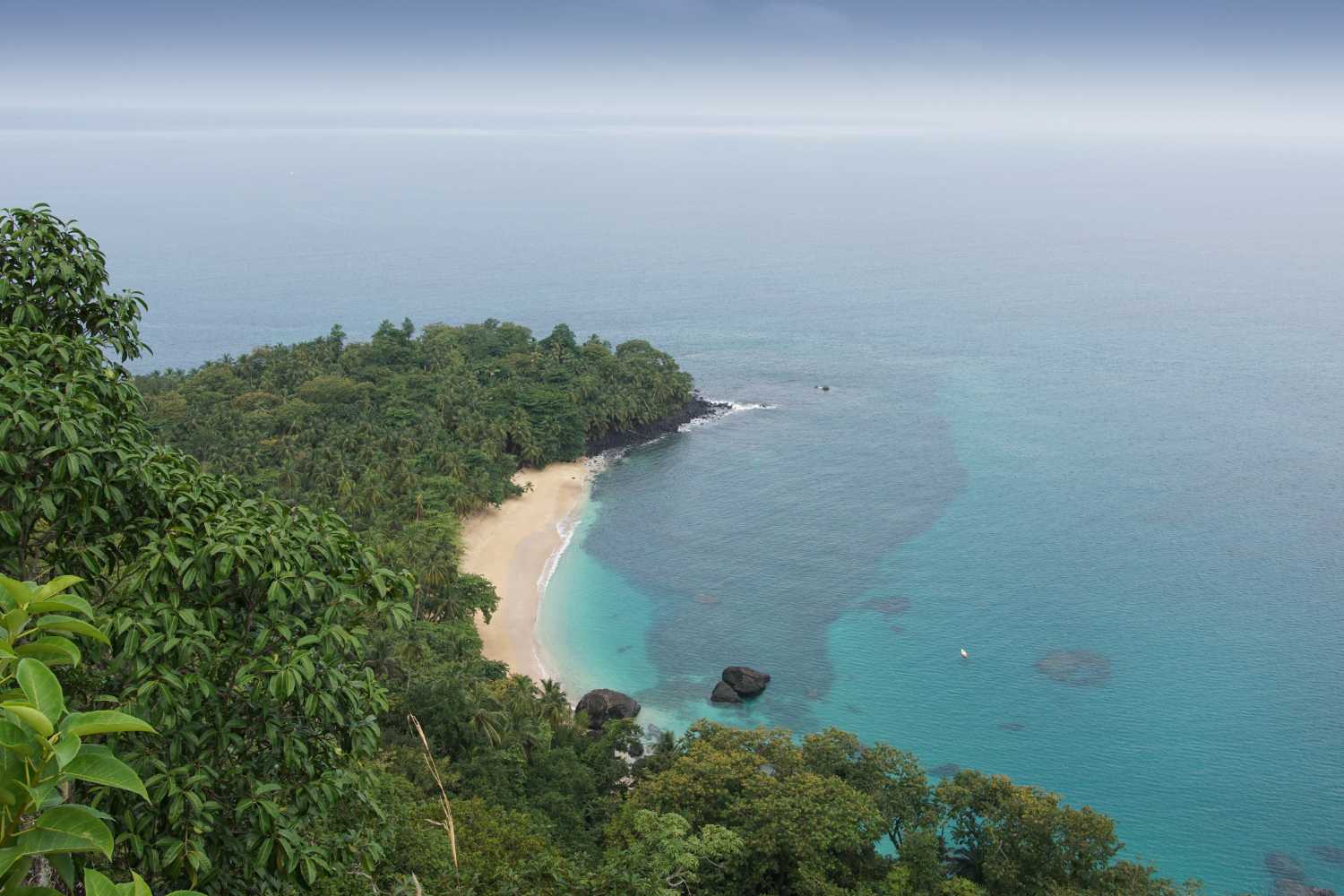
Sometimes the silence speaks more than a thousand words. TO São Tomé and Príncipeislands lying in the Atlantic off the Central-Western African coast, silence breaks only at dawn, when gray parrots begin to chirp and the Mona monkeys move among the banks, it is understood that the nature here dictates the rhythm. And you can only adapt.
These islands, which someone has called “Le Galápagos of Africa”, keep rare and extraordinary biodiversity. Yet, every year, Just 35,000 people set foot in this corner of the world. A tiny figure if compared to the tourist flows of the Ecuadorian sisters, who welcome many visitors ten times.
São Tomé and Príncipe is one of the most visited states of the planet. A small archipelago – twenty islands, two major – placed in the heart of the Gulf of Guinea, 240 kilometers from the coasts of Gabon. A place forgotten by the mass tourism routes, which has chosen another road. That of Ecoturismo.
The archipelago of São Tomé and Príncipe, with its pristine islands, represents one of the last corners of paradise that man has not yet transformed into a product to be consumed, unlike many other tourist destinations. The white sandy beaches, the lush forests and the volcanoes that emerge majestic from the green lands tell a story of resistance and hope, a story that has its roots in the earth itself.
Where dragons are born
The beating heart of this silent revolution is called HBD Príncipe. A curious name, which actually hides a declaration of intent: here be dragons, “here are dragons”, as was written on the old maps to indicate unknown and mysterious lands.
The architect of this vision is Mark Shuttleworth, South African entrepreneur and world traveler. When he set foot in Príncipe for the first time, he saw something that others had ignored: the possibility of building a different development model, based on the protection of the environment and the inclusion of local communities. Not a simple tourist structure, but a system, a replicable idea.
Today, HBD is the main employer of the island. Manage four resortsone Biological cocoa plantation – Paciência Organic – which produces chocolate and natural cosmetics, and finances social and environmental projects through the Príncipe Foundation. A company that in 15 years has invested over 100 million dollars in the country, and which now receives prizes and awards, such as the Travel + Leisure 2025 Global Vision Award.
A paradise that protects itself
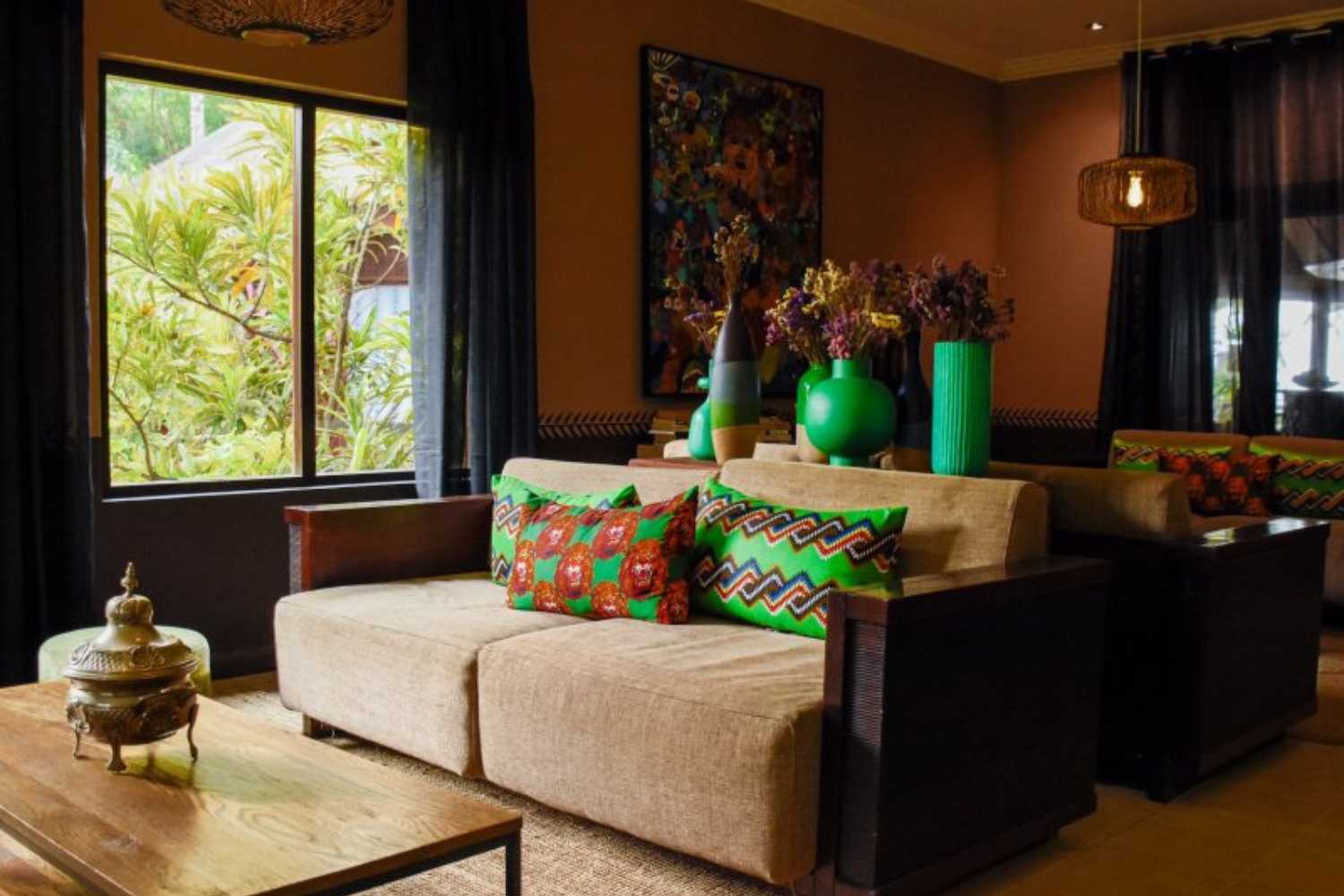
Sunday Praia It is the flagship of the collection. Fifteen villas immersed between the jungle and the beach, where nature is constant and alive presence. Every morning, those who wake up here does not need an alarm clock: the forest thinks about it.
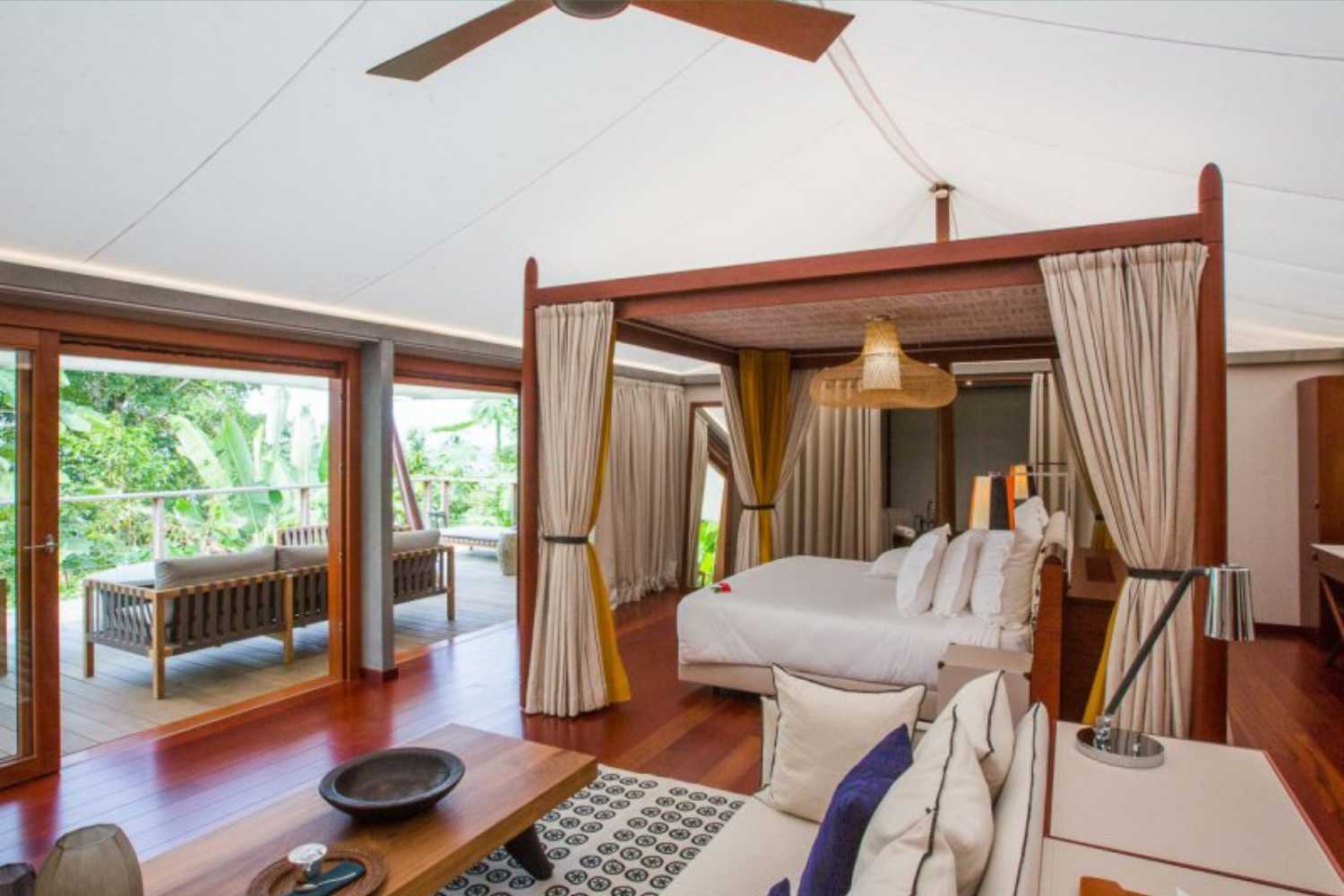
Then there are Roça Sundywhich tells the history of cocoa through tours in the fields and in the processing plants; Bom Bomthe company’s first hotel, overlooking the ocean and reopened in 2023 after a long restoration; and Ominalin São Tomé, the only support point on the island hosting the international airport.
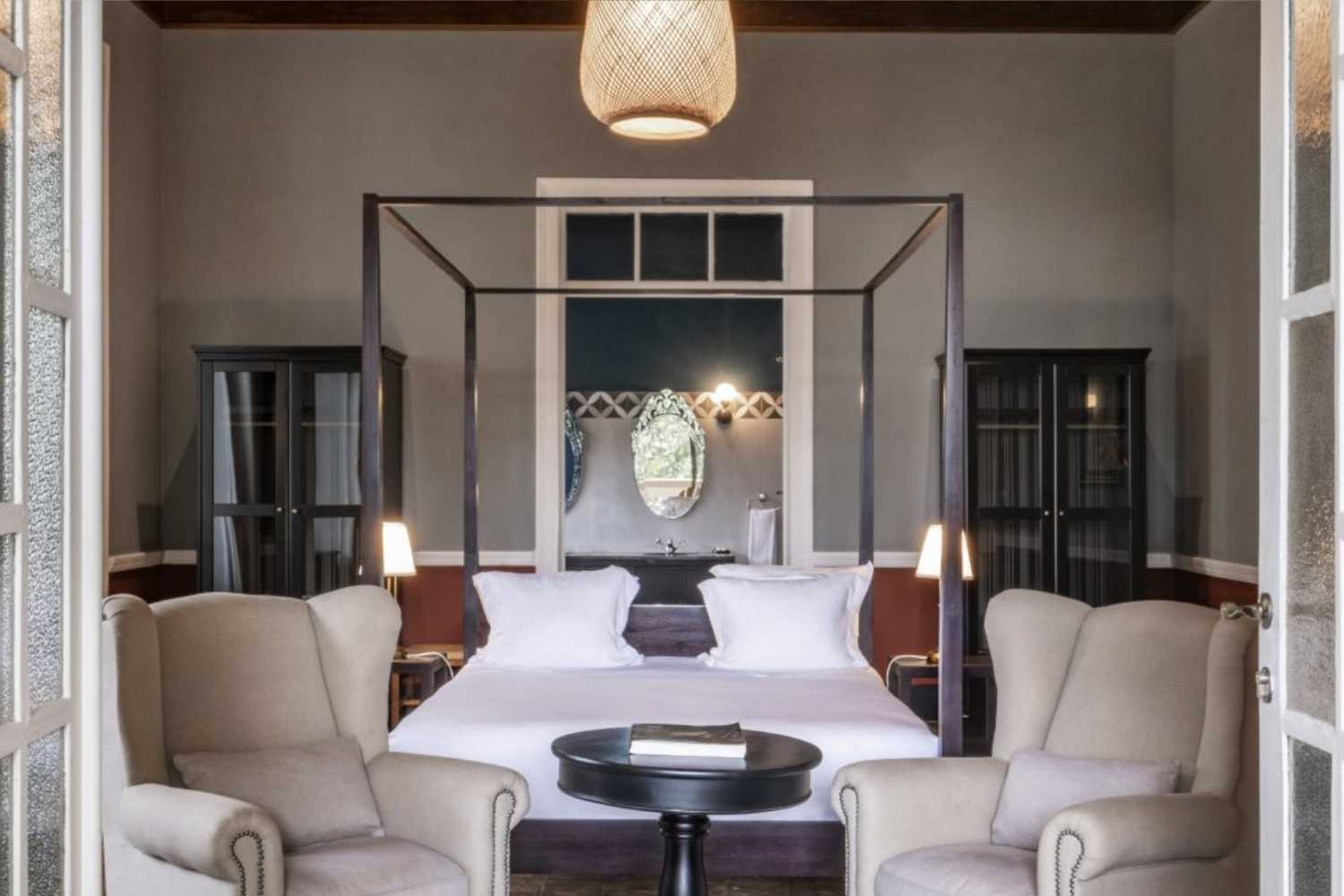
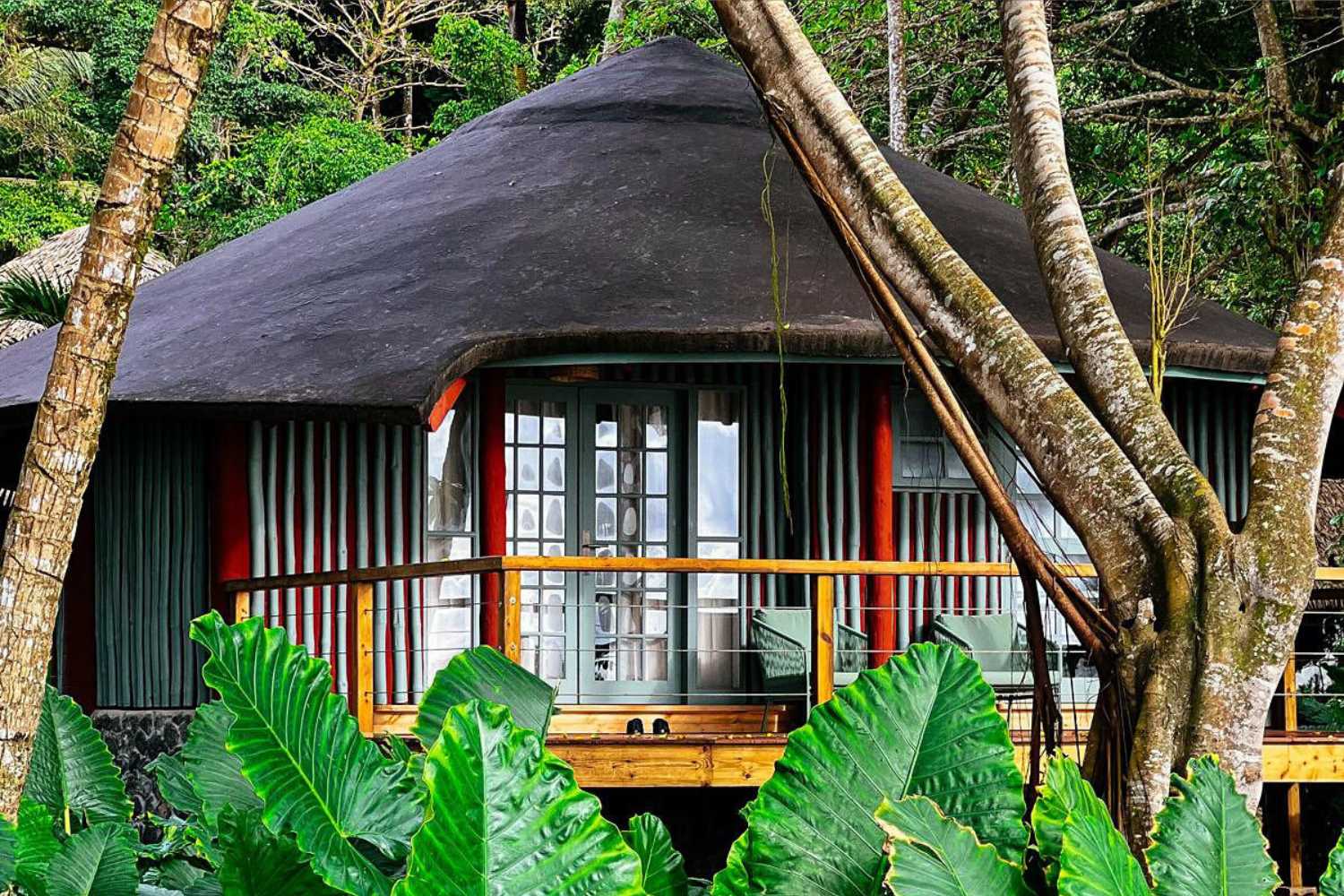
Those who choose to stay in one of these places contribute directly to the conservation of the ecosystem. Every night includes a tax of 26 dollars, intended for local projects: from monitoring coral reefs to the protection of marine turtle nests, to scholarships for young people.
Starting from 2024, it is also active Natural dividenda foundation that economically rewards the inhabitants who commit themselves to preserving the nature of the island. “It is a sort of universal basic income,” explains Jorge Alcobia, who leads the initiative. “We pay those who choose to protect their environment instead of exploiting it.”
Between volcanoes and plantations
The colonial past is still feeling, but in a different way. The old houses of the plants now welcome tourists, cocoa trees grow alongside the wooden structures of the new projects. The contrast is strong, but harmonious, and above all real.
São Tomé and Príncipe has one long and complex history. Discovered by the Portuguese in 1471, the islands were transformed into sugar cane plantations, then cocoa. For a long time they were one of the main world chocolate producers, then after independence – obtained in 1975 – the economic crisis hit hard, with unemployment peaks that reached 80%. The idea of changing to make room for palm plantations seemed, at some point, the only way. But no, it was rejected, and everything was born from that no.
A new generation
“When the first whites returned here, ten years ago, people were not happy,” says Wuilber Tavares, local guide, given the colonial past of the place, “then they saw that they were not here to take, but to return. Now we have a new generation, which he wants to learn, participate and grow.”
