
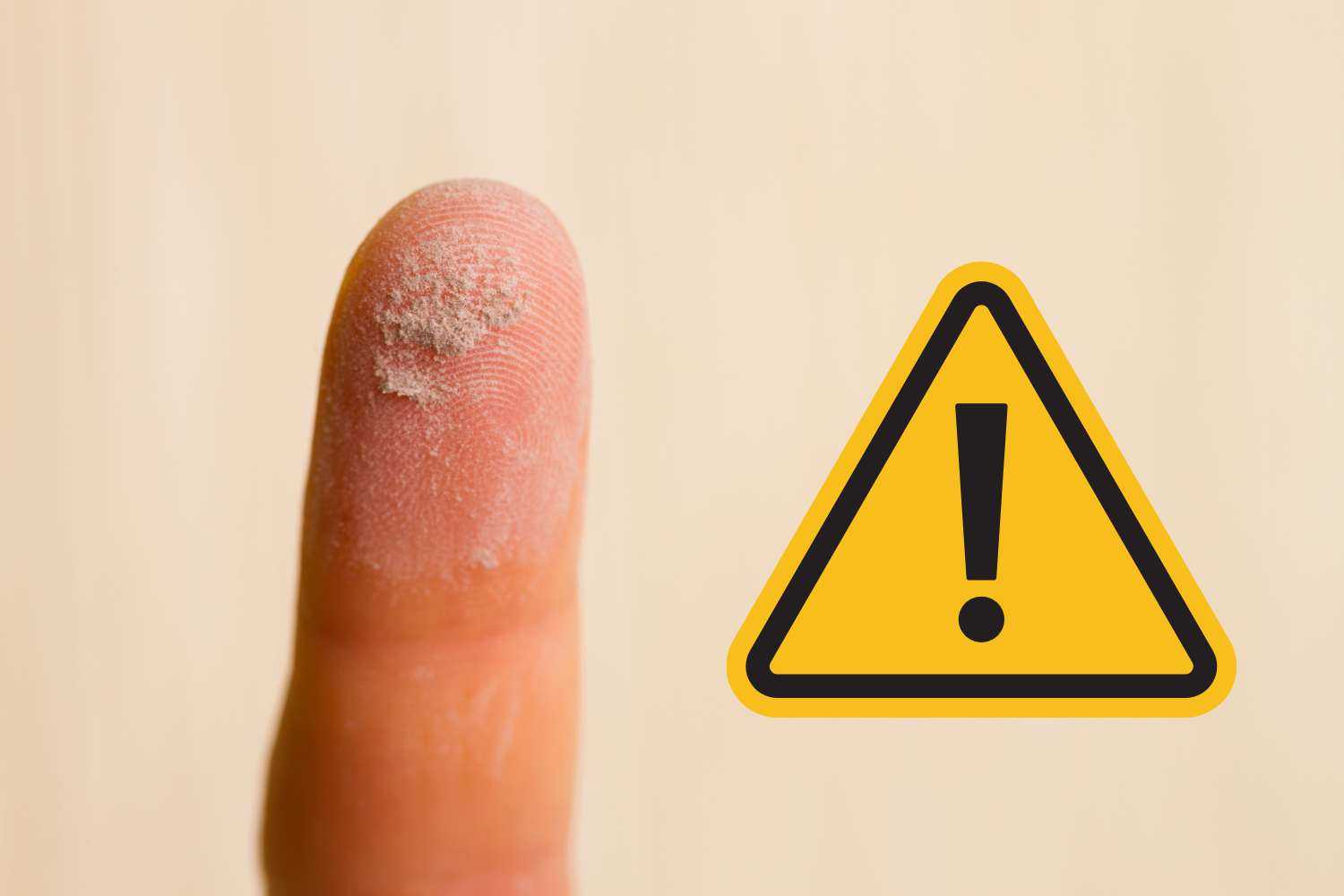
A recent European study has revealed a surprising and alarming presence of pesticides in the powder that accumulates in homes, especially in agricultural areas
A new international study has revealed that pesticides residues not only contaminate the surrounding environment, but are also omnipresent within homes. The results are worrying, as they show that many pesticidesmany of which are dangerous for human health and for non -target species, they are present in significant quantities in domestic dustespecially in the houses closest to agricultural fields.
The study, conducted by researchers from ten European countries, coordinated by the Radboud Institute for Biological and Environmental Sciences of Nijmegen, revealed that they are over two hundred chemicalsmany of which have been prohibited for decades, which continue to contaminate the environment and, consequently, also domestic environments. The Ramazzini Institute of Bologna participated for Italy, focusing on the Po Valley, one of the main agricultural areas of our country.
The origin of contamination: dust dust as a vehicle
The study analyzed samples from different sources in highly suited agricultural areas. The researchers discovered that the dust present in the farmers’ houses, and in general in the houses of the agricultural areas, is contaminated by a surprising number of pesticides. Among the samples analyzed, the researchers found over 200 pesticides, of which a hundred in the land, 112 in surface waters, and 197 in domestic dust.
A truly shocking figure is the fact that The amount of pesticides in the dust inside the houses was even greater than that detected in the agricultural fields themselves.
Chemicals arrive in homes not only through air, but also thanks to pets, which act as vehicles for the transport of pesticides, and even through shoes. When entering the house after being outdoors, it is possible to introduce traces of pesticides in your environments.
One of the most worrying discoveries concerns the presence of pesticides prohibited for decades, such as the DDT. This insecticide, internationally banned in 1972, continues to be detected in dust samples and in the waters, demonstrating its incredible persistence in the environment.
Although the levels of many compounds were generally low, in 86% of the samples, at least one substance with concentrations higher than the legal limits was detected.
The hidden dangers of the pesticides
The real risk does not only reside in the presence of individual pesticides, but in the combination of multiple chemicals, which act synergistically and are even more harmful to human health. Many pesticides are known to have negative effects on the endocrine, reproductive system and to increase the risk of oncological diseases. However, the combined effect of dozens of different substances has never been studied in depth, which makes the situation even more worrying. The prolonged exposure to these chemical mixtures, especially in domestic environments, could have devastating effects in the long term, without citizens being fully aware of it.
Another important fact to consider is that substances such as glyphosate and PFAS, which are permanent contaminants, continue to be detected in the environment. This underlines the need to review the regulatory approach, adopting more severe regulations and more effective reclamation measures. Even if we intervened to limit or eliminate these substances, in fact, the environment would continue to contain them for many years, unless drastic and expensive interventions to clean it.
The results of the study clearly indicate that the health of our environment is closely linked to human health, and that we can no longer ignore the alarm bells launched by science.
