
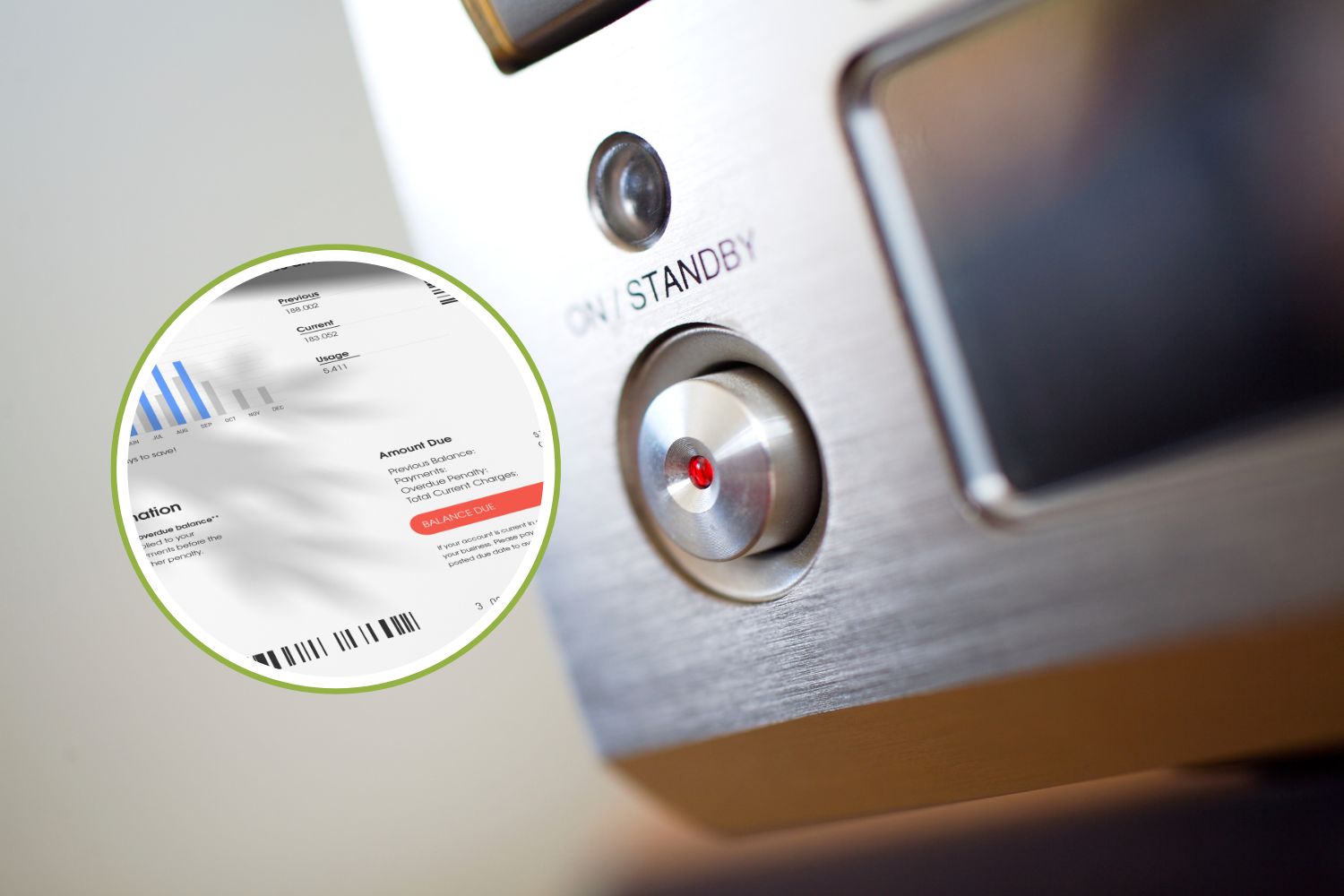
Turn off the TV, press the button on the remote control and you are convinced that you have closed the accounts with energy consumption. Mistake. Some appliances remain in a sort of energy lethargy, consuming current even when they seem off. The result? A more salty bill without you noticing it.
Among the most ravenous devices on stand by, three in particular deserve attention: the TV decoder, the microwave and the fixed computer. Apparently harmless, these appliances can let the cost of electricity rise up to 80 euros per year rise, simply remaining connected to the socket.
Let’s see together why and how to avoid this waste.
TV Decoder: the little big waste
If there is a silent consumption sample, it is the TV decoder. Even when you turn it off with the remote control, continue to remain active, ready to receive software updates or signal from the network.
A standard decoder can consume between 10 and 20 watts per hour. It may seem little, but multiplying it throughout the year, the cost becomes important. Considering the number of decoders present in many houses, between digital terrestrial and satellite, the impact on the bill grows exponentially.
Solution? Turn it out of the socket when you don’t use it, or use a multipresses with a switch. Alternatively, entrusted to a model with an advanced energy saving system.
The microwave oven: the deception of the bright display
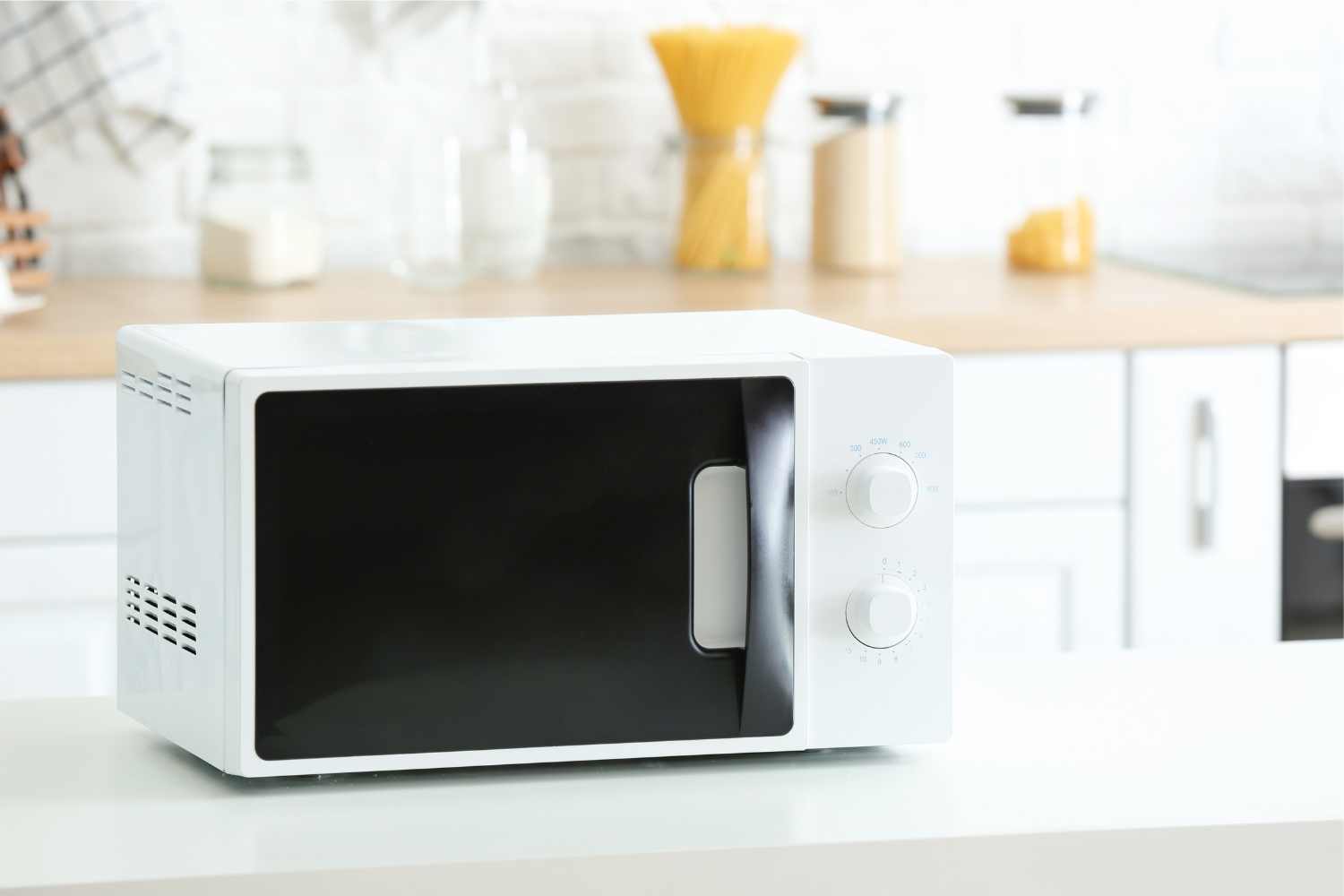
The microwave oven is one of those appliances that nobody thinks can consume in stand by. Still, the small display indicating the hour and active functions has a non -negligible energy cost.
A microwave oven left connected can consume up to 3-5 watts per hour, just to keep the screen on, if it also has smart or wi-fi functions, the consumption increases. In terms of expenditure, we are talking about 10-15 euros per year only for a display that, on balance, may not serve at all.
And it doesn’t end here. Some microwave ovens, especially those with many advanced functions, remain partially active to respond quickly to the commands, or to synchronize with other devices in the house. Result? Latent consumption could be even higher than we imagine.
Solution? Disconnect it from the socket after each use. If you find it uncomfortable, use a Smart Multipresses that interview the power automatically when the device is not in operation. If you intend to buy a new microwave oven, choose one with total shutdown function.
Fixed computer: a hidden energy plant
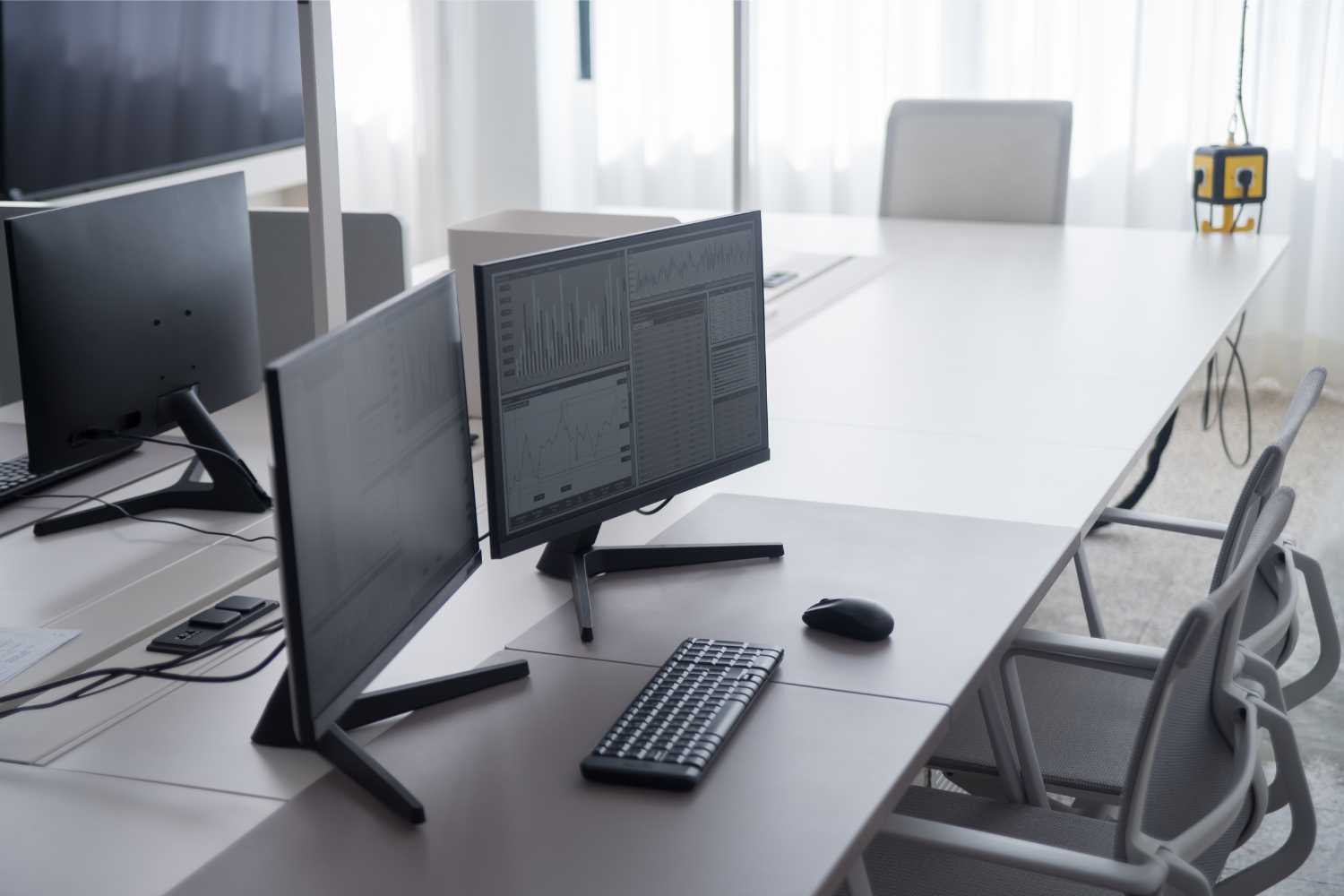
The fixed computer, unlike the laptop, absorbs a lot of energy even from off. On stand by, it can continue to consume between 5 and 10 watts, especially if connected to the various devices, such as the monitor, the speakers and the printer. Some models, then, maintain the updating and connection processes to the network, aspect that will further increase consumption.
If you leave the PC in suspension instead of completely off, consumption becomes even higher, even reaching 20 watts per hour. And if you have a configuration with connected peripherals, such as scanners, speakers or external rigid discs, consumption can rise even more.
Solution? When you don’t use it, turn it off completely and disconnect the slipper to which it is connected. For those who use the PC daily, a good alternative is the use of intelligent sockets with programmable timer. Even activating energy saving mode can also make a difference.
How to avoid throwing money into wasted energy
Now that you know what are the most energetic appliances on stand by, here are some practical advice to reduce waste:
Turn off a device is not always enough to reset consumption. Deleting waste requires some little attention, but the savings on the bill will widely repay the effort. And then, let’s face it: better to spend that money for something more fun, right?
Finally, if you want to take a further step forward, consider invest in a domestic photovoltaic system (Here you will find many articles about it), or in accumulation batteries (Here for more information) to reduce dependence on the electrical network. Every small gesture, added in time, can make a big difference, both for the wallet and for the environment.
