
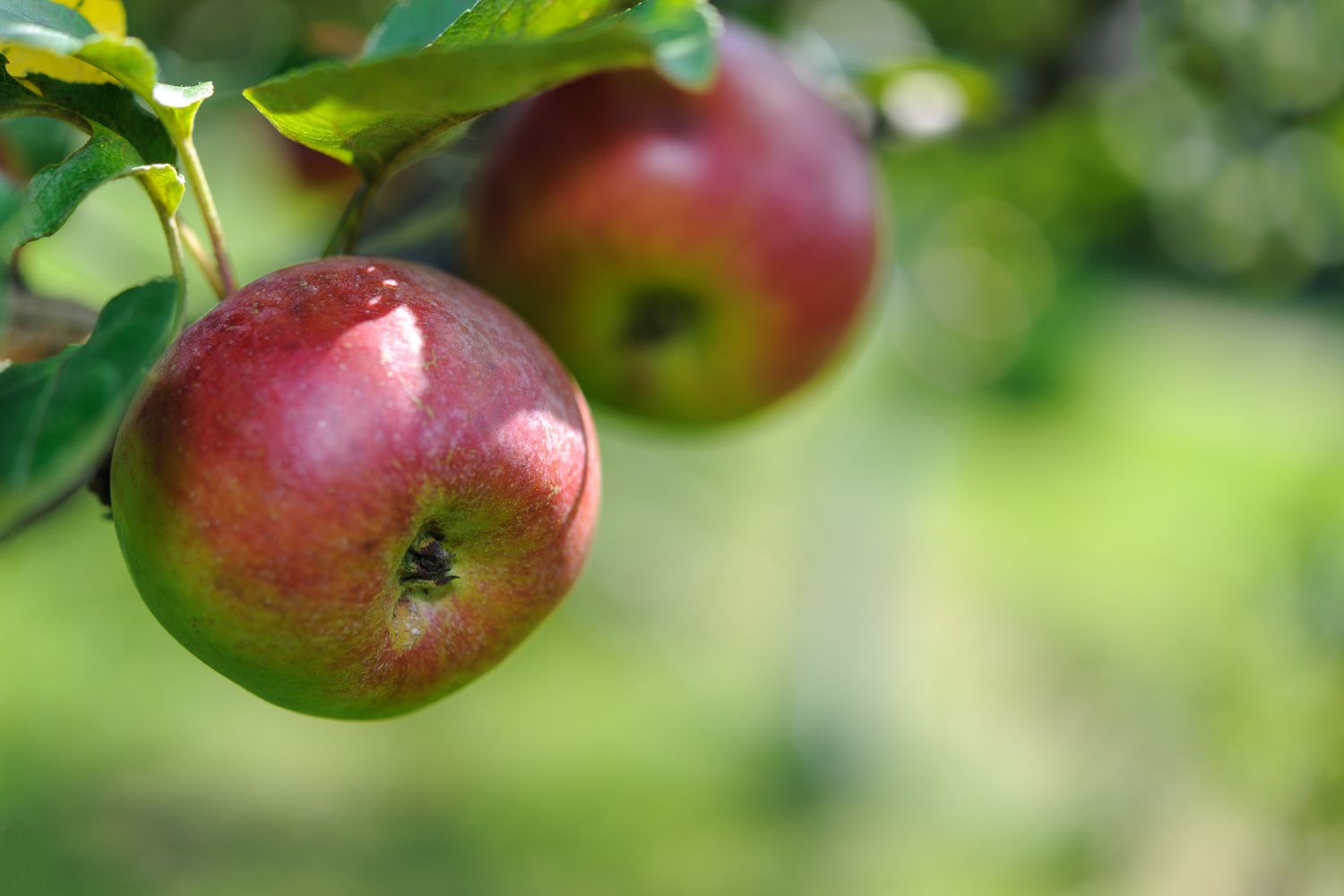
Apples, peaches, pears, apricots, cherries, figs: The fruit cultivated in the province of Arezzo has undergone, in the last decade, a drastic reduction due to climatic, economic and environmental factors, with serious repercussions on small agricultural businesses. It is estimated that an out of two fruit tree has even disappeared.
To launch the alarm is Coldiretti Arezzowhich analyzed the Widespread Istat data on the occasion of the Rimini MacFrut. On that occasion, President Lidia Castellucci said:
The increase in production costs, climate change, international unfair competition, unfair practices, the arrival of new parasites that affect plants such as Asian bedbug or the Drosophila Suzuki And the difficulty of finding labor are the set of components that make the cultivation of pears, apples, peaches not always profitable. To suffer more are the small farms that have fewer resources to face costs and limited commercial outlets.
Castellucci reiterated the need to Establishing equitations and transparent market ruleswhich allow Italian farms to survive the competition of foreign products, often much cheaper for various reasons. In many of these countries, in fact, there are no adequate protections for agricultural workers, often underpaid and exploited. Furthermore, the intensive use of phytopharmacies is still widespread, unlike Italy, where the use of these substances has been reduced by 50% in the last thirty years, in the sign of more fair, sustainable and respectful agriculture of health. It is clear, however, that the production costs of these two realities are not minimally comparable.
To the unfair competition is added the weight of the climate changemade even more critical by delays in the realization of the reservoirs, fundamental infrastructures to guarantee water resources for crops.
Finally, declares Coldiretti Arezzo, a further alarm bell concerns the Drastical reduction in fruit and vegetable consumption by Italian families. A trend that, in addition to penalizing the agricultural sector, also puts the health of the new generations at risk.
SOURCE: Coldiretti Arezzo
