
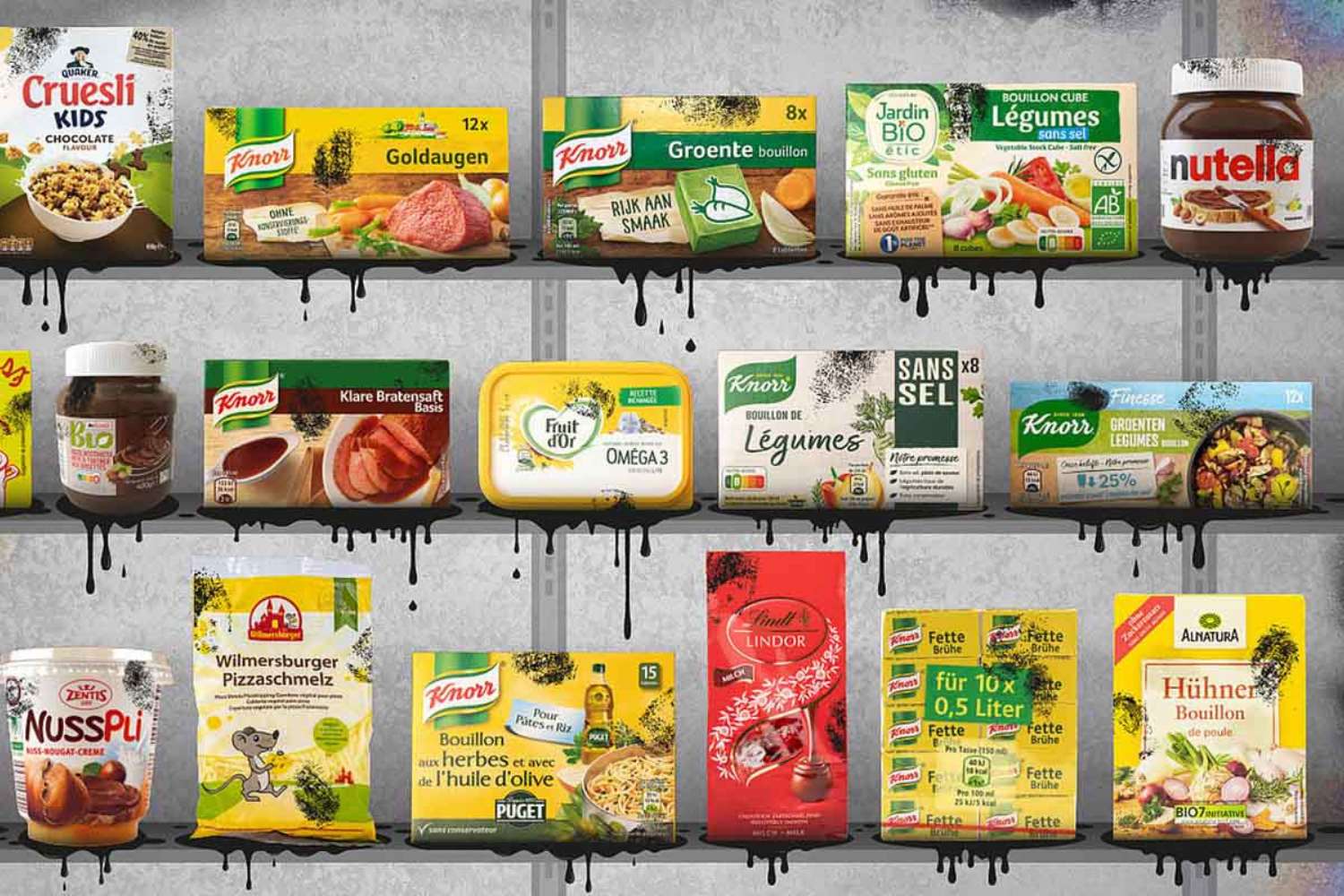
Despite years of alarms and pressure from associations such as foodwatch, the European Union cannot find a common line to limit the presence of mineral oils in food. The legislative proposal to the study proved to be cumbersome, not very effective and the subject of strong influences by the industrial lobbies
There European Commission he presented a draft regulation at the beginning of 2024 which aims to fix binding limits for the presence of Moah (aromatic hydrocarbons from mineral oils), Sudes suspected of having carcinogenic and genotoxic effects, in food. However, the negotiations between Member States are wrapped in confidentiality, and according to what was revealed by internal documents obtained by foodwatch, deep contrasts emerge between European countries on the type of approach to be adopted.
The limits envisaged for some foods, such as vegetable oils and high fat products, are judged too permissive, while the adjustment times required by the industry risk postponing for years the entry into force of measures that really protect consumers.
The documents shows that some states, including Italy and Spain, are pushing to introduce exceptions in favor of key sectors such as that of olive oil. In some cases, industrial positions have been transmitted directly to European institutions through official channels. A striking example concerns a Spanish olive oil recently finished in the center of a food alert for having exceeded the temporary limit established for the Moah 26 times.
In clear contrast, countries such as Germany, the Netherlands and Luxembourgs instead ask for a leaner and more rigorous system, based on the percentage of fats in the product, which would allow simpler checks and greater uniformity.
Natacha Foodwatch International belts said:
After years of alarming results of tests and public pressure, the European Commission has finally taken a step forward towards the regulation of the contaminants of mineral oils in food. However, The bill is not sufficiently incisive to fully protect consumers. In a context of strong pressures by companies, it is now up to the Member States to promote rigorous regulation. For too long, operators in the sector have exposed consumers to genotoxic carcinogenic suspicions, who find no place in our foods. The only level of residue acceptable for mineral oils in our food is: zero!
The EU proposal is inadequate
According to Foodwatch, the draft leaked in June 2024 presents three serious critical issues:
A previous version of the text, examined by Foodwatch at the end of 2023, was more severe and ambitious, a sign that the pressure of the industry to obtain derogations are making their fruits.
The model proposed by the Commission also requires that each ingredient of a compound product (such as a snack or soup) respects specific limits, with a complex calculation to determine the eligible final threshold. A process that is difficult to manage for the control authorities and often impractical in the absence of precise information by the producers.
Foodwatch denounces that, as it is, the proposal risks creating regulatory confusion and leaving too many margins of ambiguity:
The problem has been known for years and producers know perfectly how to avoid it. The tests show that it is technically possible to market foods without contamination from Moah.
Another worrying aspect is the poor transparency of the decision -making process. In February 2025, Foodwatch presented a formal request for access to the documents, obtaining over 30 EU internal documents that describe in detail the exchanges between the European Commission and eight Member States: France, Belgium, Germany, Luxembourg, the Netherlands, Spain, Italy and Ireland. Only these eight countries have provided written observations on the draft regulation, while the official position of the other 19 is not yet known.
Some, like France, have even refused access to their exchanges with the Commission, further fueling concerns about the lack of transparency and the real political will to face the problem.
In the absence of timely and understandable public documents, it is difficult for citizens and consumers to understand who is really defending public health and who instead is giving in to the pressure of great economic interests.
Mineral oil contamination is certainly not a new problem. Foodwatch began to report it in 2015 and has since led numerous tests on products such as cereals, pasta, biscuits and even foods for children. The Association asks for an “zero tolerance” approach, especially for products intended for babies and small children, particularly vulnerable categories.
The regulation represents a historical opportunity to fill a regulatory vacuum and strengthen the protection of European consumers. But if the Member States do not exceed their disagreements and do not oppose the pressure of the industry, Europe risks approving an ineffective law that once again leaves the citizens exposed to avoidable risks.
