
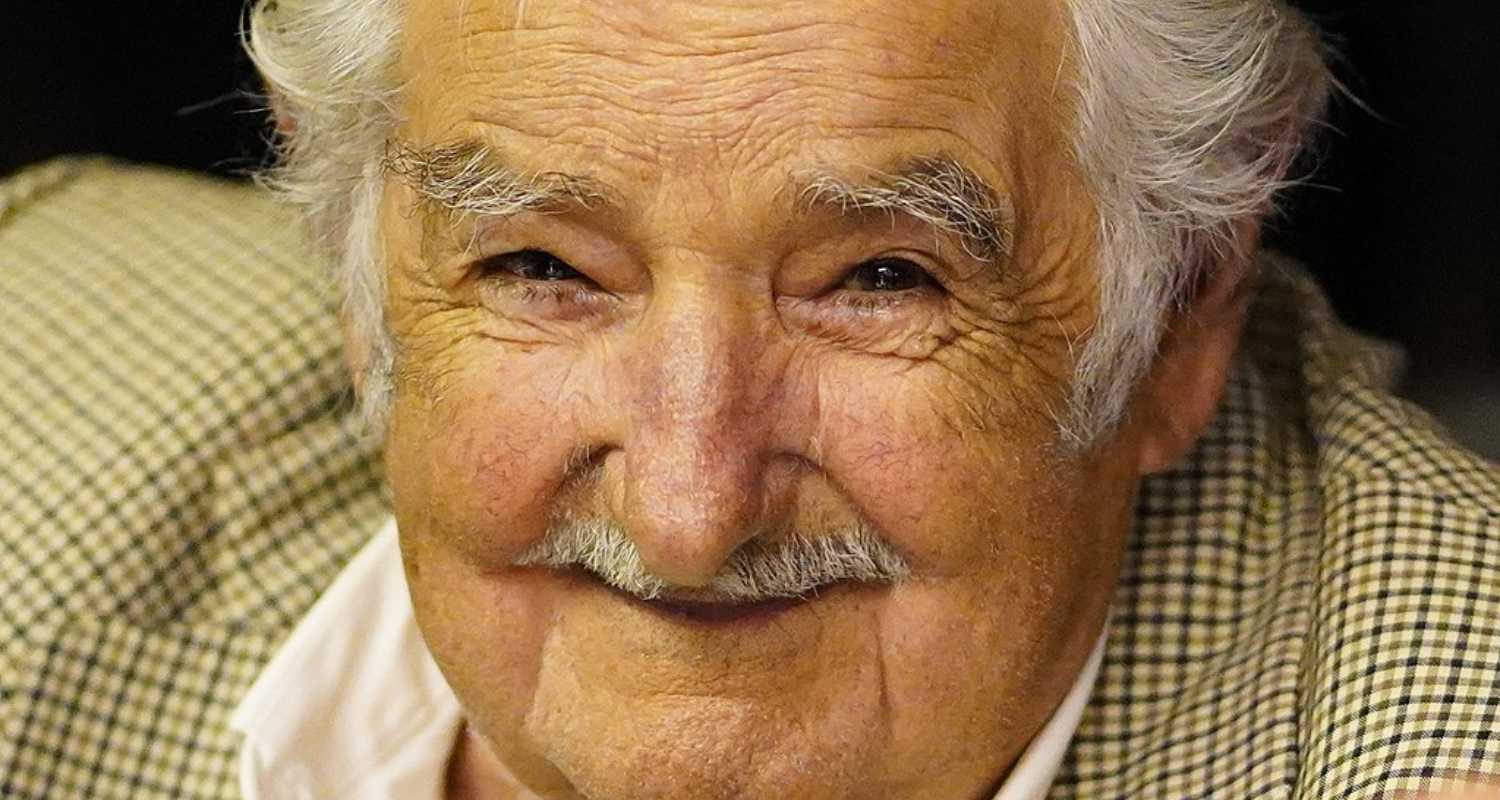
José “Pepe” Mujica, former president of Uruguay, at the age of 89 years of Cerro, in Montevideo, to Montevideo. Until the last, “Pepe” united the wisdom of the long road traveled, the passion for reading and the experience gained as a base militant, political prisoner and, towards the end of his life, also head of state.
In the last months of his life, he had made a balance of his existence and reflected on wealth, on Milei, on peronism and on Argentina. He faced the disease that, far from stopping it, has strengthened his will to live according to his principles until the last breath: with simplicity, consistency and a lucid awareness of his legacy.
Changing the world is difficult – he said – but you must always fight to try to improve it. A message that now resounds like its spiritual testament.
In recent years, the figure of Mujica had conquered the world, not so much and not only for his past as a former president of Uruguay, but for the genuine lifestyle that has always distinguished him.
With his life partner, Lucía Topolansky has always embodied a policy of sobriety and dedication to the community, living with little and giving most of their revenues to projects of popular participation and social construction.
At 89, with esophagus cancer that in the end defeated him, in recent times he struggled to get up from the chair to greet those who went to see him. Still, his mind remained lively and acute to the end. He knew well what was waiting for him and did not make illusions.
“I can’t complain. With the life I had … getting to 89 years of age was a miracle. I have seven bullet wounds in the body, I lost the spleen, a lung is smaller, the heart moved … yet here I am,” he said in one of his last interviews.
Consistency until the end
José Mujica was many things: militant, guerrilla guerrilla movement, political prisoner, deputy, senator and president of Uruguay. But above all, it was an example of consistency. He always lived how he preached, with the necessary and nothing more. With Lucía, he gave up a life of agi to support the movement of popular participation and to contribute to social projects.
He never moved away from his roots nor did he give in to the privileges of power. Until the last, he lived in a humble farm thirty minutes from the center of Montevideo, in a house he had chosen to share with a family who needed him most. No assistants, service staff or safety.
The legacy of a true leader
“It’s not that he wants to die, but it’s evident … I’m getting closer to me,” he said in his last few days.
He said it without regrets, with the serenity of those who lived intensely, with passion and dedication. Mujica has never stopped believing that changing the world is difficult, but necessary. And to do it, you must always fight. With every gesture, with every choice.
Time took his life away, but he will not turn off his example. Because Mujica was not just a man, it was an idea. And the ideas, when they are strong and true, never die.
In the interesting and profound last interview with La Nacion, “Pepe” did not want to speak only of politics, but about his message, of his legacy. Yet, inevitably, he made references to current affairs, to Javier Milei, to Cristina Fernández de Kirchner, to Peronism and Argentina.
He has never been a conventional politician. His choice to live with little, to donate most of his salary as president, to stay in a simple house with the same partner and their beloved thin, the dog with three legs, has never been a pose. It has always been a choice of consistency.
“Happiness is not to accumulate things, but having time to enjoy life,” he repeated for years in his speeches.
He said it until the end, with the same conviction. And his message sounds even more urgent in a world that runs faster and faster, between unbridled consumerism and increasingly evident inequalities.
Mujica has never preached from the pulpit of a policy far from people, as we almost always see. He experienced the struggles, defeats, captivity on his skin. Today, while he leaves us, his voice remains a point of reference for those who dream of a more just world. More human.
His example and his words will continue to inspire generations of people all over the world, reminding us that true wealth is not measured in material goods, but in the ability to live with dignity and consistency, always at the service of others.
