
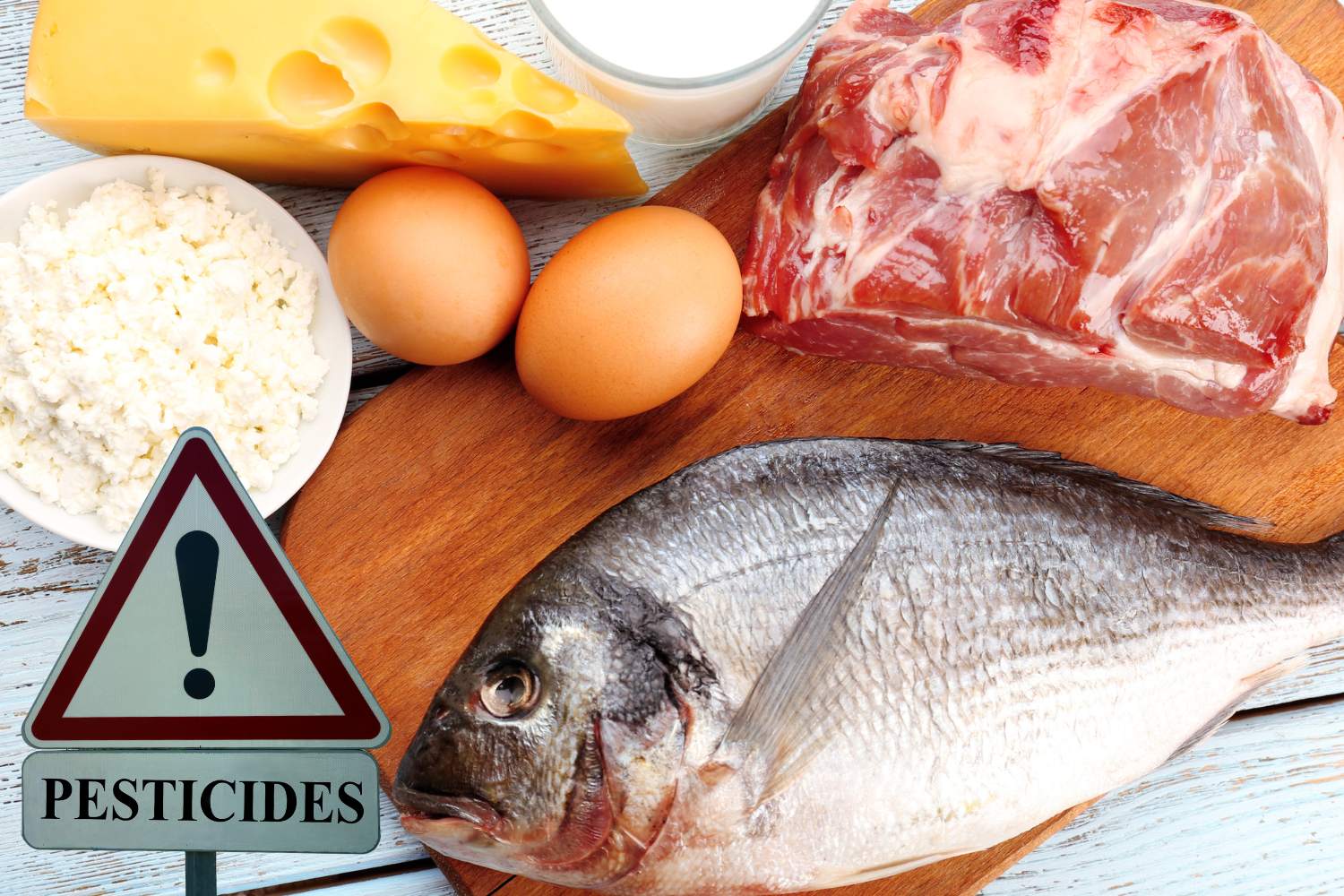
Not only fruit and vegetables: even foods of animal origin can contain pesticide residues. Here’s what a new German survey discovered
When we think of pesticides in food, fruit and vegetables immediately come to mind. But, unfortunately, they are not the only foods in which we can find residues. A new investigation, conducted by the German Cvua laboratory of Freiburg, It has focused exclusively on foods of animal origin – such as meat, milk, eggs, honey and fish – discovering that they can contain traces of pesticides, at different levels.
The study
During 2024, the Cvua of Freiburg analyzed 921 samples of animal foodof which 271 within the German National Residual Control Plan (NRKP). The goal was to detect the presence of pesticides, including the substances used as biocides in food production processes.
The results show that 30% of the samples contained residues, but nobody exceeded the legal limits.
Where do the pesticides come from in animal food? There are several ways: contaminated feed, drinking water, use of disinfectants in the production premises or even environmental contaminations linked to the so -called “old pesticides”, prohibited for years but still present in the soil and in the environment due to their difficult degradability.
The results overall showed the presence of 490 residues, detected in the samples analyzed. These varied a lot depending on the category:
In four cases relatively high residues were found: three fish samples and one of mozzarella contained chlorate and composed of Quaternary ammonium (Qac)substances often deriving from the use of disinfectants.
It is interesting to note how the frequency of residues also varies according to the animal species. The animals raised outdoors or in the wild present residues more frequently than those raised indoors, such as pigs. This suggests that environmental contamination of persistent pesticides play an important role.
The study also included the analysis of 18 suspicious samples and more at risk of contaminationincluding:
Pesticides found more frequently
Although they have been prohibited for decades in the European Union, i Organoclorural pesticides The most detected residues in food of animal origin continue to be: 82% of the residues belong to this category, with Esaclorebenzene (HCB) and DDT which represent 45% and 24% of the total respectively. Their environmental persistence and the ability to accumulate in animal fats explain their presence, even years after the last use.
Next to these “old pesticides”, the controls have also highlighted biocidi residues such as the chlorate and quaternary ammonium compounds (Qac), which do not come from agriculture but from detergents and disinfectants used in the industrial transformation of food. The chlorate, for example, was found in high quantities in two samples of fish and one of mozzarella, while anomalous levels of Qac (such as Ddac and Bac-C12) were found in a sample of fish and in one of milk ice cream.
The positive data is that No sample has exceeded the legal limits, and that the concentrations found are considered safe. However, the presence of residues – even if minimal – in a not negligible percentage of samples underlines the importance of continuing to monitor and carefully manage the use of disinfectants and the quality of the feed.
Even if in this case the risk is not high for consumers, the goal must be the reduction to the minimum of contamination, even indirect. In fact, it is to be considered that these are certainly not the only foods that expose us to pesticides.
