
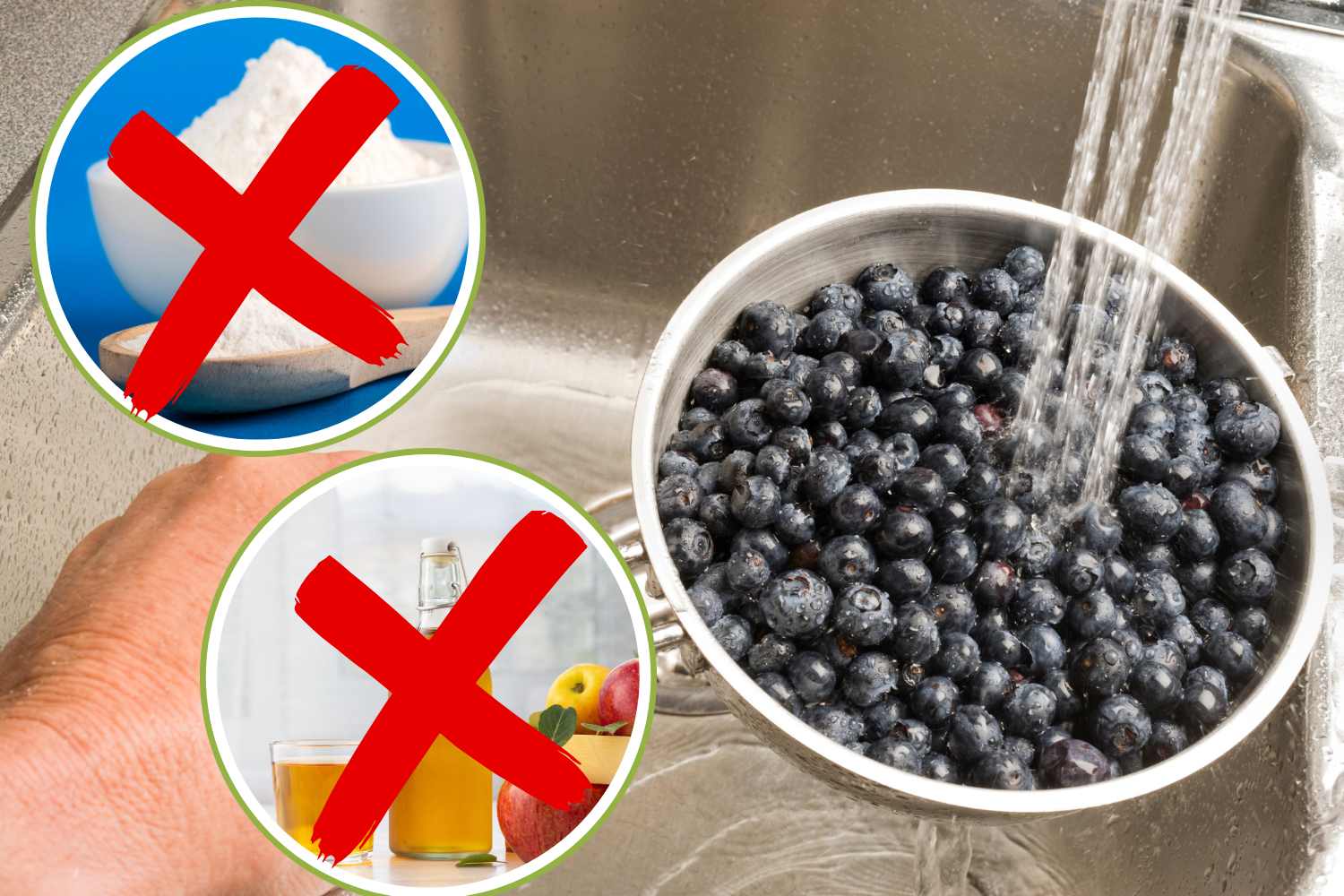
How many times have you opened a pack of blueberries, did you rinse them quickly under running water and you consumed them immediately? Or even worse, how many times have you washed them as soon as they are back from shopping, thinking of doing the right thing, just to find them moldy after a few days?
When it comes to fresh fruit and vegetables, washing them is an obligation – unless it is fruits with a very thick peel that we generally not consume, such as bananas or oranges. In the case of blueberries, the time of washing is quite complicated, since it is a small and delicate fruit, especially if already mature enough.
Unlike other fruits, such as apples or peaches, blueberries do not have the peel and are therefore exposed to pesticides, contaminants present in the ground, the action of bacteria and mushrooms, finally to manipulation during the transport and sale phases to us.
When to wash the blueberries?
Blueberries, as well as strawberries and other berries,, but only when we intend to eat them. Wash the fruits and put them in the refrigerator loading of water, in fact, it reduces the duration of conservation due to the increase in product humidity.
What we can do as soon as they are back from the supermarket is to inspect the blueberry basket and check the possible presence of moldy or in a state of decomposition: in this case, we throw away the rotten blueberry, to avoid the risk that it could contaminate even those in good condition.
Then we keep the blueberries inside a well -clean and dry container in the lower part of our refrigerator, until the moment we do not want to consume them. At this point we proceed with washing, following these steps.
(READ ALSO: Blueberries, 7 amazing effects of eating them every day, confirmed by science)
How to wash blueberries?
We begin by washing the hands and the plane of the sink, to minimize the risk of bacterial contamination. We take our hermetic container from the fridge and pour the blueberries into a colander with narrow holes or a strainer.
We place the colander under a jet of cold water and move the blueberries with our hands, in order to let the water flow on all sides. After thoroughly rinsed the fruits under running water, arrange them on paper towels or on a clean cloth and dry them well before eating them.
If you have them in a bowl, move them gently with your hands. Avoid rubbing or crushing them because their peel is very delicate and breaks easily.
If you notice an opaque white patina on blueberries, don’t worry – it is the “prina”, a natural coating that indicates freshness.
(READ ALSO: pesticides in strawberries: it is not enough to rinse, these are the best and most effective methods to remove them)
The errors not to be made and what not to use
On some sites we read to use the bicarbonate or one Solution of water and salt To wash the blueberries and disinfect them correctly, but it is a practice that we advise against: in addition to not guaranteeing more accurate cleaning and disinfection levels, this practice weakens the fruits, making them spinning and not very attractive.
Also wash the blueberries with thevinegar or with the lemon juice It is not an intelligent idea, since there are still no studies that demonstrate the real effectiveness of these acid substances in the cleaning of small fruits.
Among other things, diluting the vinegar in the water is a highly polluting practice that we advise against regardless: the molecules of the acetic acid, contained in vinegar, do not dissociate in contact with water and keep their corrosive, irritating and inflammatory properties unaltered.
We also recommend you:
