
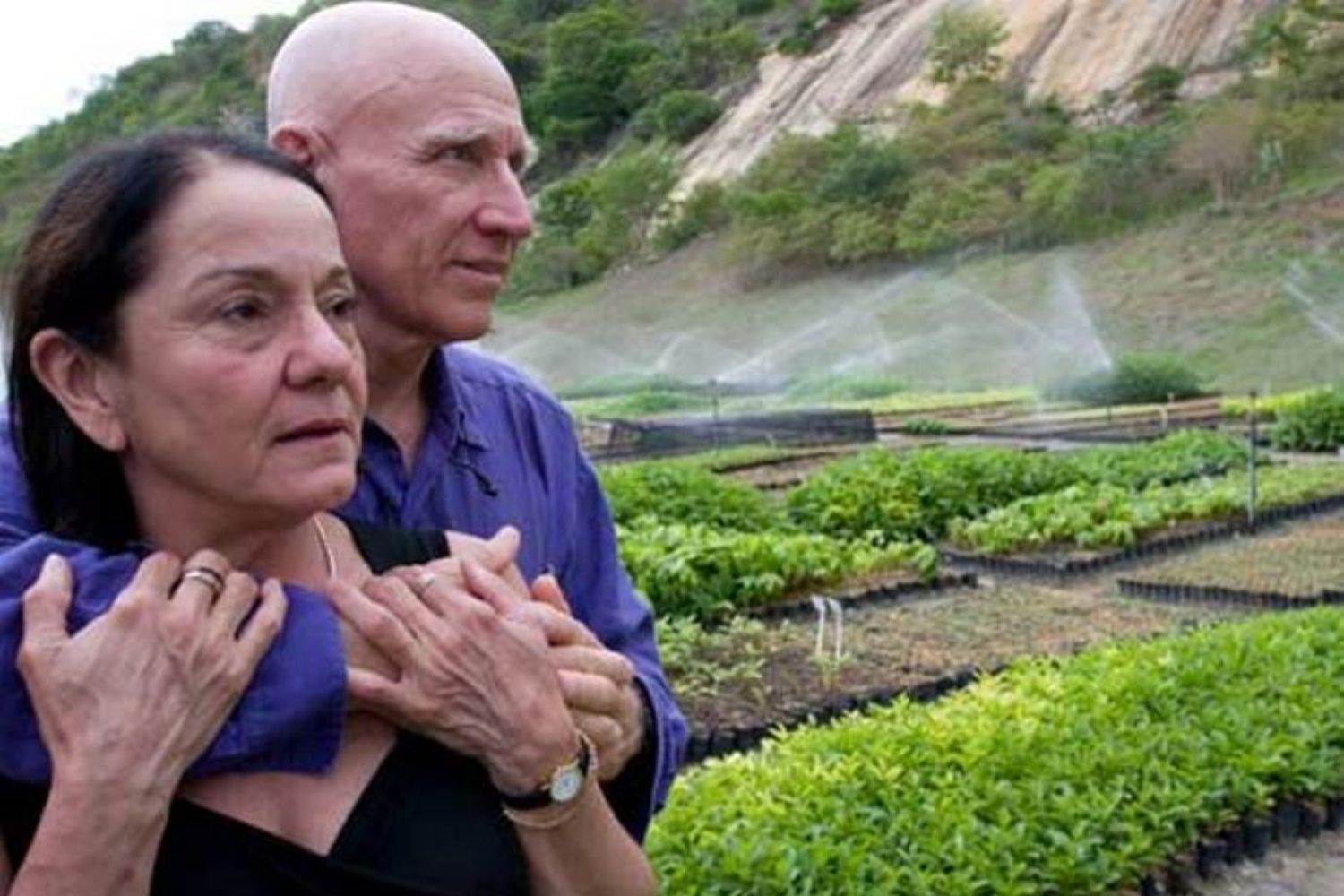
The world has lost one of its greatest photographers ever. The Brazilian photographer Sebastião Salgado He disappeared at 81 in Paris, where he lived with his wife Lélia Wanick Salgado. Known for his powerful black and white shots, he dedicated his life to telling social and environmental injustices, transforming photography into an instrument of denunciation and but also of hope.
View this post on Instagram
The photographic objective as a weapon of complaint
Born in 1944 in Aimorés, in the state of Minas Gerais, Salgado studied economics and statistics before embarking on the career of photographer. His passion for photography was born during a trip to Africa, who prompted him to leave his work as an economist. During his career, Salgado documented the tough Life conditions of workers, refugees and indigenous populations in over 130 countries.
View this post on Instagram
For six years Sebastião Salgado has traveled to the Brazilian Amazon, immortalizing the charm of the rainforest. His most famous works, such as Worldrs (1993), Exodus (2000) and Genesis (2013), received numerous international awards, including seven prizes World Press Photo and the Prince of the Asturias prize for the arts in 1998.
The commitment to the earth
After attending the horrors of conflicts in Congo and Rwanda, Salgado decided to move away from photography to devote himself to the rebirth of nature. In 1998, together with his wife Lélia, he founded The Instituto Terra, An organization dedicated to the reforestation of the Brazilian valley of the Rio Doce, on his native land.
Thanks to their commitment, over 3 million trees have been planted: a degraded area has turned into a wonderful nature reserve.
An immortal legacy
Salgado’s death marks the end of an era, but his work continues to live. His images inspired generations to look at the world with a curious but above all conscious gaze. “Photography is the mirror of society”. And his mirror reflected the beauty and suffering of the earth, inviting us to take care of it.
