
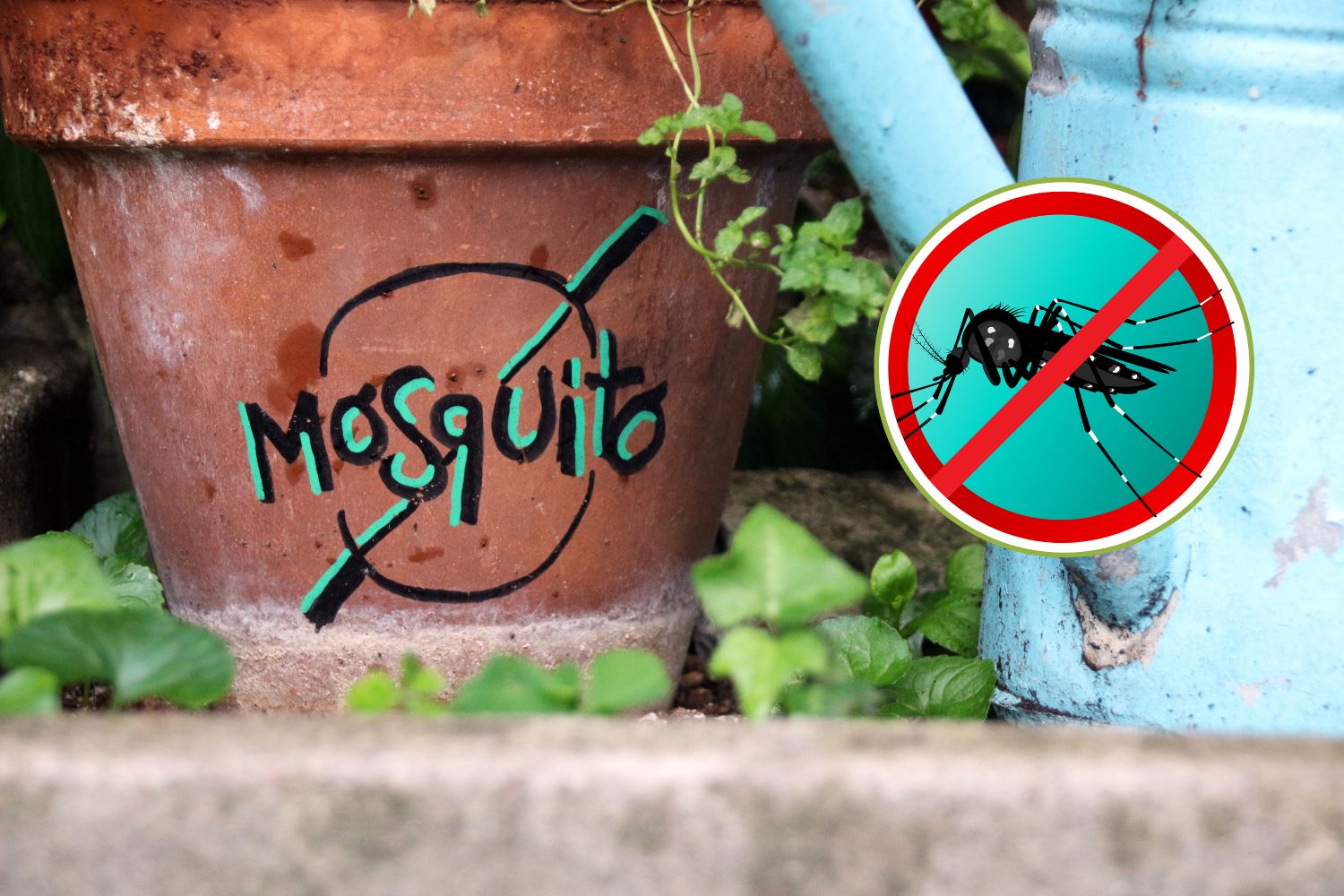
May brings with it the longest days, the first dinners on the terrace, the warm air that enters the open windows. And, inevitably, the Return of mosquitoes: punctual like a Swiss watch, here they are again to spoil the evenings and transform the ankles into a battlefield. Is it in this period that many wonder: are there really plants able to keep them away?
The short answer is yes, but with some distinctions that we will see in the next paragraphs.
The “fragrant” enemies of mosquitoes
The most emblematic case is certainly that of the lemongrass, also widely used in industrial products. It is not an metropolitan legend, given that the citrus perfume is unwelcome to many species of mosquitoes, but there is an important detail to keep in mind: the plant alone does not make miracles. To have an appreciable effect, it is necessary to place it in strategic points – near the doors, windows, outdoor tables – and it is better to choose the most smeared varieties, such as the Cymbopogon Nardusmore effective than other relatives.
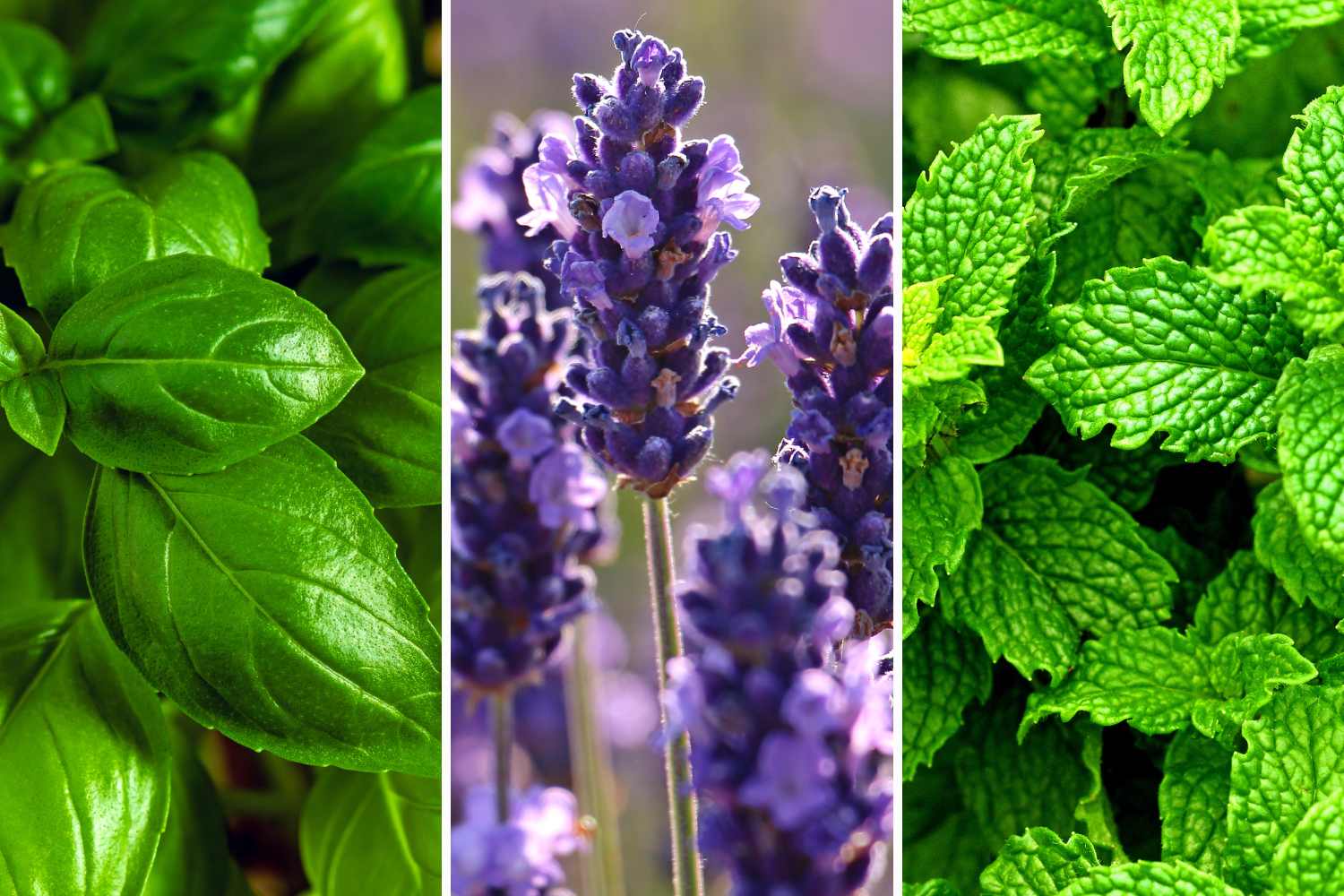
Can’t you stand the smell of the lemongrass despite not being a 70kg mosquito? Fortunately, there are more kind alternatives for our nose, but not for mosquitoes, such as basil, lavender and peppermint. Basil, for example, releases aromatic compounds that disturb insects and at the same time flavor the salad. Lavender has the advantage of being decorative, useful for bees and detested by mosquitoes. And the mint? Fresh for us, annoying for them.
The reality behind the myth
Repental plants work, but only up to a certain point. The perfume we like so much – the one that makes us imagine a corner of Provence on the balcony of the house – actually releases effectively only when the leaves are crushed, or cut. So, A static pot is not enough and you have to “activate” the plant.
Studies also confirm this: The essential oils extracted from lemongrass, lavender, eucalyptus lemon or peppermint have real repellent properties. But in the laboratory tests, the oils are applied in concentrated doses, not simply left to evaporate in the air by a plant. According to the ANSES (acronym that stands for “Agence Nationale de Sécurité Health of the Food, of the Environnement et du Travail”, that is, the French National Agency for the health safety of food, environmental and work) these) natural solutions must be considered complementarydo not replace the most effective measures, but can contribute in a wider perspective.
In short, they are useful (we can consult a wide assortment of scientific studies in this regard, such as the one that concerns the use of these methods in Iranian medicine) But do not expect that they are enough to keep a haunted area at bayespecially if you have a garden near a ditch or a stagnant water point. In that case, not even an entire nursery will be able to save you.
Combined strategies: the real defense
The secret is combine weapons and adopt a varied strategyin which plants can represent aesthetics and perfume, with supporting reinforcements.
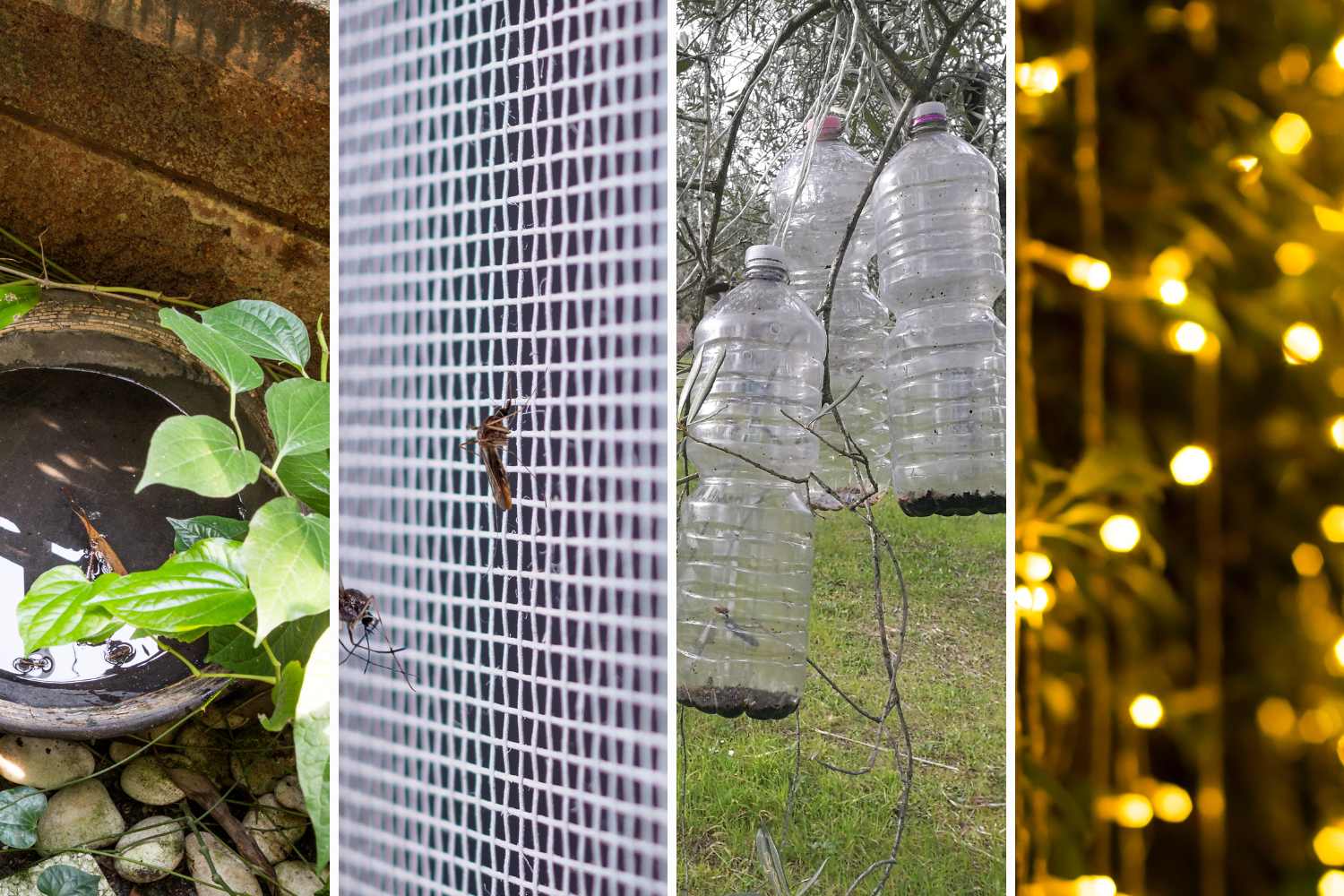
First of all, the hygiene of the spaces. Stagnant water is the main ally of mosquitoes: empty the saucers, clean the gutters, eliminate the objects that collect rainwater, and remember that even a forgotten cup can become a nursery for the larvae.
Then there are the mosquito netssimple, cheap and very effective, especially if you live in wet or country areas. And for those who love do-it-yourself, the traps with brown sugar and yeast They attract and trap several specimens: a bottle cut in half, a few tablespoons of melted sugar, a pinch of yeast and you will have an economic and strangely satisfactory recipe ready.
A‘well -studied lighting does the rest: For example, yellow light LED bulbs attract less insects than traditional ones. They are small precautions, but make the difference.
A daily gesture
Anti -media plants require care: they must be watered, pruned and reinforced. And above all they must be “used”, in the literal sense: rub the leaves between the fingers and place them near the access points It is a simple gesture, which can reduce the presence of insects without resorting to chemicals.
And there is also a psychological aspect, in my opinion: take care of a small green corner, perfumed and designed to protect us, It gives us back a sense of control. We do not live at the mercy of insects, but in an environment that we have chosen and shaped. This, perhaps, is worth more than its objective effectiveness.
In conclusion
Repental plants work, but as long as you know what to expect. I am not an insurmountable barrier, nor a spell of nature, but are part of a wider strategy. And if well used, together with good hygiene and prevention practices, they really help make summer evenings more endured.
