
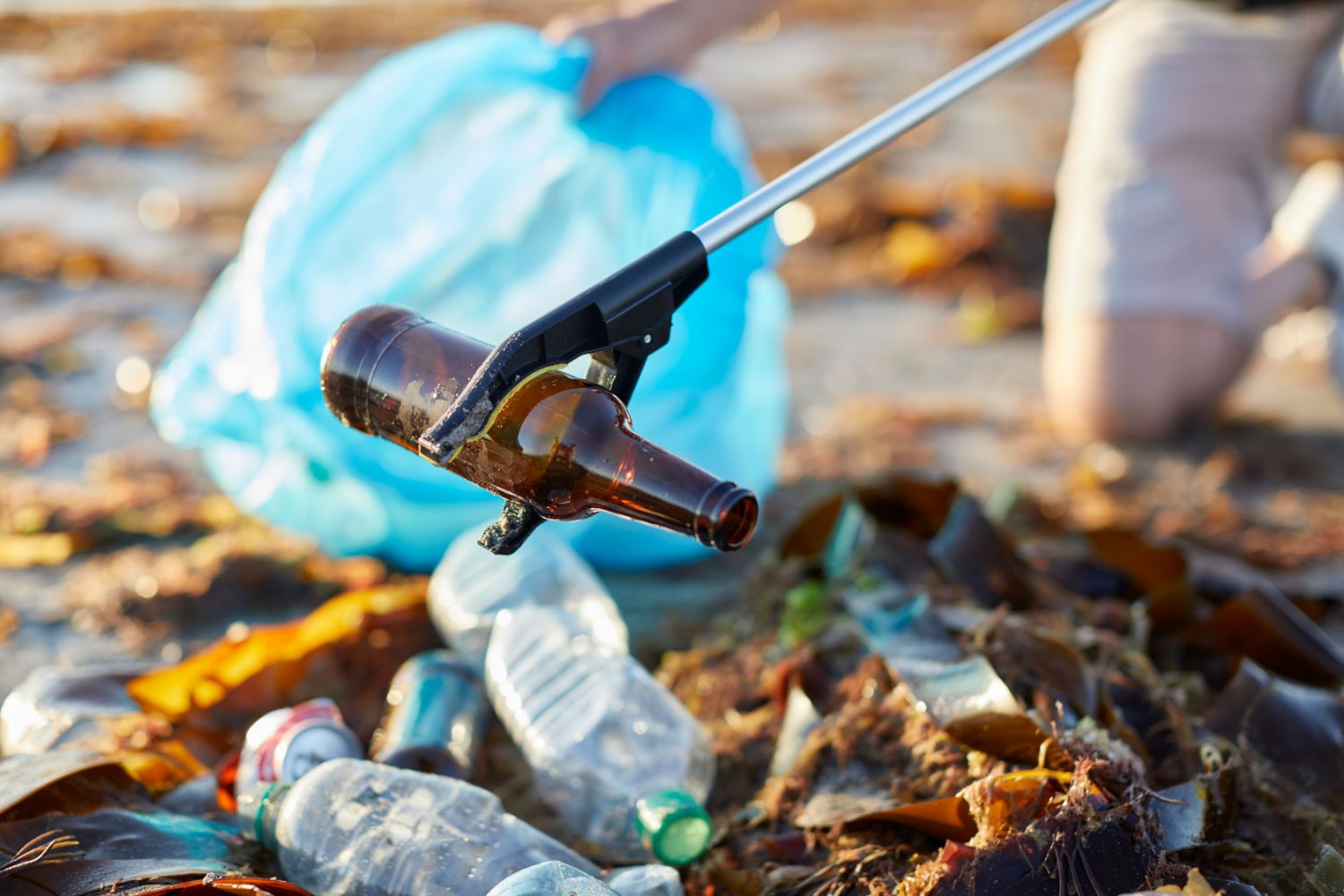
Abandoned bottles, cans and glass everywhere: an eight -month investigation photographs the disastrous state of littering In Italy and points the finger against the big brands. Among all, they stand out beersdrinks and bottled water, with a surprising presence of the beer sector, especially in glass and metal containers.
The research, conducted between May and December 2024 in the peripheral areas of the Milanese, led to the collection and analysis of beyond 11 thousand containers for abandoned drinks. The author of the investigation is a voluntary town, Helena Boerswho cataloged each piece with the Webapp Abbar Radar of the “good to make” campaign, identifying materials, drinks and above all the responsible brands.
Moretti, Coca-Cola and Red Bull dominate the littering ranking
Among the 5,830 containers identified per brand, 67% were attributable to only 10 brands, with Moretti in the lead, followed by Coca-Cola and Red Bull. If you look at the industrial groups, the podium is occupied by Heineken, Coca-Cola and the Brewer giant AB INBEV.
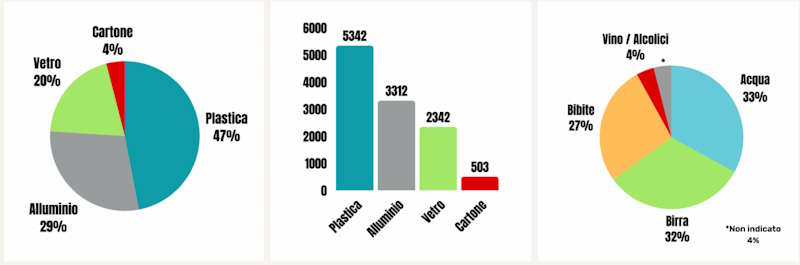
An all -Italian tendency is the very strong incidence of beers, which in our country exceed international data in visibility in the littering, even affecting how much bottle water (33%), followed by non -alcoholic drinks (27%).
Here are i March of the 10 most found packaging waste in Italy:
- Moretti
- Red Bull
- Coca Cola
- Ecstatic
- Heineken
- San Benedetto
- Tennements
- Sant’anna
- Beck’s
- Monster
Beer and cans: the numbers deny the official versions
In clear contrast with the declarations of exponents of the beer sector and the Cial Consortium, according to which the cans would contribute marginally To the problem, the data show the opposite: thealuminum It represents 29% of the abandoned containers. Follow plastic (47%), glass (20%) e cardboard for liquids (4%).
Although in Italy many more pets in pet and glass are consumed than cans, the latter have a much more visible environmental impact than you want to admit, observes Enzo Favoino, scientific coordinator of the countryside.
Italy remains behind: security deposit systems are needed
To date, 17 European countries have already introduced security deposit systems (DRS) to reduce the littering and encourage separate collection. Five others, including Spain and Greece, will do so by 2027. Italy, however, remains at the pole.
Despite the evidence that emerged, in Italy it has not yet witnessed a full recognition of the problem and the adoption of effective solutions by the producers, as discussed in a recent conference promoted by the vice -president of the Chamber Sergio Costa, declares Silvia Ricci, coordination of the Countryside “To do well.”
Although several initiatives from individual citizens and associations highlight the seriousness of the situation throughout the national territory, the producers of drinks still tend to minimize their responsibility, emphasizing that of individual consumers. As is the case of the campaign “if it must end up drinking there not even” by Ichnusa/Heineken now in its second edition.
Just the “good to make – much more than an emptiness” campaign together with Asvis presented, at the Bologna stage of the festival for sustainable development, The document “The security deposit, this unknown. What to do to reduce the dispersion in the environment of plastic bottles and cans?”, in which it is highlighted as this system (the Deposit Return System – DRS) represents a simple and effective solution to further strengthen the circular economy, capable of guaranteeing collection rates above 90%as already happens in European countries such as Germany (98%).
In fact, if on the one hand Italy presents excellent performance in terms of circular economy, also thanks to the excellent work done by the existing consortia, on the other it is among the main responsible for the plastic spill in the Mediterranean, with about 90 thousand tons dispersed every year. There are over eight billion the containers of plastic, glass and metal drinks that escape recycling every year, dispersed in the environment or disposed of in incinerators and landfills.
Despite the collection efforts, About a third of plastic bottles It still escapes traditional collection systems, contributing to pollution. The introduction of a deposit system would allow not only to increase the quantity and quality of the materials collected for a safe recycling but also to reduce the use of raw materials in the creation of new containers and thus reduce climaling emissions.
It is absurd to continue to postpone a decision on the only system that has proven effective in drastically reducing the dispersion of drinks packaging in the countries where it has been implemented while reducing the extent of the plastic tax that we pay every year to the European Union for plastic packaging that we do not recycle, concludes Silvia Ricci.
