
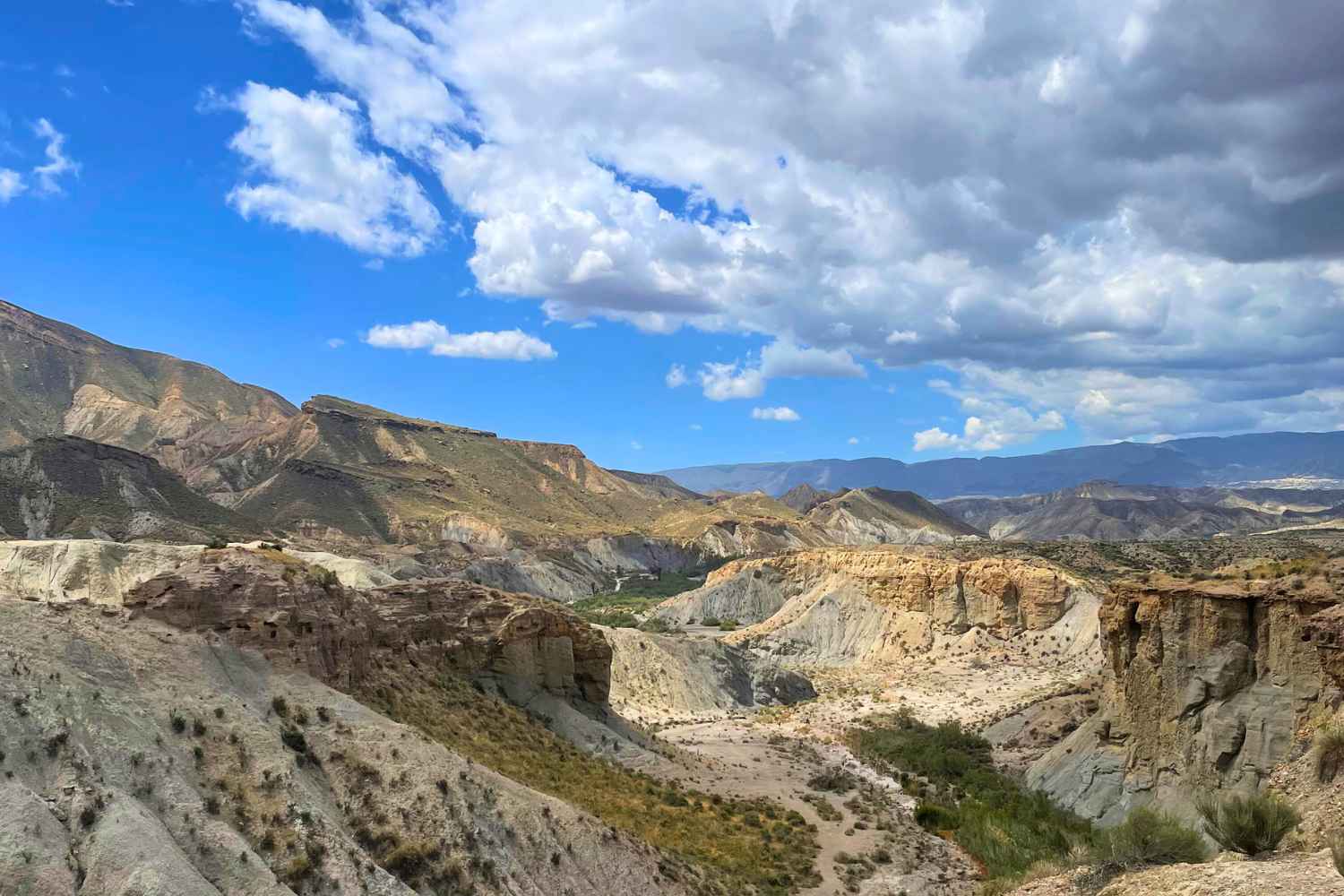
In the south-east of Spain, to about 30 kilometers from Almeríaextends the Tabernas desertthe only real desert geographically recognized in Europe. With a surface of 280 km²this arid and fascinating landscape has a unique combination of the world of climatic, geological and cultural characteristics that make it an unmissable destination for lovers of nature and cinema.
An extreme climate and unforgettable landscapes
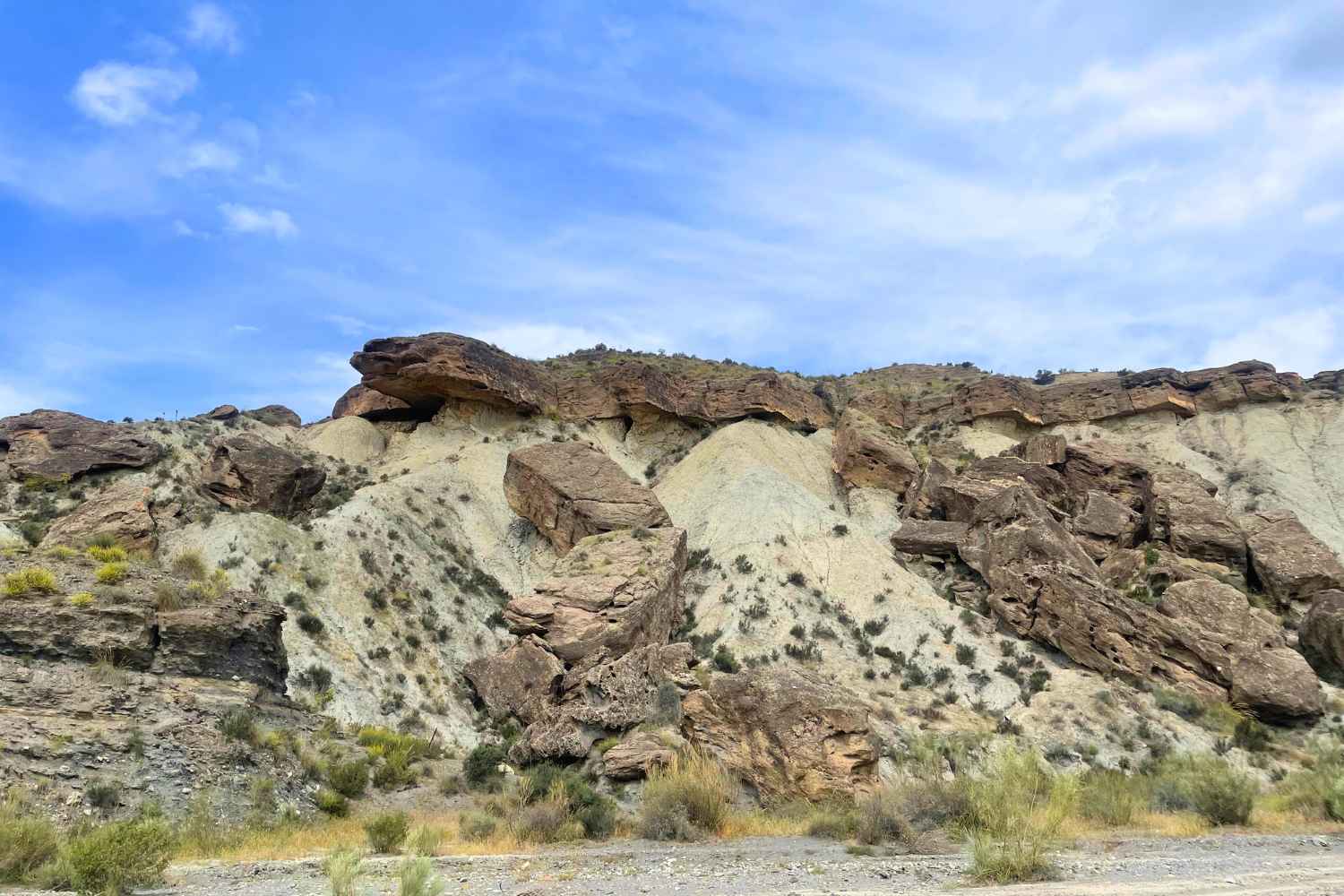
The Tabernas desert is located Between the Sierra de Los Filabres to the north and the Sierra Alhamilla in the south-eastmountain ranges that isolate him from the wet currents of the Mediterranean Sea, a geographical position that contributes to a semi-arid climate, with annual rainfall of less than 250 mm e summer temperatures that can exceed 45 ° C. The landscape is characterized by unique geological formations, such as Canyon, Calanche and Badlands, modeled by erosion and poor vegetation.
The cradle of western spaghetti
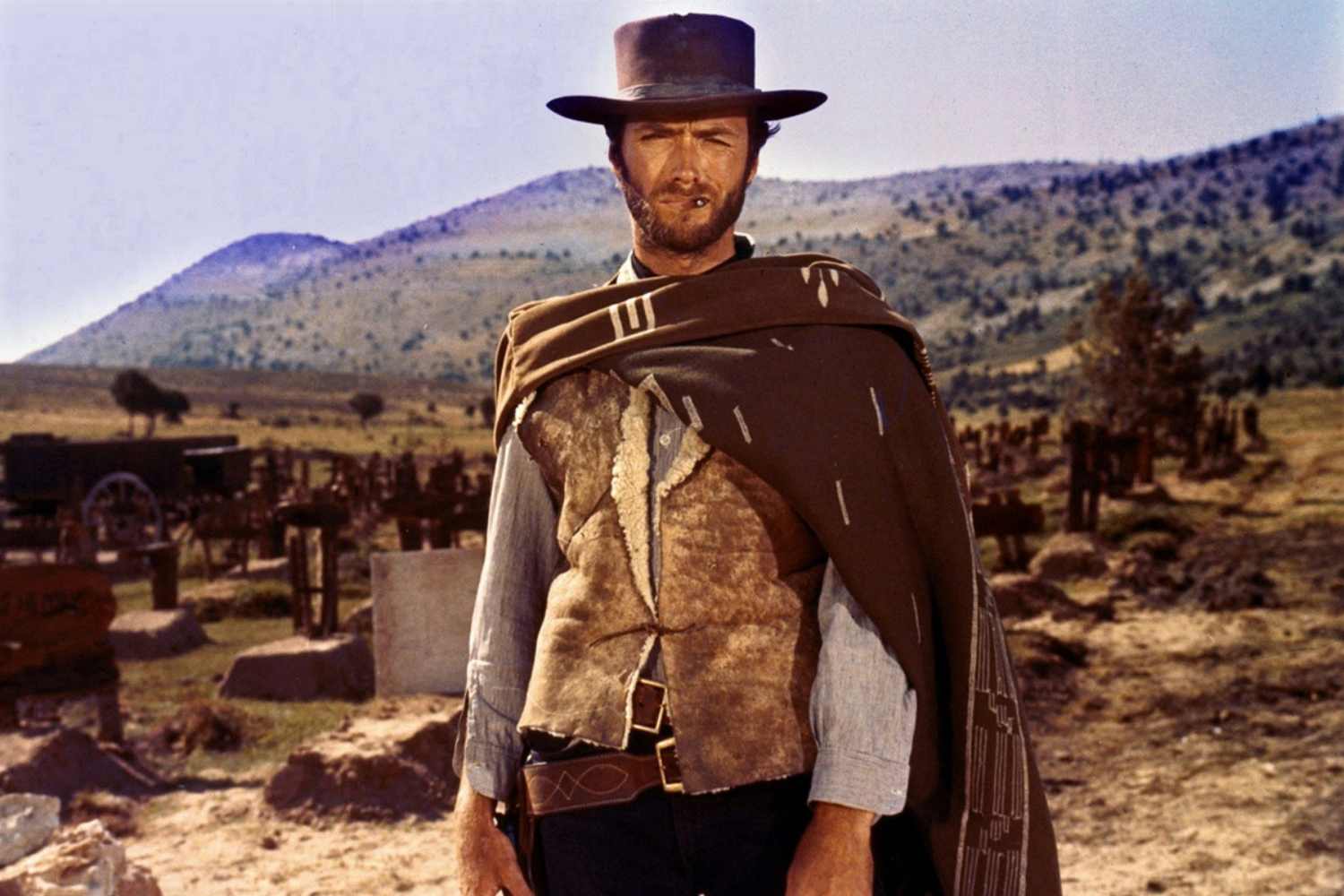
In the 60s and 70s, the Tabernas desert became one of the favorite locations for the directors of Spaghetti Western, thanks to the similarity with the Landscapes of the American Far West. Sergio Leone turned here the legendary trilogy of the dollarformed by “For a fist of dollars” (1964), “For a few more dollar” (1965) and “The good, the ugly, the bad” (1966), the case that contributed decisively in making the desert famous internationally. Over 300 cinematographic productions have used this natural scenario, including “Lawrence of Arabia” (1963), “Indiana Jones and the last crusade” (1989) and television series such as “Game of Thrones” and “Doctor Who”.
Thematic parks and tourist attractions
Today, the Tabernas desert hosts three main thematic parks that celebrate its cinematographic inheritance:
Nature and biodiversity
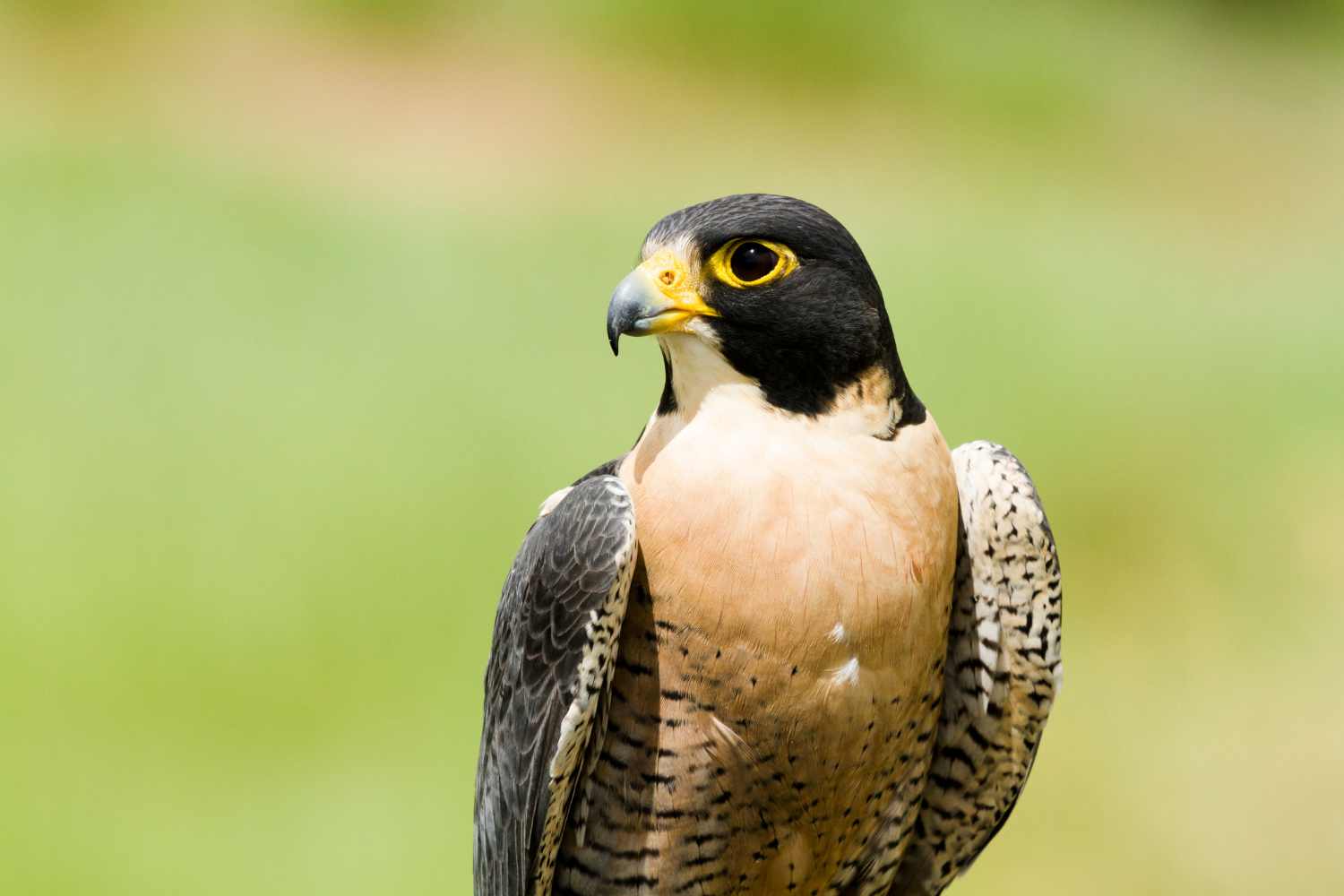
The Tabernas desert houses a surprising variety of animal and plant species, adapted to a hostile environment thanks to sophisticated survival mechanisms. There fauna It is distributed differently between the mountain areas and the so -called arroyos, the dry beds of the streams, where the microclimate allows greater biodiversity. Birds stand out among the birds such as the Pellegrino Falco and the Royal Aquila, while on the escarpments they nestle, gheppi, Colombelle and the notebook nested. Along the seasonal waterways there are also aquatic and sparrow birds, attracted by the restart vegetation, while at the sunset, the scene changes: red foxes, real owls and owls take possession of the territory, chasing small mammals such as wild rabbits and rodents.
There is no shortage of reptiles and amphibians, such as the ocellate lizard, the billy Colubro or the Iberian green frog, which find refuge at the rare pools of water and in the most humid areas. The desert also hosts one of the last European colonies of Greek turtles, especially threatened by the progressive disappearance of its habitat.
From the point of view botanistthe vegetation of Tabernas consists of plants perfectly adapted to drought. Some, such as salicornia or prickly pear, exploit the ability to retain water; Others rely on very short vegetative cycles, blossoming only after the rare rains. Endemic species such as theEuzomodendron bourgeanumdating back to the Jurassic, coexist with gorse, tamers, oleanders and numerous aromatic herbs, while small groves develop near the oasis that offer refuge with pollinating insects and migratory birds. A fragile balance, shaped by millennia of adaptation, which makes the Tabernas desert an ecosystem with an invaluable ecological value.
Activities and Adventures
The desert offers numerous opportunities for lovers of adventure and nature:
We recommend that you take part in guided tours, since access not accompanied to some areas is prohibited for safety and conservation reasons.
How to get there
The Tabernas desert is easily accessible from the city of Almería, located about 30 km away. The area is served by well-kept roads, such as the N-340A, and Almería airport offers multiple connections with different European cities.
A cultural heritage to be preserved
In 2020, the Tabernas desert was declared “Treasury of European film culture” by the European Academy of Cinema (EFA), which recognized the Extraordinary role of the site in the history of cinema. A recognition that underlines the importance of preserving and enhancing this special landscape, which continues to inspire artists and visitors from all over the world.
The Tabernas desert represents a perfect fusion of nature, history and film culture: making a trip to this corner of Sahara in the heart of Spain ensures an unforgettable experience, where the beauty of the landscape and great biodiversity meet the echo of the legends of the big screen.
