
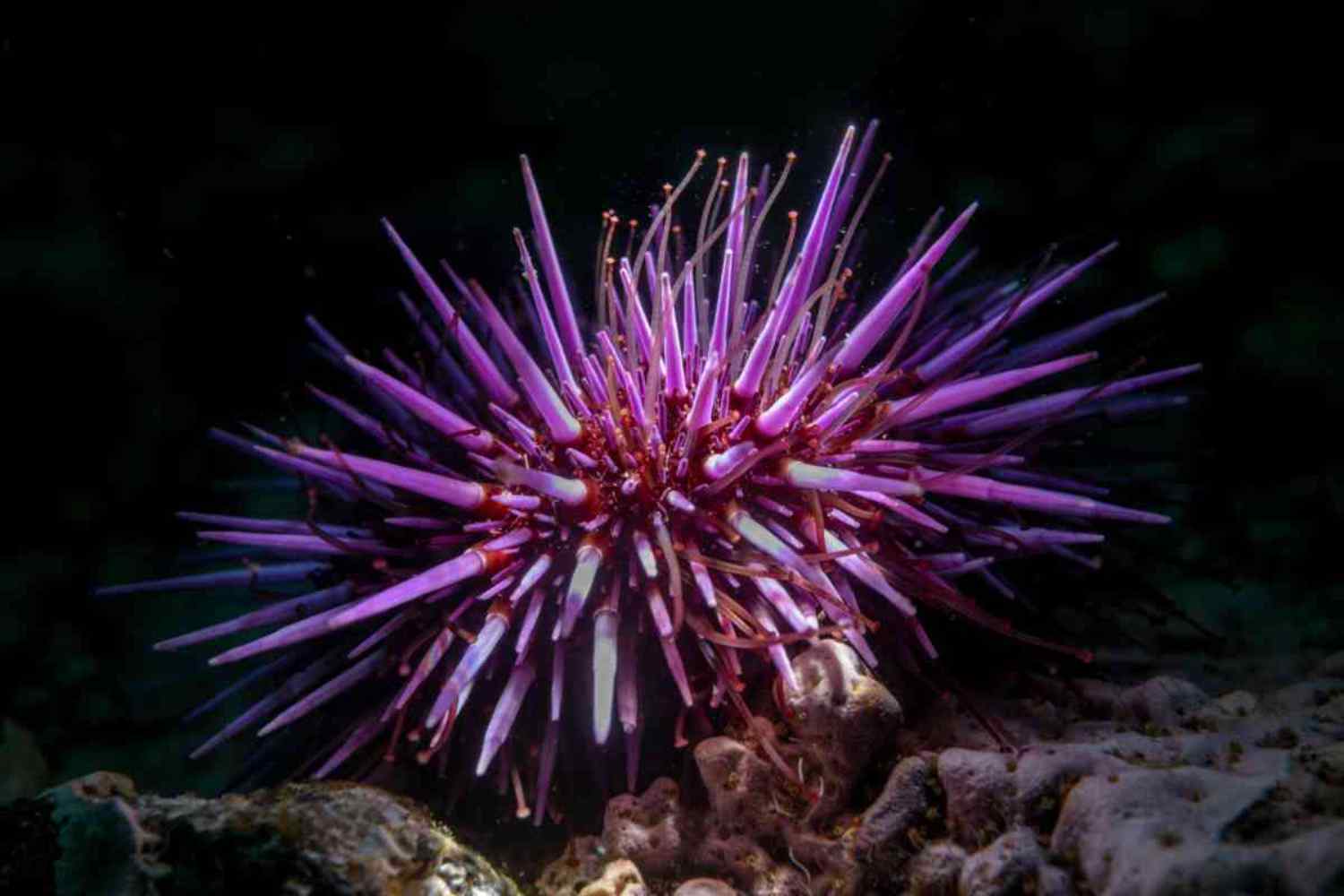
The Viola sea curlscientifically known as Paracentrotus lividusis facing a dramatic decline that puts not only his risk survivalbut also the balance of marine ecosystems of the Mediterranean Sea. To launch the alarm was one international study Published on the prestigious magazine Nature – Scientific Reportswhich documents the progressive disappearance of this key species for biodiversity and the economy of the Mediterranean coast.
The research was led by a multidisciplinary team coordinated by Professor Stefano Piraino, director of the Department of Biological and Environmental Sciences and Technologies of the University of Salento. The project is part of the activities of the National Biodiversity Future Center (NBFC) activities and also involved Arpa Puglia, the University of Palermo and the University of Malta. The results are the result of Intensive monitoring carried out in the summer of 2023 along the coast of Puglia and Sicily.
The surveys showed one Average density of less than 0.2 individuals per square meteran extremely alarming fact that suggests a real ecological collapse. Even more worrying is the fact that, a sign that current conservation measures are not effective in containing the phenomenon.
The causes of this decline
According to scholars, the above the speciescombined withIncrease in water temperatureis playing a decisive role in this crisis. A’Heat wave of 2003 and a progressive Mediterranean heating They were identified as the key moments of the beginning of the decline, according to a meta-analysis based on data collected in the last thirty years.
The researcher Andrea Toso, the first author of the study, underlined how the sea urchin represents a Fundamental ecological indicator. His disappearance puts at risk not only a typical Mediterranean gastronomic resource, but also reflects a profound environmental imbalance.
The appeal of scientists is clear: they need Urgent and targeted actionssuch as the strengthening of environmental monitoring and the adoption of sustainable fishing policies, capable of taking into account also the effects of climate change. The risk, otherwise, is to lose forever a species that has had a central role in the natural and cultural history of the Mediterranean.
