
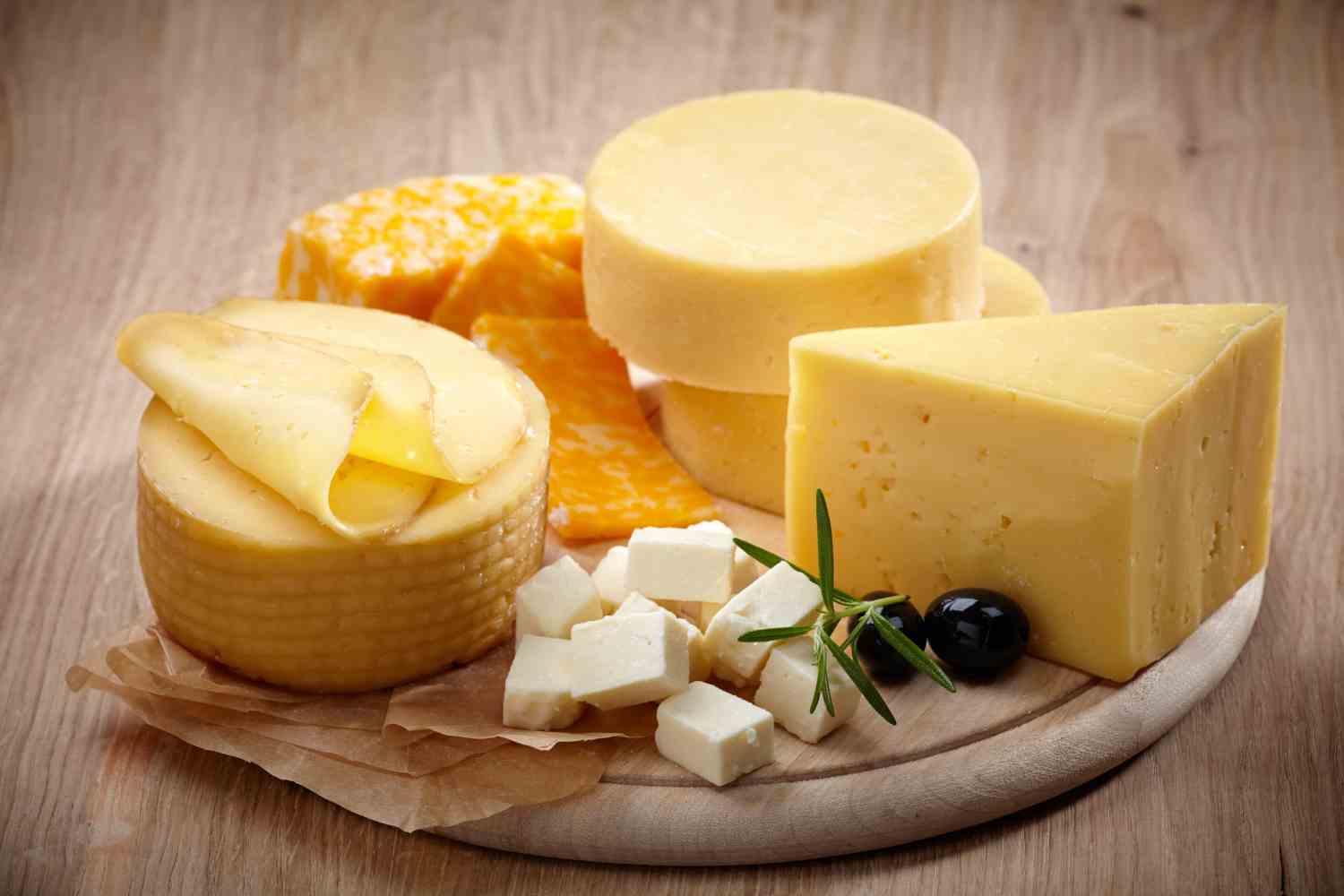
Cheese is a product obtained from the coagulation of whole milk, partially or totally skimmed, or milk cream, by acid coagulation or preamic, with the addition of ferments and kitchen salt.
Types of coagulation: acid and pream
Coagulation is the process that transforms the milk into the curd, a basis for the production of cheese. There are two main types:
PRE -PERAMIC COGUATION: It takes place through the addition of rennet, a mixture of enzymes (mainly chimosine) extracted from the stomach of lactating animals such as calves, lambs or kids. This method is typical of seasoned cheeses and gives a more compact structure to the curd.
Acid coagulation: It is based on the acidification of milk by lactic bacteria, which transform lactose into lactic acid, leading to the coagulation of houses. This method is common in the production of fresh cheeses and soft paste.
Types of rennet: animal, microbial and vegetable
The rennet used in the production of cheese can have different origins:
Knowing the type of rennet used for the preparation of cheeses can be important for vegetarians who want to avoid animal rennet and for those who suffer from Lacticini intoleranceswhich could be exacerbated precisely by the presence of animal rennet within them.
What are the cheeses with animal and vegetable rennet?
The almost all of Italian cheeses with protected denomination of origin (DOP) and protected geographical indication (PGI) contains rennet of animal origin, as well as the French fees classified as AOC (appellation of origin Contrôlée) or with Label Rouge brand.
This is because the production regulations that regulate these cheeses often impose the use of traditional techniques, including the use of animal rennet, generally obtained from the stomach of lactating animals such as calves or kids.
Even when the “natural rennet” wording appears on the label, this does not exclude the animal origin of the coagulant at all: the term “natural” is not protected by a unique meaning and can refer indifferently to animal, microbial or vegetable rennet.
For this reason, vegetarian consumers or anyone who wants to avoid animal rennet should verify directly with the manufacturers the real nature of the rennet used. Only in this way is it possible to make informed and consistent choices with your own food and ethical needs.
Dop cheeses
The list of Italian DOP (Protected Origin Denomination) list includes:
STG and PGI cheeses
Among the Italian STG cheeses (traditional guaranteed specialty) the Mozzarella. Mozzarella can be prepared with animal rennet or with microbial rennet. To know exactly it is necessary to contact the producers.
Among the IGP cheeses (protected geographical indication) we find the Canestraio di Molitemo. IGP cheeses contain animal rennet.
The website of the Ministry of Agricultural Food and Forestry Policies reports the updated list of all Italian STG, IGP and Doc products, including cheeses.
French cheeses AOC
French cheeses AOC (Appellation of Origin Contrôlée) they contain animal rennet and include products derived from cow’s milkincluding:
Consult the onlinelist of the French vaccine cheeses AOC.
Among the AOC French cheeses obtained by goat or sheep milk they find:
The list of French cheeses obtained from goat milk, sheep and cow continues here.
Cheeses without animal rennet
The more complex is the discourse of cheeses without animal rennet. Some conventional cheeses may contain both animal rennet and microbial rennet, but the unique wording of “rennet” is usually reported on their packs.
These cheeses are produced using alternative clots to the animal rennet:
