

June pruning is of particular importance in the calendar of the expert gardener. It is not simply a matter of cutting excess branches, but a delicate art that requires knowledge, timing and respect for the natural cycles of plants. This period of the year offers the perfect opportunity to model the growth of many species, eliminate damaged or sick parts, and stimulate new blooms for the following season.
During these sunny days, the garden becomes our personal refuge to relax and contemplate the fruits of our work. But behind this apparent tranquility a moment of intense activity is hidden for those who know how to seize the opportunities that the season offers. June represents the last useful window to prune different species of early flowering shrubs and some ornamental trees, before they start preparing the gems for the following year.
The choice of the right moment for pruning is not accidental: intervening in June means respecting the biological rhythms of the plants, allowing them to quickly heal the wounds and develop new vigorous vegetation. This respectful and aware approach translates into healthier plants, more abundant blooms and a professional and well -kept -looking garden.
(Read also: What plants, shrubs, hedges and fruit trees must you prune in May?)
June is the ideal month to prune with evergreen Berberis, Globosa Buddleja, winter flowering cornioli, Magnolie, Rosmarino and Lillà. Each of these species requires specific techniques and particular attention.
We specifically discover the plants to be pruned in this month and the most appropriate techniques for each of them.
Berberis
The Berberis evergreen It requires minimal or nothing pruning to grow well. At this time of year you can put the plants in order by cutting them slightly after flowering.
The old neglected plants can be improved, removing one or two of the oldest stems.
Buddleja
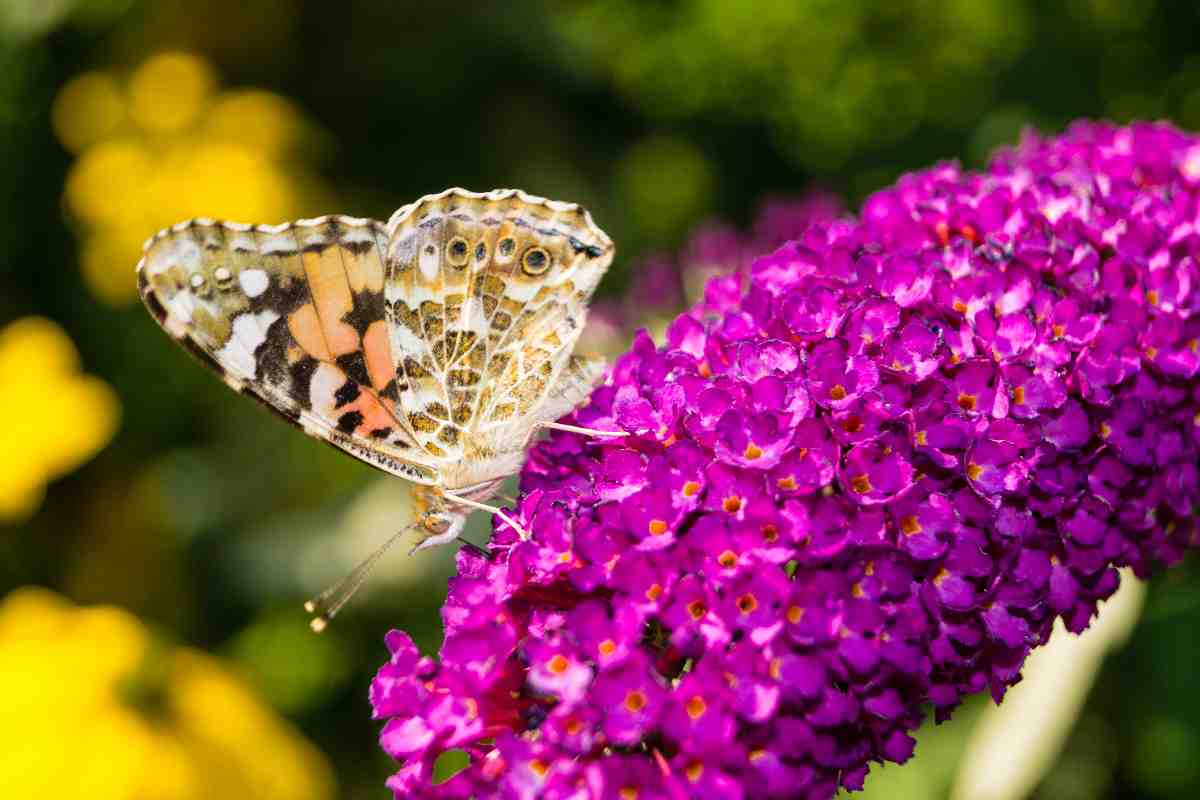
There Globosa Buddleja And the alternifolia species flourish on sprouts produced during the previous year, so they should not be pruned in the spring so as not to lose all the flowers.
For this reason it is better to prune them after flowering, that is, in the early summer and the ideal month. Remove any dead or damaged growth, and shortens the sprouts too long to balance the general form of the dear. Old and neglected shrubs can be rejuvenated by cutting.
Cornioli
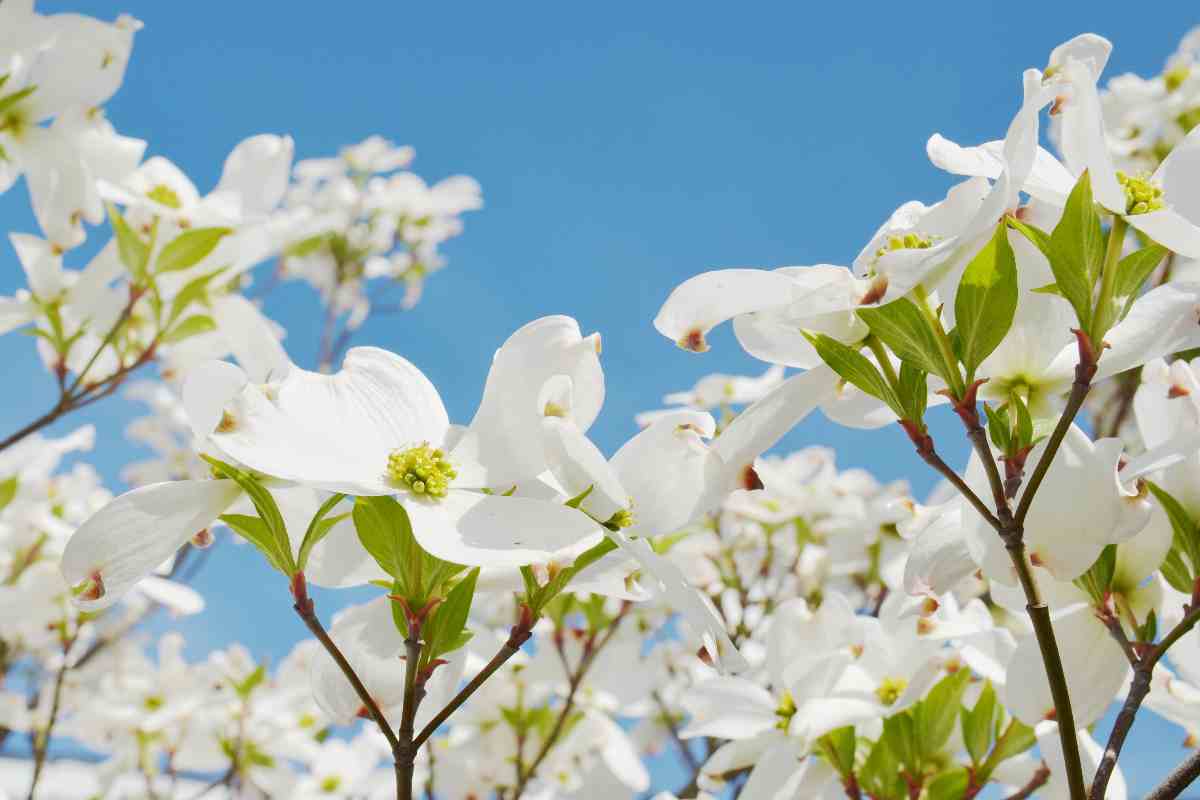
Also i Cornioli winter flowering, Cornus mas And Cornus officinalis, They are grown for their beautiful foliage and colored fruits. They require little or no pruning, in addition to the removal of the dead or damaged stems, this will encourage a much more vigorous new growth.
Magnolia
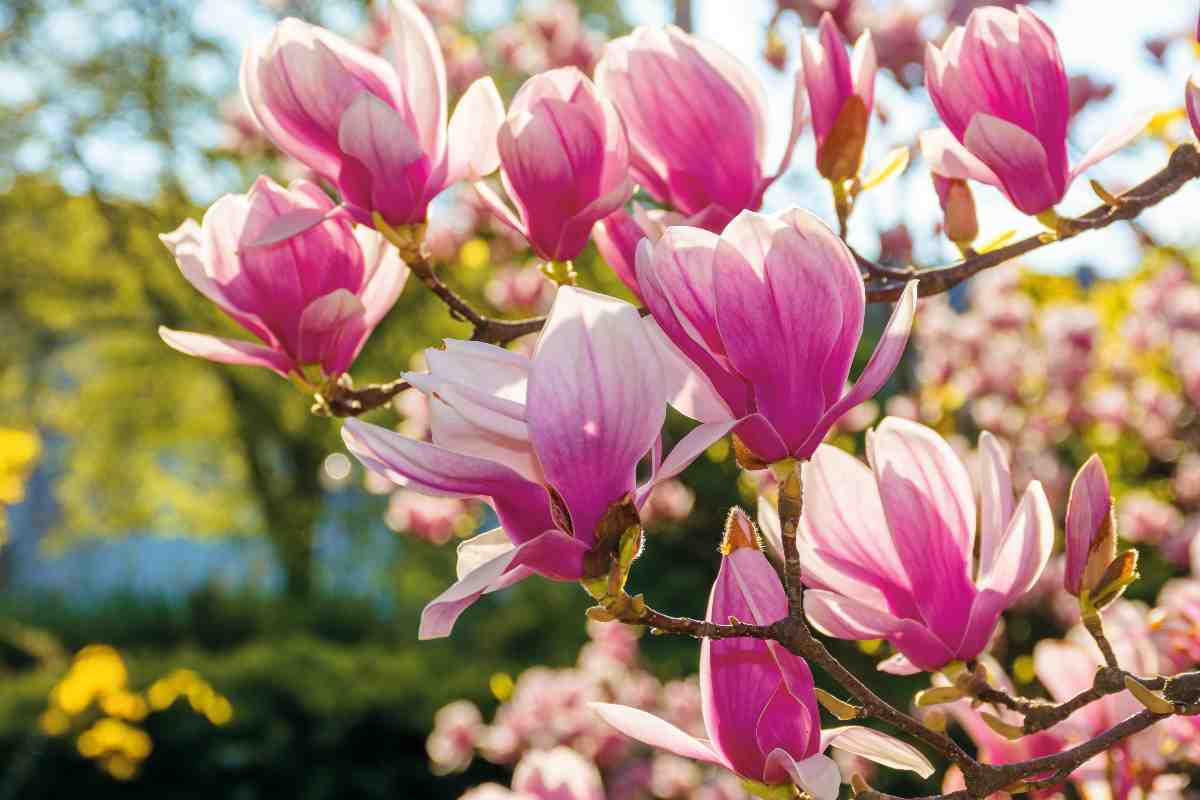
The varieties of Soulangean Magnolia, liliflora and starry can suffer when they are pruned during the sleeping season, and tend to bleed when they are pruned in the spring.
It is better to leave them until the beginning of summer, when they are full leaf. The branches of the Magnolie are fragile and subject to damage caused by the cold, then remove the dead or damaged stems.
The old and neglected specimens can be rejuvenated with more severe pruning, that is, by removing two or three of the oldest branches, but be careful to maintain a balanced and open hair. Very heavy pruning can cause flowering for some years.
Rosemary
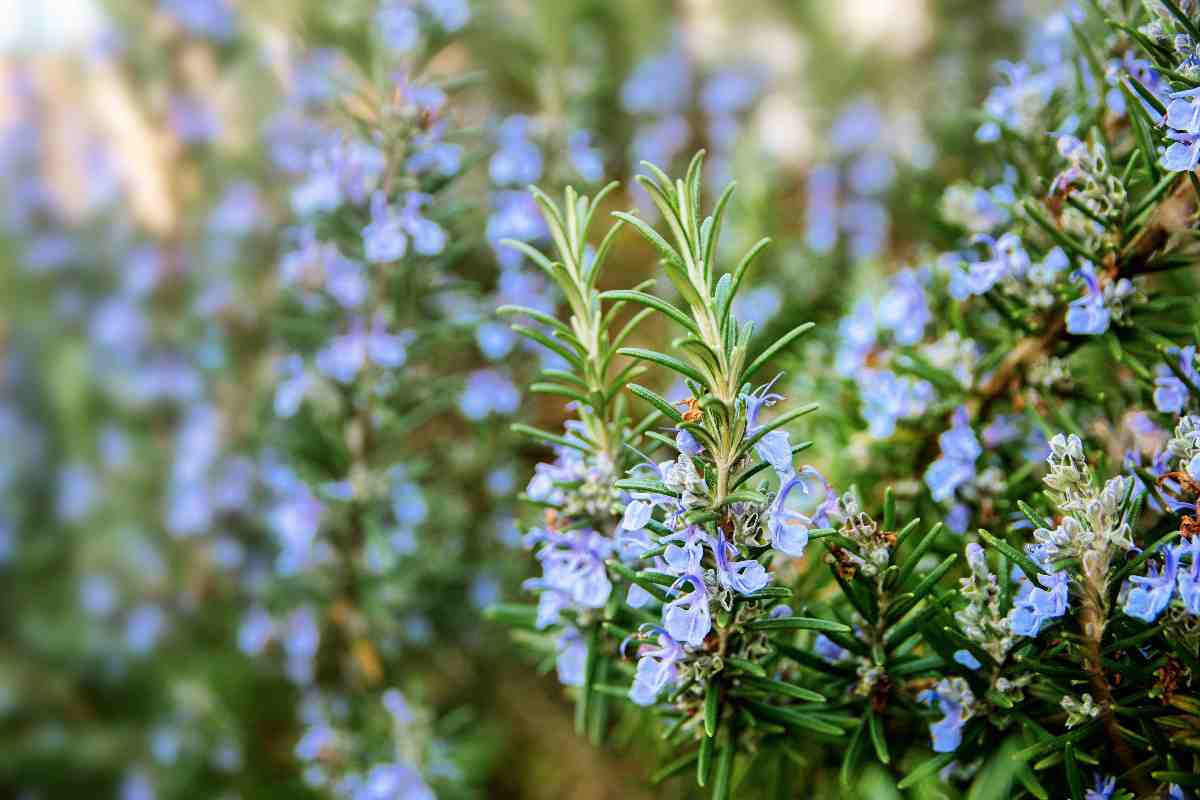
If left not pruned for many years, the rosemary It will become bare and ugly at the base and produce less flowers.
After the main flowering period has finished, remove any dead or damaged growth and shortens the lops lops or too long to balance the general shape of the dearbust.
Also in this case, old and neglected shrubs can have all the stems cut by about half.
Syringa (common lilac)
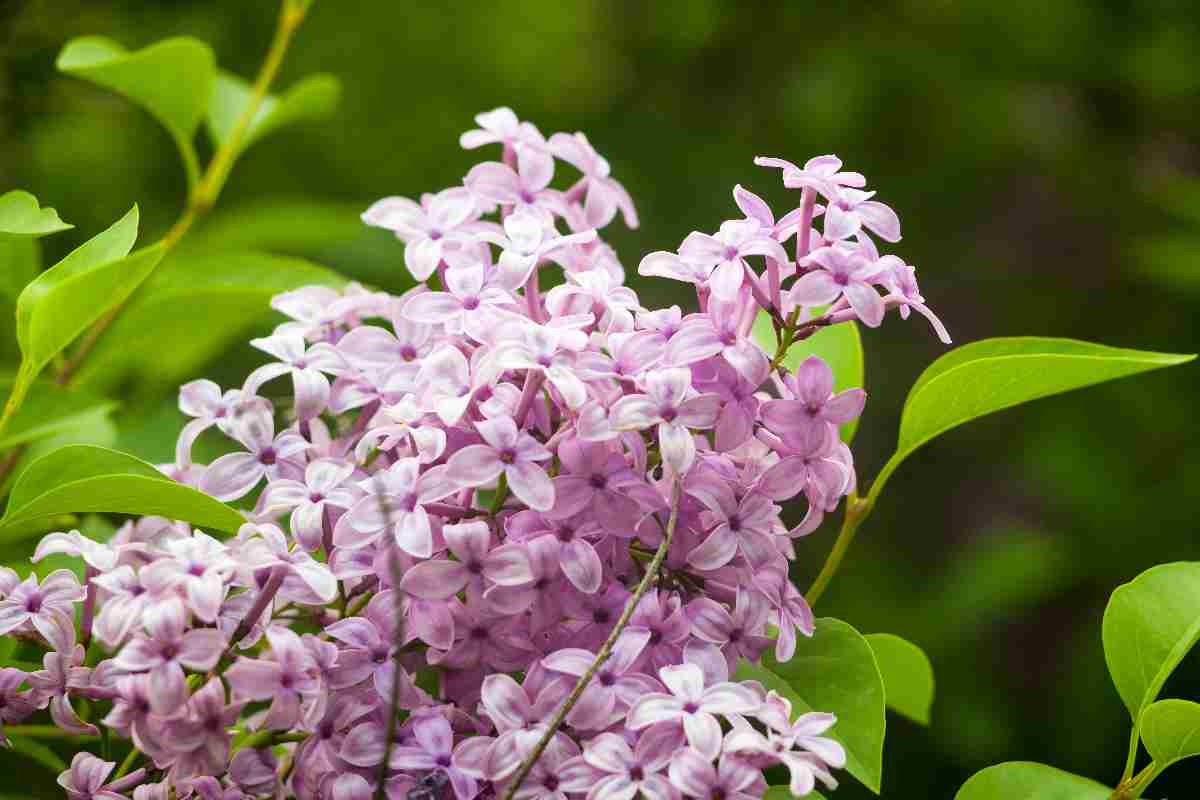
After sowing, cut the plant slightly to obtain a balanced shape. Eliminate the dead flowers, taking care not to remove the new shoots that will bring the flowers the following year.
Remove the lungs by cutting them net from the roots or main stem. Old and neglected plants can be renewed by cutting all the stems about 45 cm from the ground.
Grevillea (spider flower)
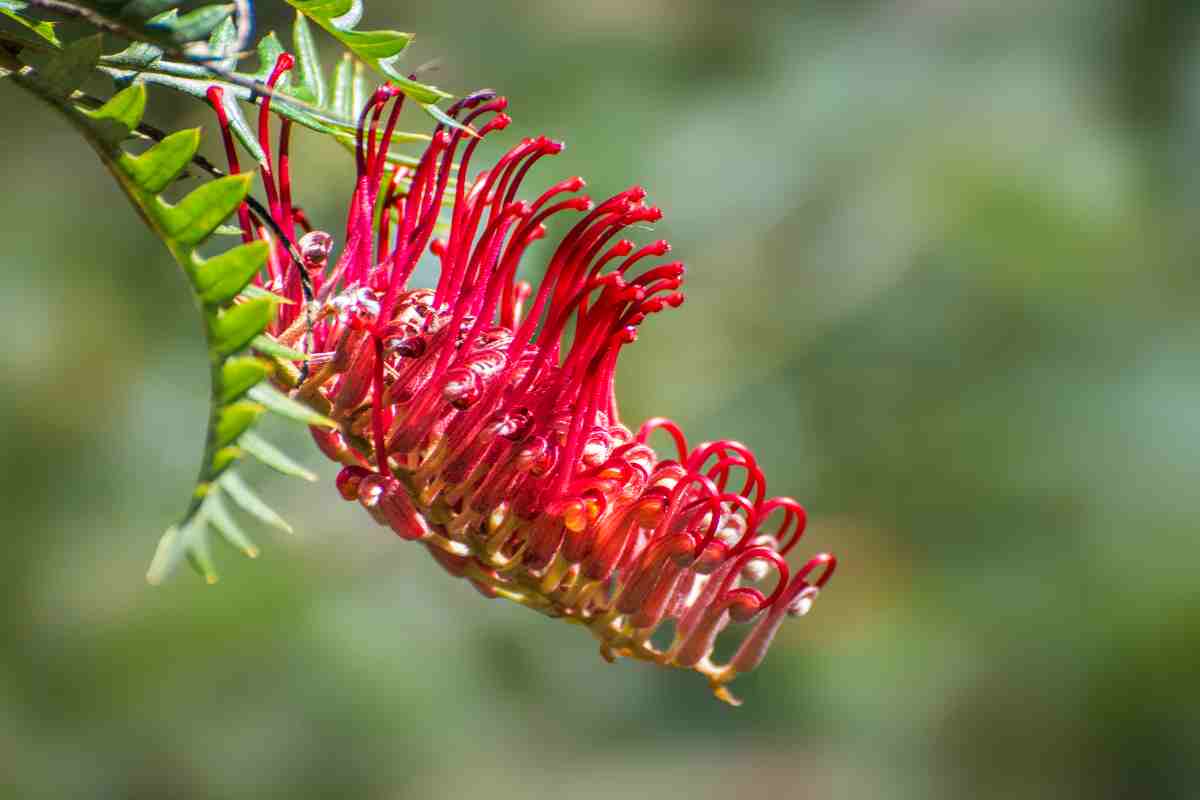
There Grevillea Robusta is a semi -resistant tree, sometimes grown as a houseplant. A small pruning is needed in early June to remove dead and damaged stems.
In addition, we recommend shorten the lateral shoots with two or three leaves in order to encourage healthy and vigorous growth.
Paulownia (fox glove tree)
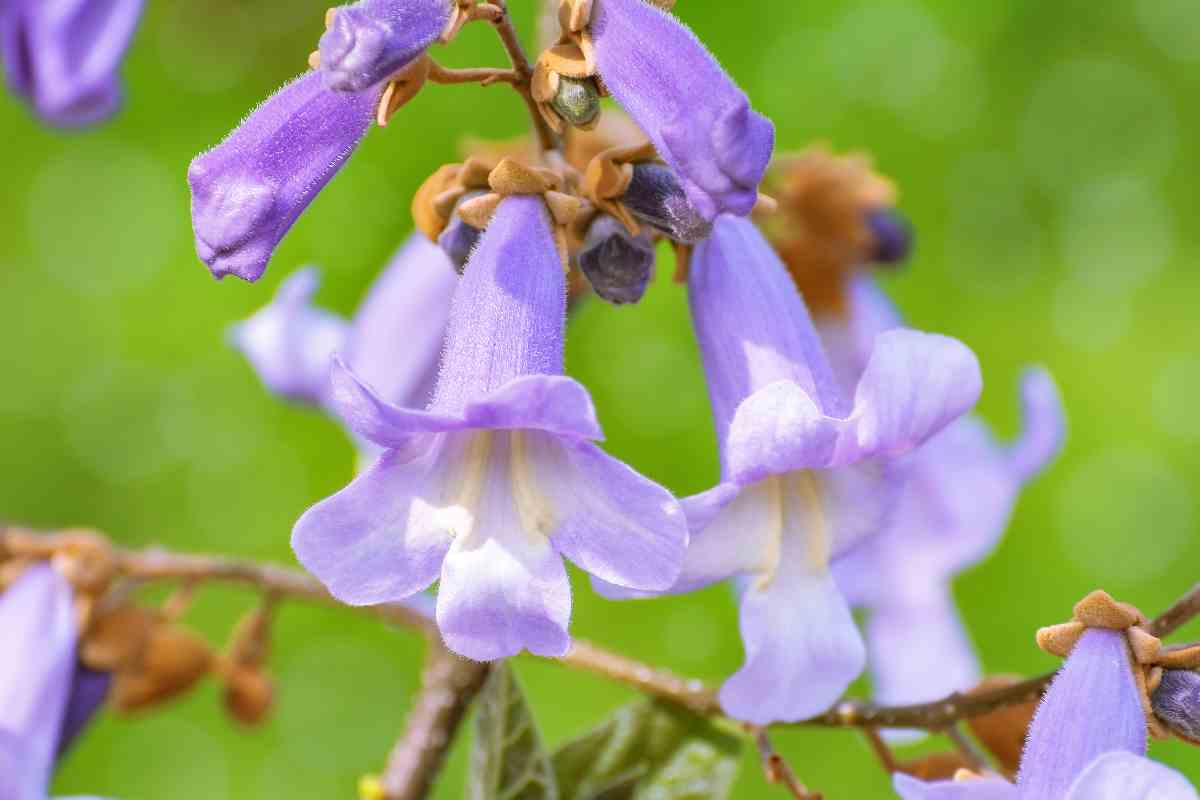
If cultivated as a tree, the Paulownia It requires a few pruning as well as the removal of dead or damaged growth in the beginning of summer.
This species also responds well to more severe pruning and, therefore, can be cut hard to encourage new vigorous sprouts and large leaves that will add a tropical touch to flower beds and borders.
You may be interested in:
