
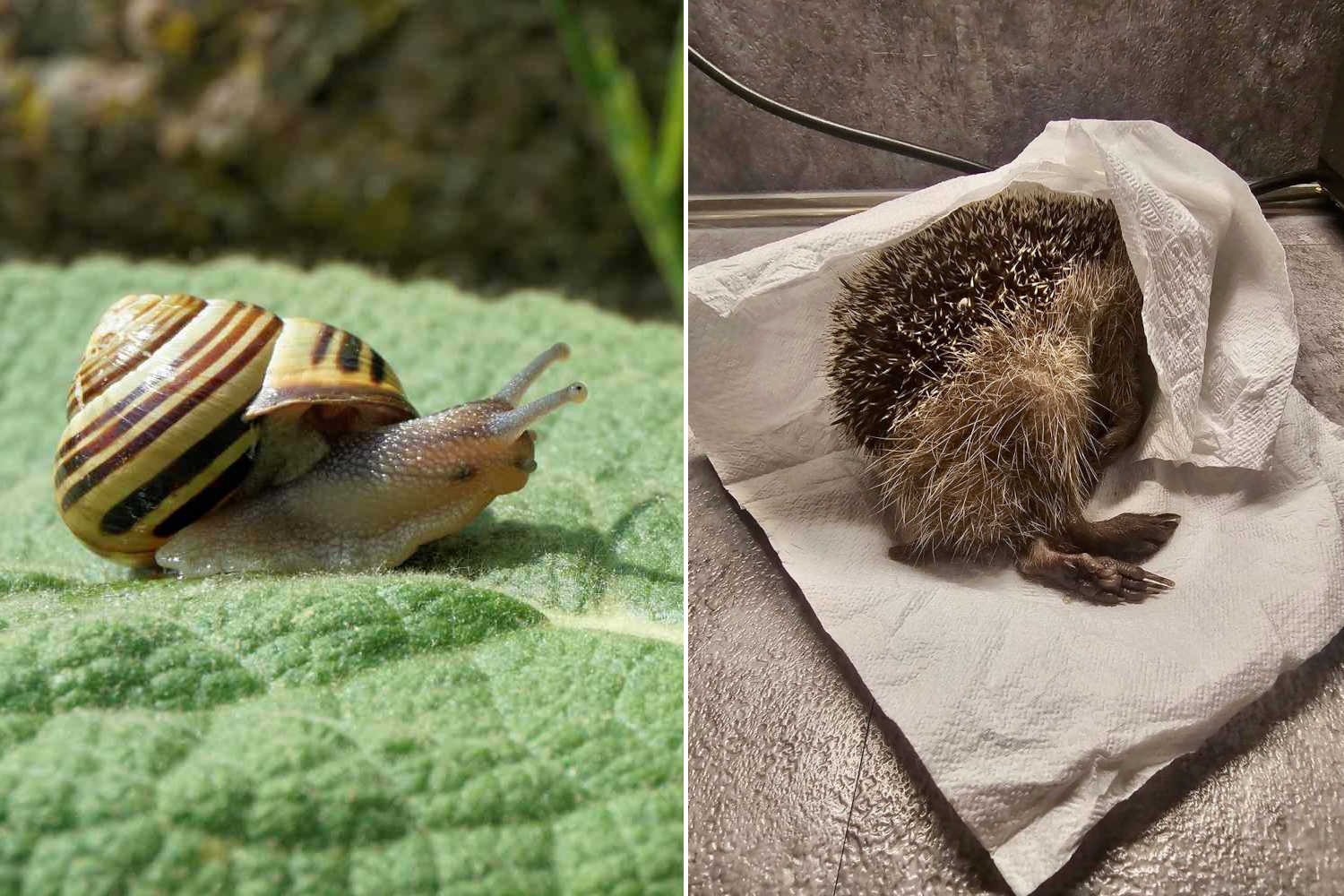
A small one is enough Bava trace on the salad of the garden to trigger the race to immediate solution. In many cases, snails are used, sold as miraculous remedies against snails and snails, without wondering what are the side effects.
One of the most popular active ingredients in these products is in fact the metaldehydeone highly toxic substance that causes serious neurological damage Not only to the target species. The problem is that the poison, once distributed, where it has spread.
It is not only the snails to ingest it, but also other inhabitants of the garden: curls, birds, frogs, turtles and even pets. The effects are always the same: spasms, convulsions, internal bleeding and, often, death. It is not uncommon for the recovery centers of wildlife to receive in a few days numerous intoxicated animalsand dramatic stories multiply.
There are natural alternatives
The paradox is evident: what is perceived as a discomfort is eliminated, only to then indignant When they suffer are creatures that are more “nice” or “harmless”. But nature does not make these distinctions, and every living being has its own role within theecosystem. The reckless use of chemicals breaks delicate balances and puts at risk Biodiversity and environmental health.
It is not just an ethical, but also legal question: in case of damage to other animal species, they can configure violations of the criminal code, in particular of the article 544which punishes those who cause the death of animals in a cruel or unnecessary way.
Fortunately, the natural alternatives They exist and are within everyone’s reach. Some plants emit aromatic essences unwelcome to parasites: garlic, nettle, mint, rosemary, sagebut also Basil, chilli and fennel they can be used to create some Macerati repellents. Just sprinkle the affected areas to obtain a cleansing effect without sail spreads.
Choosing more respectful methods does not mean giving up the protection of crops, but taking a step towards one more aware coexistence with the environment. Every small gesture counts and the first step is precisely to look at our vegetable garden with different eyes: not as a battlefield, but as a Ecosystem to be protected.
