
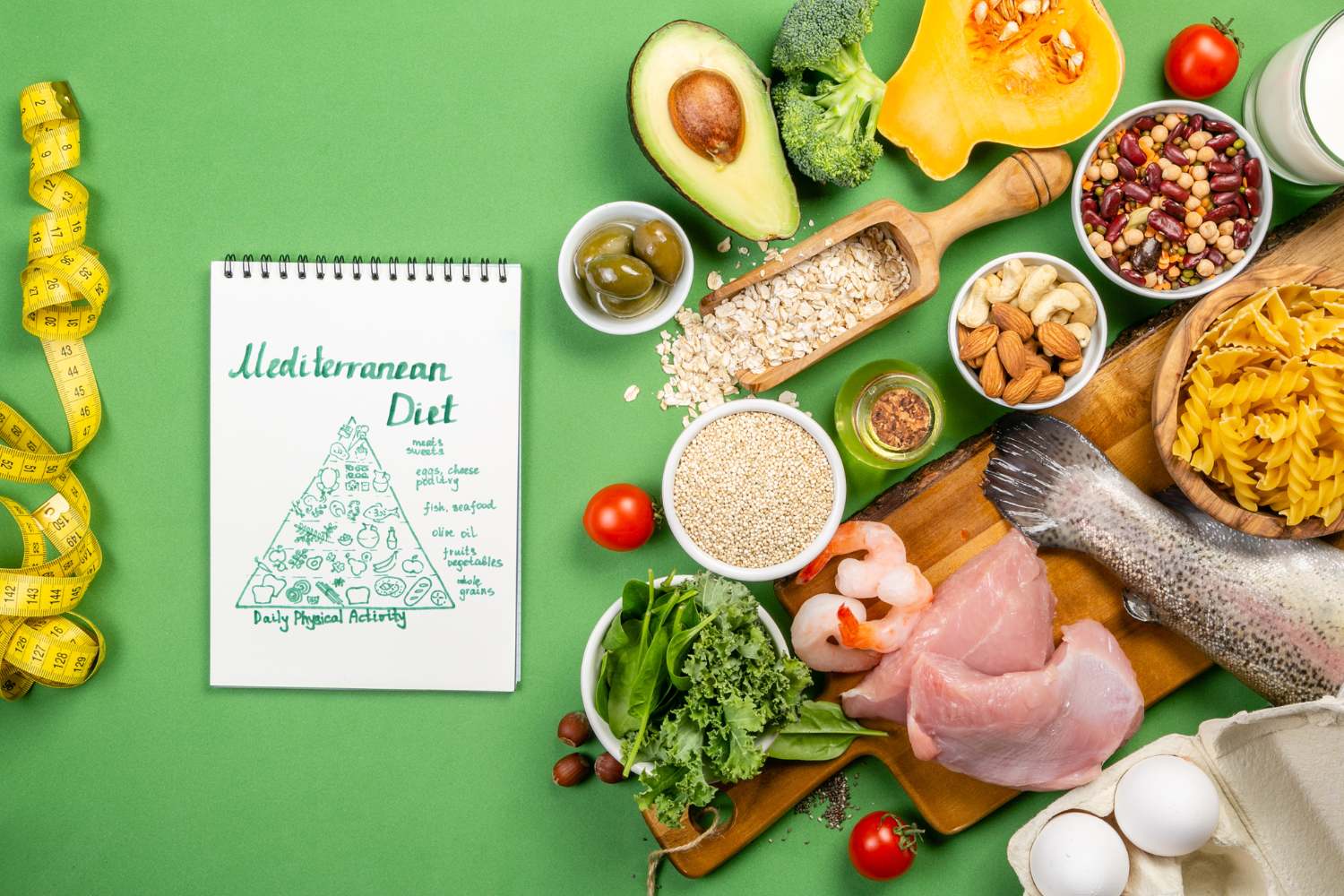
There Mediterranean diet It is not only a way of eating, but a real lifestyle that integrates traditions, knowledge, biodiversity and respect for the territory. Now, 15 years after recognition as an immaterial cultural heritage of UNESCO, the Italian Society of Human Nutrition (Sinu) has presented a new version of the food pyramidwith the aim of promoting greater adherence to this model, especially among young people, and promoting healthier and more sustainable choices.
The new pyramid of the Mediterranean diet maintains traditional bases but lays greater emphasis on consumption of plant foodsa more clear reduction in red meat and a strong reference to environmental and cultural sustainability.
Because it was necessary to update the food pyramid
Despite the many recognized benefits of the Mediterranean diet – including the reduction of the risk of mortality and the prevention of chronic diseases such as diabetes, cardiovascular pathologies, cancer and neurodegenerative diseases – adhesion to this food model is falling, in particular between children and adolescents.
The data is worrying:
The same trend is also observed in adults and Sinu has identified several factors that hinder the adoption of the Mediterranean diet, including overweight and obesity, poor responsibility in the purchase and preparation of meals, limited time for cooking and practical difficulties in preparing vegetable dishes.
Social conditions also affect: adhesion is greater when parents have higher education, a higher income, and family meals or school are shared.
The new food pyramid: what really changes
The update of the food pyramid is based on new scientific evidence and international guidelines, but above all confirms the already known principles of the Mediterranean diet, with greater emphasis on:
Moderate consumption Of:
Reduction of:
Attention also to:
What to eat according to the new pyramid: practical list
Here’s how a diet inspired by the new pyramid should be composed:
