
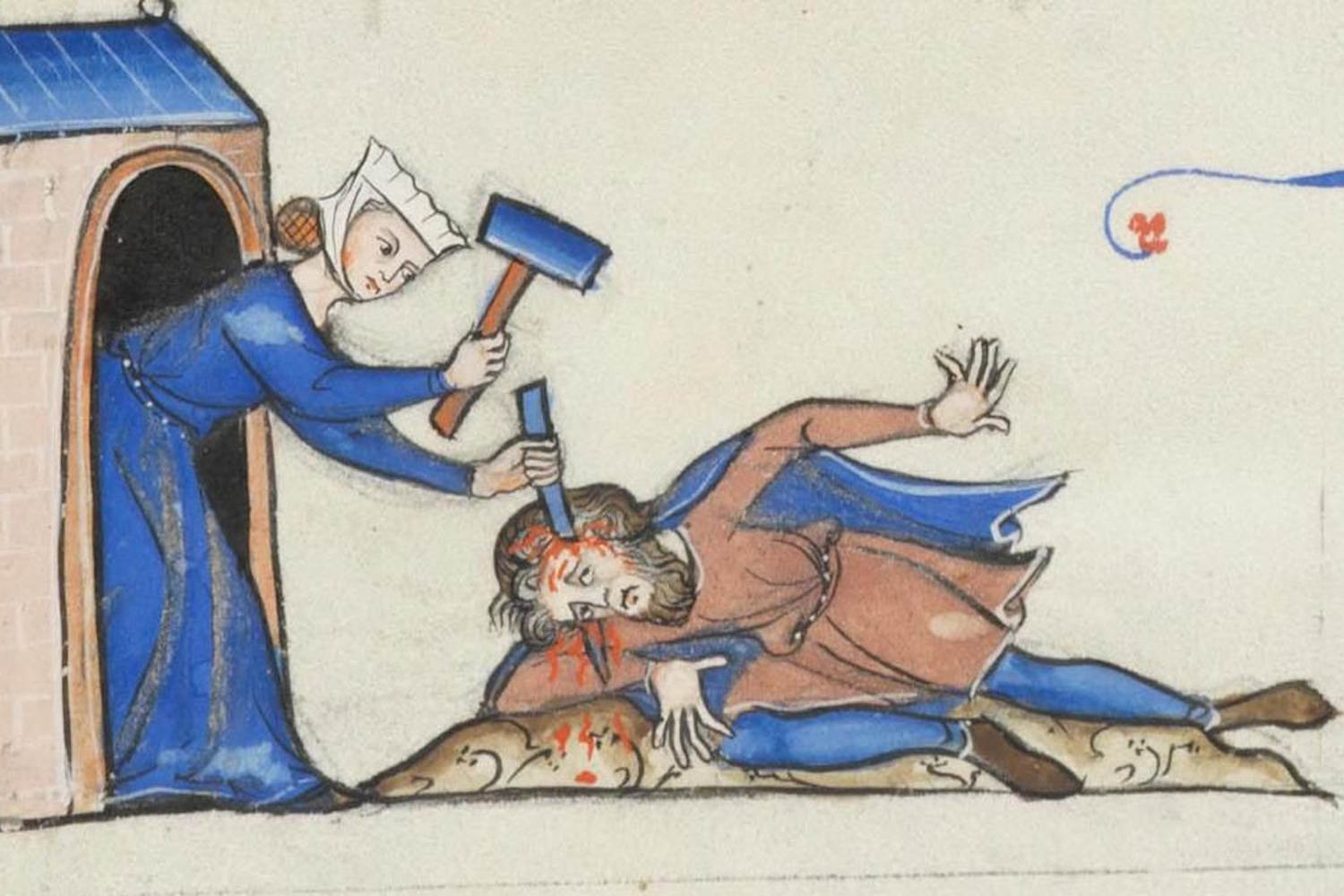
THE’murder of the religious John Forde In 1337 was orchestrated for revenge from a noblewoman who had been inflicted years of penance after the archbishop of Canterbury He had discovered that the priest was his lover. He discovered it, well seven centuries later, Manuel Eisnercriminologist of theCambridge University (United Kingdom). It is never too late to know the truth.
The project
The case is among the hundreds cataloged by the project Medieval Murder Maps of the British University, a database on non -natural deaths in England during the fourteenth century, which in particular traces the crime scenes based on the translations of the coroner registers, mainly dating back to the 14th century. The project produced maps for London, Oxford And York up to today.
Writings in Latin, the registers are recordings of sudden or suspicious deathsexamined by a jury of local men, convened to ascertain the facts and reach a verdict, a pillar of medieval justice. Most of the juries consisted of a dozen mensome of which witnesses.
The John Forde case, 1337
Jon’s murder is perhaps a very particular case because it presents some implications that could help researchers reconstruct other events of the period. The jury in this case was composed of 33 menone of the highest numbers among all the murders mapped by the project, demonstrating that this was considered a High profile case.
The documents traced suggest that the murder of John Forde In 1337 it was a murder of revenge orchestrated by a noblewoman, Ela Fitzpaynewho had to undergo years of humiliating penance from the archbishop of Canterburywho had discovered that the priest was his lover.
A letter written by the archbishop five years earlier accuses, in fact, the aristocrat of numerous adulterersincluding the one perpetrated with John Fordeand the intimate to undertake walks of shame barefoot through the cathedral of Salisbury.
Another show instead that at the time of these accusations, the woman conspired with her husband and the same Forde To guide one gang of extortion Which broke into an ecclesiastical priory, making irruptions in the buildings and taking the cattle hostage.
Although explicit connections still remain unclear, the documents suggest that the religious went from being a member of the criminal gang of Ela Fitzpayne and perhaps also from being his lover, to be assassinated, slaughtered in a busy London road. The material executors of the murder would have been the woman’s brother and two other recent servants.
But there is more: in fact the assassination, carried out near the Saint Paul Cathedral While the crowd crowded in the late afternoon, it was perhaps one brutal demonstration of strengtha way to remind the clergy the power of nobility and that Ela Fitzpayne Don’t forget or forgive.
We are examining a murder commissioned by a prominent figure of the English aristocracy – explains Eisner – was planned and consumed in cold blood, performed by a family member and close collaborators, which suggests a motive for revenge. Attempts to publicly humiliate Ela Fitzpayne may have been part of a political gamesince the Church used morality to impose its authority on nobility, with John Forde trapped between two masters. As a whole, these documents suggest a History of extortion, sex and revenge that puts the Tensions between the Church and the British elites
Reconstruction and process
The jury had recorded that John Forde He was walking through Cheapside After the Vespers, but, before sunset on Friday 3 May 1337, a confrere, Hasculph NevilleDistract Ford with a chat.
While approaching St Paulfour other men, including Hugh Lovellbrother of Ela Fitzpayneattacked Forde: Lovell He used a 30 centimeters dagger to pierce the victim’s throat, while two other men, Hugh Colne And John Strongwhich until recently had worked for the Fitzpaynestabbed him to the belly.
The jury, which included a manufacturer of rosaries and a chapel, identified all the killers, but declared that he did not know where they were. He also noticed that i Fitzpayne they were in one Faida longtime with Forde.
Despite the names of the killers and the clear knowledge of the principal, when it comes to pursuing the culprits The jury closed an eye – says Eisner – A family of the highest nobility, and apparently nobody knew where they were to process them. They claimed that Ela’s brother had no goods to confiscate. All improbabletypical of class justice of the time
The former servant of the Fitzpayne, Colneon the other hand, was incriminated five years later, in 1342, and imprisoned a Newgatethe only accusation presented in case.
Because the murder was so important “
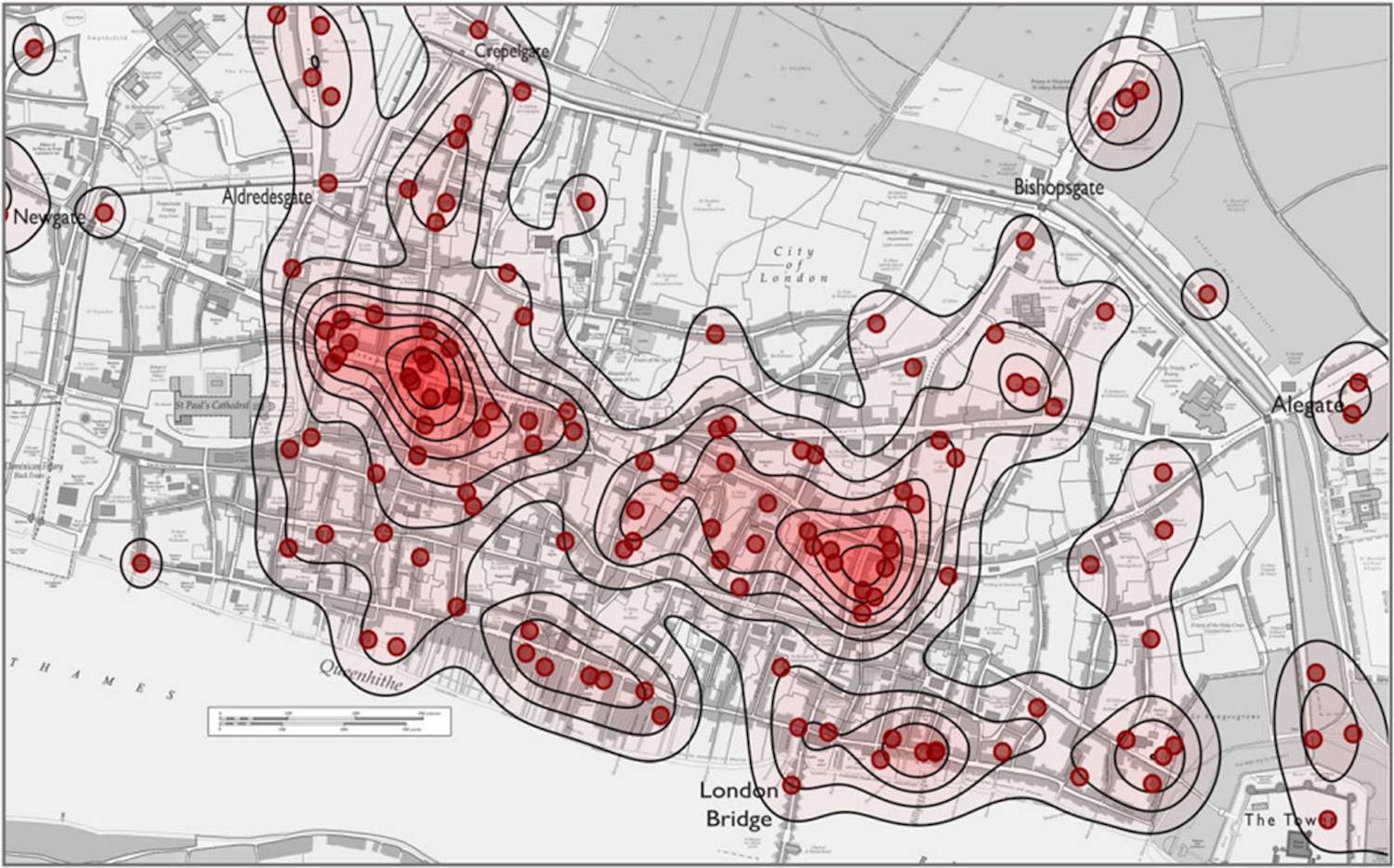
The area of WestcheapWhere Forde it was assassinated, it was The most important “hot point” for the medieval murders of London. In fact, it was the home of numerous markets, taverns and breweries, and many powerful corporations, such as that of goldsmiths and saddles, a commerce and bold center of commerce, where events could escape hands.
Among the main triggering factors of violence in Westcheap there were quarrels between merchants or craftsmen and group clashes between corporation apprentices, similar to wars of territory between gangs. But the documents also show that the area was theater of several murders premeditated for revengelike the one that ended the life of the religious.
Westcheap was a place where they kept themselves manifestations of civic justicelike pillory. As a scenario of public punishment rituals, it seems that this has also included extrajudicial executions
But revenge this time was truly “political”: examining the case FordeEisner has in fact found a letter from the archbishop of Canterbury Simon Mepham to the bishop of Winchestersent in January 1332, in which it was stated that Ela Fitzpayne He had had sexual relations with knights and others, celibates and married, and even with clerics in sacr.
The punishments for his behavior included the ban on wearing gold, pearls or precious stones and large sums of money to be paid to the monastic orders and to be donated to the poor. However, the most humiliating penance was certainly one Walk of shame bare feet throughout the length of the Salisbury cathedralthe longest nave in England, bringing a four -pound wax candle to the altar, which a Fitzpayne It was said to do Every autumn for seven years.
The letter also indicates that Fitzpayne He refused and abandoned his husband, so he hid and was excommunicated. And it also orchest in Damage and thefts at priorate and other religious buildings. But it was anyway the humiliation suffered too great.
The Archbishop imposed on Ela a heavy and shameful public penance, which she seems not to have respected, but may have unleashed in her a thirst for revenge. Also because John Forde seems to be escaped the punishment of the Church
For this reason, the murder of the religious was made in public, in such a significant area for London of the time.
The style of public execution of the murder of Forde, in front of the crowd in broad daylight, is similar to the political killings to which we witness today in countries such as Russia or Mexico. Is conceived for Remember those who have control
Finally, the criminologist finally underlines the power of this woman, yes aristocratic, but still a woman lived in the Middle Ages.
A woman in the fourteenth century who plundered the priorators, openly challenged the archbishop of Canterbury and planned the assassination of a priest: Ela Fitzpayne seems to have been many things, including one extraordinary person
The work was published on Criminal Law Forum.
Sources: University of Cambridge / Criminal Law Forum
