
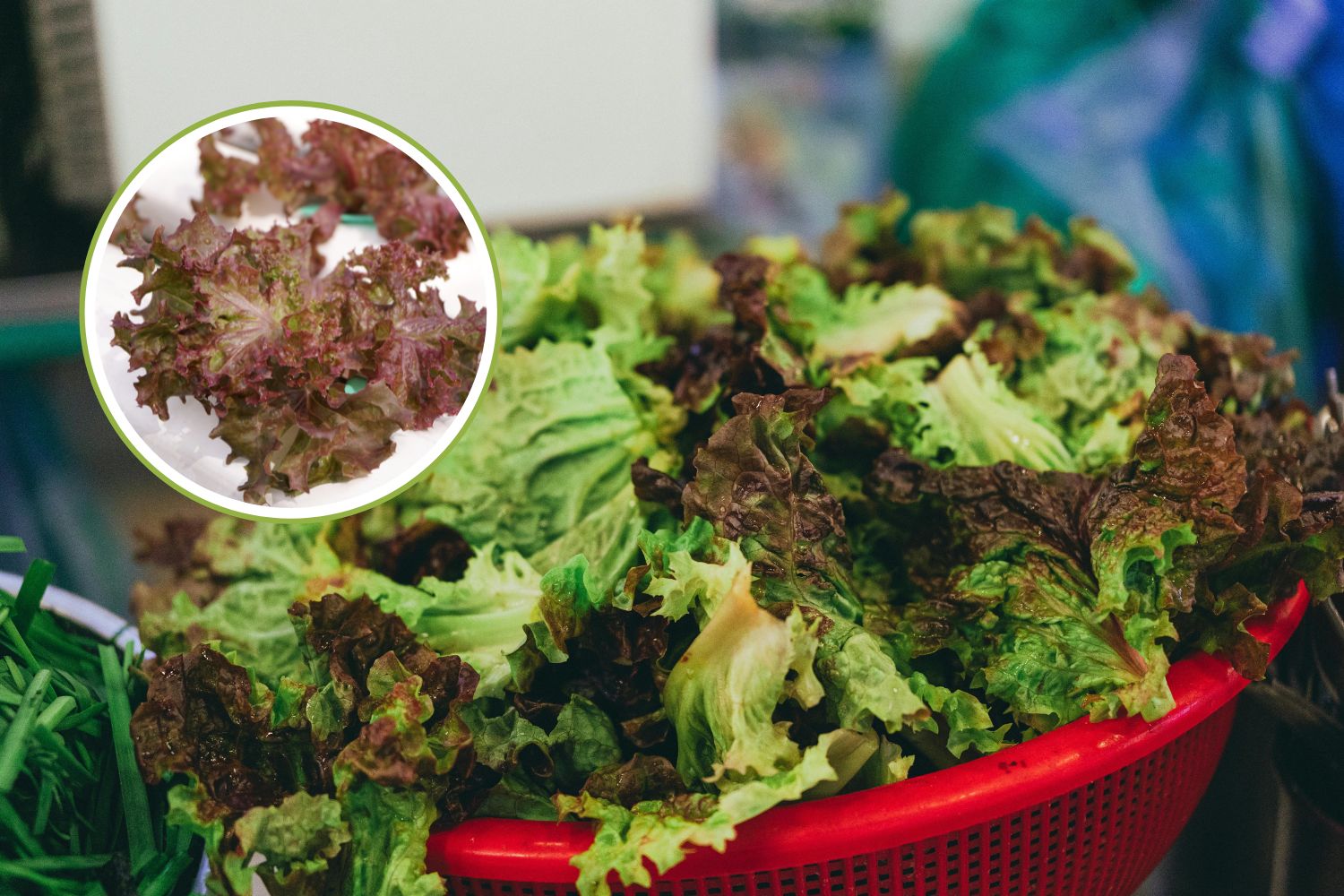
A simple cut salad, left for a few hours in the refrigerator or on the cutting board, begins to change color: The leaves that first appeared fresh and green begin to show pink or reddish shadesin particular along the cut edges. A curious phenomenon, also visible in the fourth range packs purchased at the supermarket, and which often leads us to wonder if it is a natural process or a signal of deterioration. In reality, the color turn of the chopped leaves of the lettuce is one well -known and absolutely physiological biochemical reaction: in fact we are talking about oxidationsimilar in some ways to rust in metals, but in a vegetable key.
The phenomenon of phenolic oxidation
When the lettuce leaves are cut or broken, the plant cells break. This break free a series of compounds, including known enzymes such as polyphenoloxidase (PPO) and their substrates, or the polyphenols present in the plant tissues. In normal conditions, enzymes and substrates are found in separate cellular compartments, but the cut promotes the meeting. In contact with the oxygen of the air, these enzymes catalyze the transformation of polyphenols into chinoni, highly reactive molecules that polymerize brown or reddish pigments, known as vegetable melanins.
According to a study published in the Journal of Agricultural and Food Chemistry (Tomás-Barberán et al., 1997), this process is a lot similar to the one that leads to the dusk of the apple when sliced. The color that develops, however, is not always brown: depending on the type of polyphenols and the chemical structure involved, tones closer to red, pink or purple can be generated.
A natural defense of plants
What is a simple imperfection for us, for the plant it is a real defense strategy. Polyphenol oxidation has an antimicrobial role: The chinones produced can inhibit the growth of mushrooms and pathogenic bacteria, protecting the fabrics exposed from further damage. In addition, these pigments can act from visual signals for insects and herbivorous animalscommunicating that the fabric is damaged and therefore less attractive. In this sense, viraggio to red or pink is not a sign of marching, as of a metabolic activity in progress.
Not all lettuce varieties react in the same way. Some, like the Lactuca sativa var. Romantend to develop less post-taglio colors, while others, such as the Lactuca sativa var. christpa (Riccia leafy lettuce) show an evident pink color along the cut margins. The differences depend on the concentration of polyphenols and specific enzymatic activityfactors that are strongly influenced by the cultivation conditions and the maturity of the leaves.
The role of iron and peroxidation
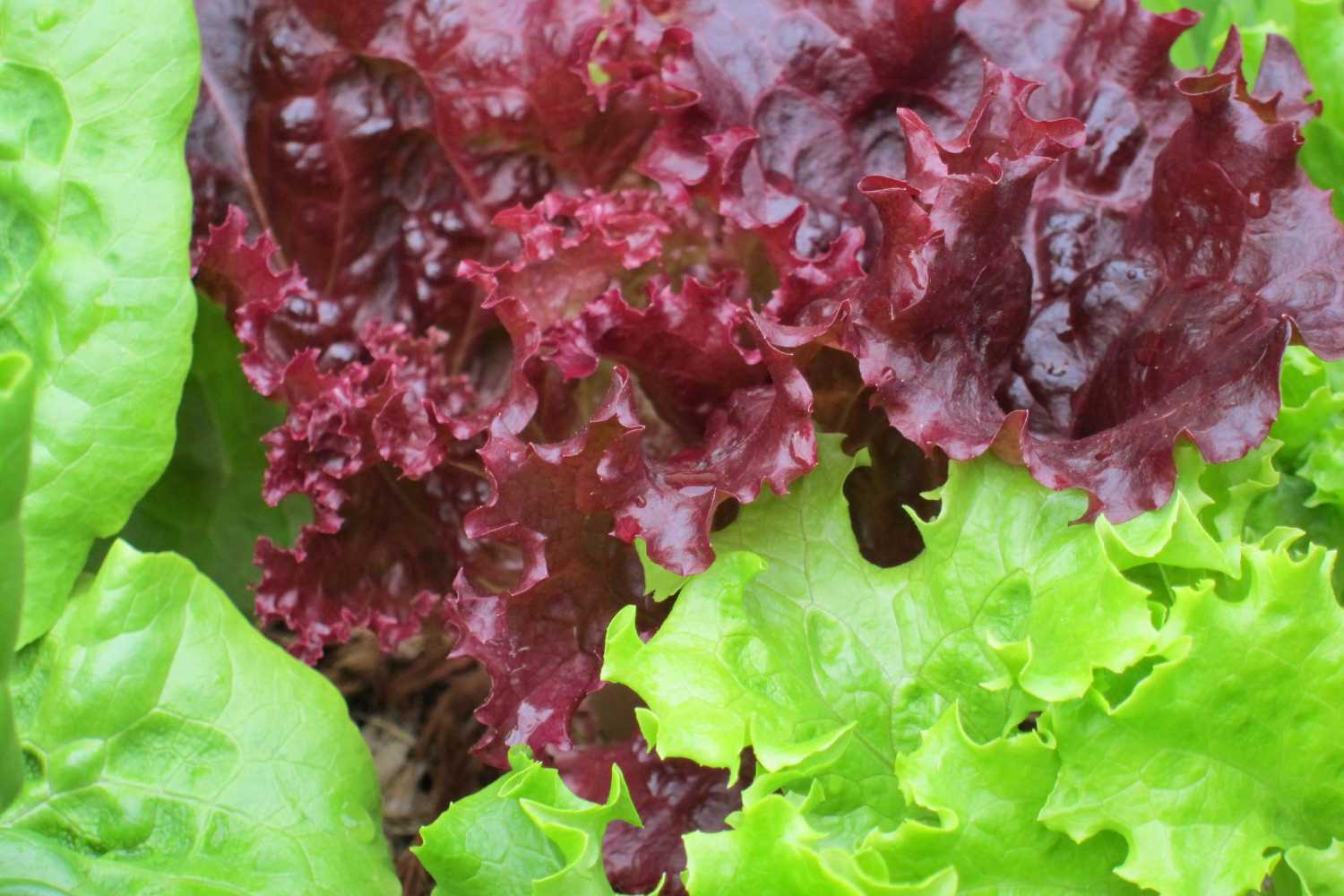
In addition to the PPO, another enzyme involved in the change of color is the peroxidase (pod)which acts in the presence of hydrogen peroxide (H₂O₂), often present in response to oxidative stress. The peroxidation of membrane lipids leads to the formation of reactive aldehydes that interact with proteins and pigments, contributing to the chromatic variation.
In some varieties, then, The presence of iron and other transition metals can further catalyze these reactionsgiving rise to shades tending to rust. The similarity with the oxidation of the metals is not purely metaphorical: they are, in both cases, of redox reactions in which oxygen acts as an oxidizing agent, modifying the structure of the molecules with which it comes into contact.
Conservation and slowdown of the process
Even if the browning or redness of the leaves does not indicate a contamination or a loss of edibility, this phenomenon can be perceived as an aesthetic defect, especially in the food industry. For slow down the oxidative processvarious strategies are used: Modified atmosphere packaging (map), refrigerationand in some cases The addition of natural antioxidants agents such as ascorbic acid (vitamin C) or citric acid.
According to a study published in the Journal of the American Society for Horticultural Science, the maintenance of a constant temperature of 5 ° C can reduce the activity of the PPO in the cut lettuce up to 70%, significantly prolonging the shelf life of the product. The relative humidity level and the reduction of exposure to light also contribute to slowing phenolic oxidation.
Don’t throw it away: it’s still good
From a nutritional point of view, a lettuce that has undergone oxidation does not significantly lose its benefitsat least in the short term. Oxidized polyphenols are less bioavailable, but the fibers, water and mineral salts remain almost intact. If the leaf has only a redness along the margins and shows no march signs (softness, unpleasant smell, mistletoe), can be safely consumed.
In the kitchen, indeed, it is possible reuse the slightly red lettuce In the preparations that provide cooking, such as soups, fillings and omelettes, exploiting their flavor still intact. A small gesture against food waste that enhances a not widespread scientific knowledge.
To conclude
The lettuce leaves that become pink or red after cutting, but react naturally to a traumatic event. The change of color is the result of a refined biochemical machinea form of vegetable rust that reveals how sophisticated the world of plants is. Understand these phenomena helps us not only to better manage foods in the kitchen, but also to look with compared to the complexity of vegetable dynamics. A lesson that, from the cutting board under a microscope, continues to surprise us.
