
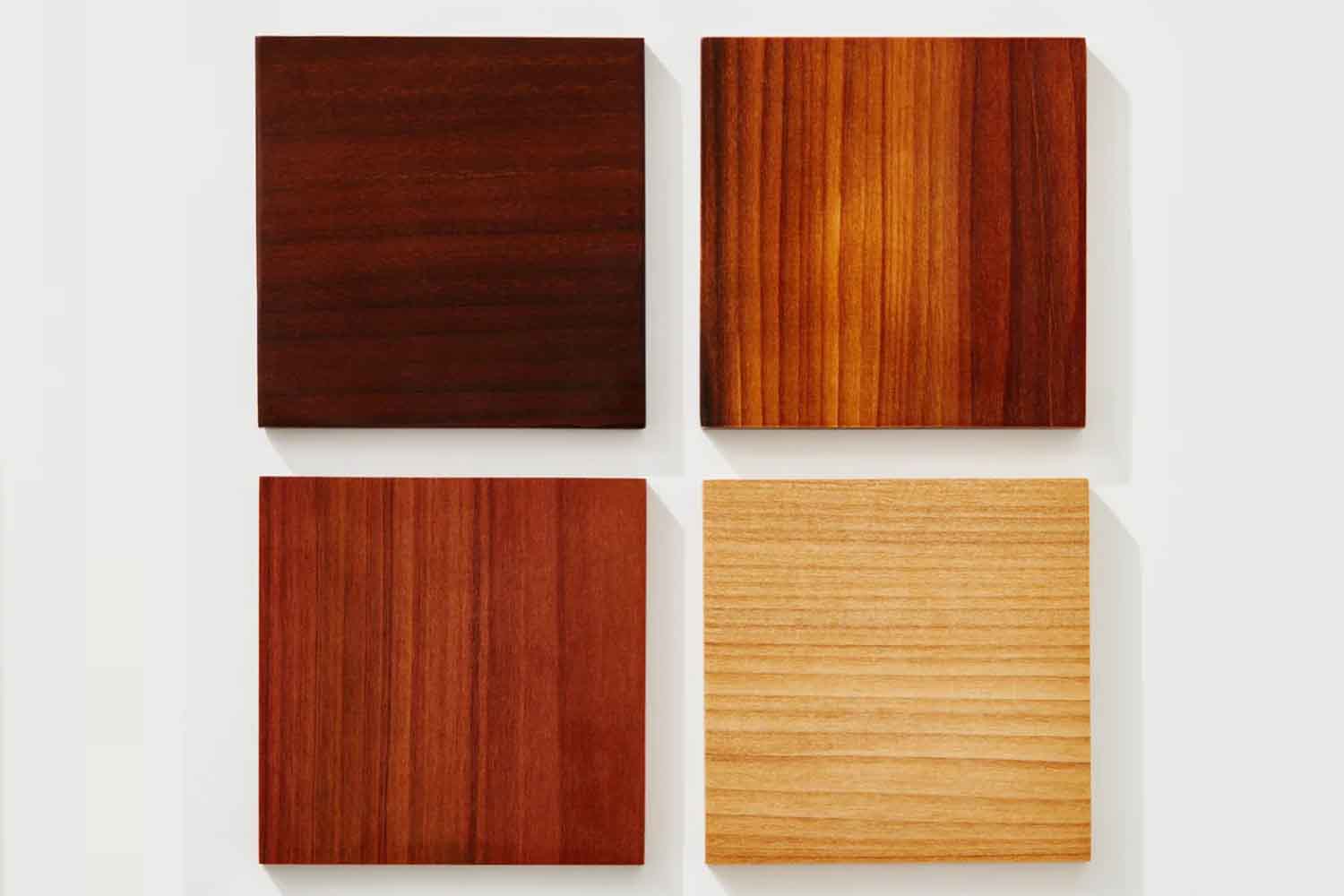
A wood capable of resisting more of steel, which does not burn, does not rot and is not attacked by insects. And that, above all, It produces 90% less CO₂ emissions. It is not science fiction, but the result of a process developed by Inventwoodan American startup born within the University of Maryland. The material is called Superwood And it promises to replace steel, cement and aluminum in many applications, at least in theory.
Superwood has one resistance to 50% higher traction compared to steelwhile weighing much less. His Resistance/weight ratio is ten times higher of that of the metal, and this makes it suitable for sectors such as construction, transport and even aerospace. It is also fire resistantdoes not fear humidity and is not affected by parasites, as he said Christina RAspokesman for the company:
Superwood can significantly reduce emissions and dependence on high impact materials. It has a concrete potential to become a global scale solution.
A chemical process that removes lignin and miglyllulose
The starting point is simple: Tender and quick growth woodslike pine or balsa. These are treated with one chemical solution based on sodium hydroxide and sodium sulphitewhich serves to Delete Lignin and Migellulosetwo components that make the wood more fragile and less uniform. However, the process leaves the cellulosethe fibrous and more solid part of the structure.
After this first phase, the wood comes hot pressed at about 65 ° Cin order to collapse the cell walls and align the nanofibrille of cellulose. This alignment allows the formation of New ties to hydrogenresponsible for the impressive increase in resistance. Although the volume is reduced only by four times, the strength of the material grows almost ten.
The result is a Compact and robust paneltwelve times more resistant than the starting wood, which does not fear fire, humidity or insects. Second inventwood, it is also durable and stable compared to traditional building materials.
The price remains the largest obstacle
The tests conducted by the company include Tensile tests, compression, impact resistance, fire and environmental degradation. All the results were superior to those of natural wood, also obtaining one Class A certification for Fire Resistance. The first applications provided? Architectural coatings, structural beams, interiors for planes and furniture.
Industrial production is about to start in a new one Factory in Frederick, Marylandbuilt with the support of a loan from $ 15 million. The goal: to produce millions of square meters of superwood per year, at least initially intended for construction.
An interesting aspect is that The process is not limited to a single type of wood. Other species may also be transformed, making technology flexible and potentially applicable everywhere.
However, there is a problem that cannot be ignored: the price. While steel costs between 1 and $ 2 per kilo, Superwood comes to 12.5–25 dollars per kilo. A difference that today makes it not very competitive on a large scale. It remains to be seen if the company will be able to Reduce costs With the increase in production or if superwood will remain a niche solution.
