
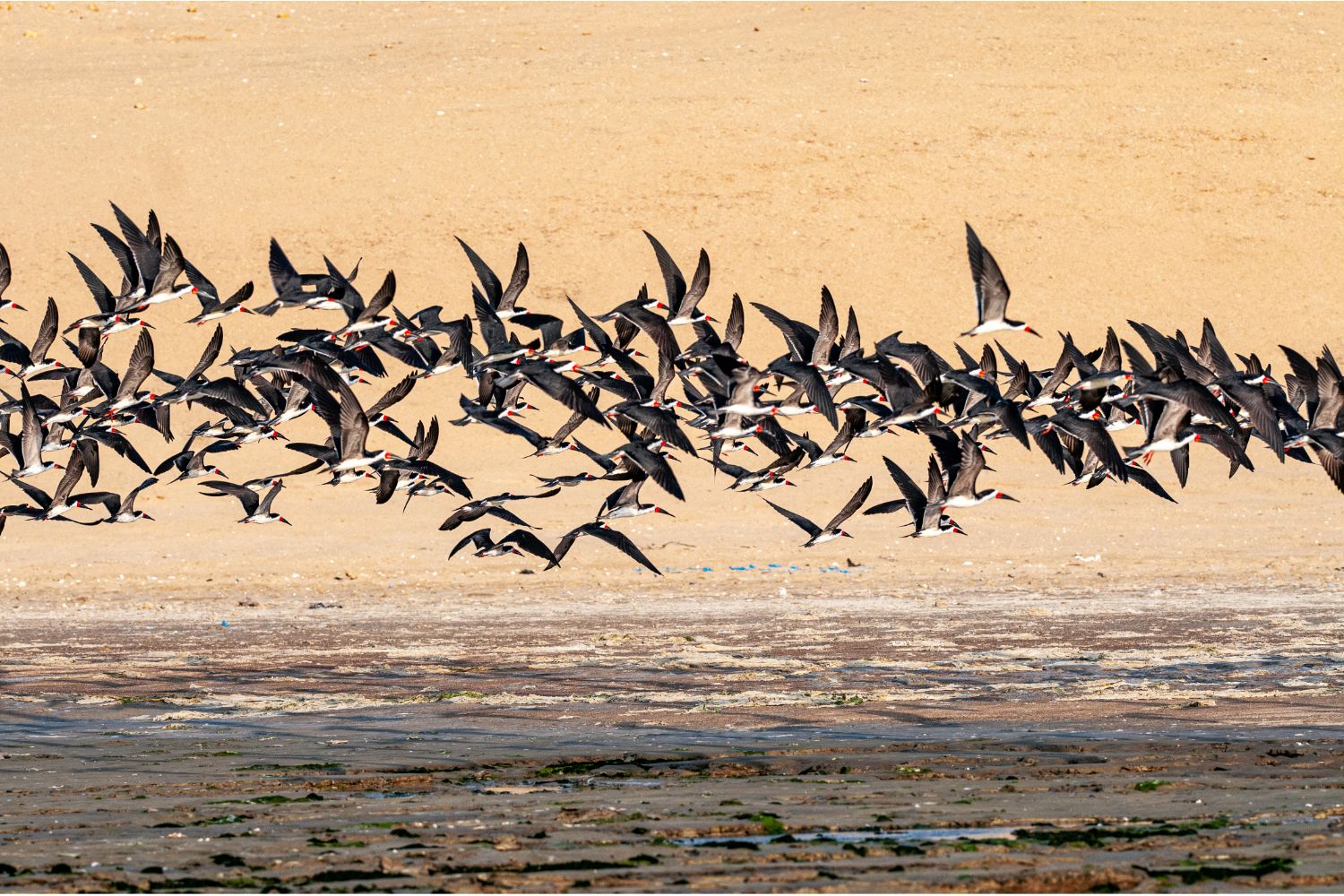
From the Bucero di Sulu to the real albatro of the South to Condor Andeino, all wonderful birds that future generations may never know. In fact, more than 500 bird species could extinguish from here to 100 years if things do not change.
It is the alarm that comes from a study, published in the magazine Nature Ecology & Evolution, conducted by scientists from the University of Reading, who have examined almost 10 thousand species of birds using the data of the red list of the international Union for the conservation of nature (IUCN), which certifies the state of danger of animal and vegetable species.
An analysis that revealed how Large birds are more vulnerable to hunting and climate changewhile the specimens with wide wings suffer more than the loss of habitat.
The study
The researchers examined the effectiveness of the different conservation strategies for the protection of the diversity of birds globally, using an approach based on the traits to predict species extinctions and the loss of functional diversity in the next 100 years.
According to the projections, in the next century (100 years), approximately 5.2% of the 9,873 existing birds are expected to be extinguished, which is equivalent to approximately About 517 species. This number is more than three times higher than the number of birds’ extinctions recorded since 1500.
The results indicate that the only reduction of threats, even if ambitious, will not be enough to prevent all the losses projected, underlining the need for targeted recovery programs. In particular, the conservation of the 100 species of birds threatened more “functionally unique“It could significantly reduce the loss of functional diversity, thus giving reason to the efforts of mitigation of threats.
In any case, scholars conclude the prevention of their extinction is fundamental for the conservation of global functional diversity
Many birds are already so threatened that even reducing the human impact alone will not be enough to save them – they observe the scholars. These species need special recovery programs, such as reproduction and restoration projects of the habitat, to survive. We are faced with an extinction crisis of unprecedented birds in modern times. We need immediate action to reduce human threats in habitats and targeted rescue programs for rarer species and risk of extinction.
What remains, therefore, is to stop the destruction of the habitats and, above all, safeguard the ecosystems. The opening that the Italian government lately towards hunters, for example, does not seem to us the right direction.
