
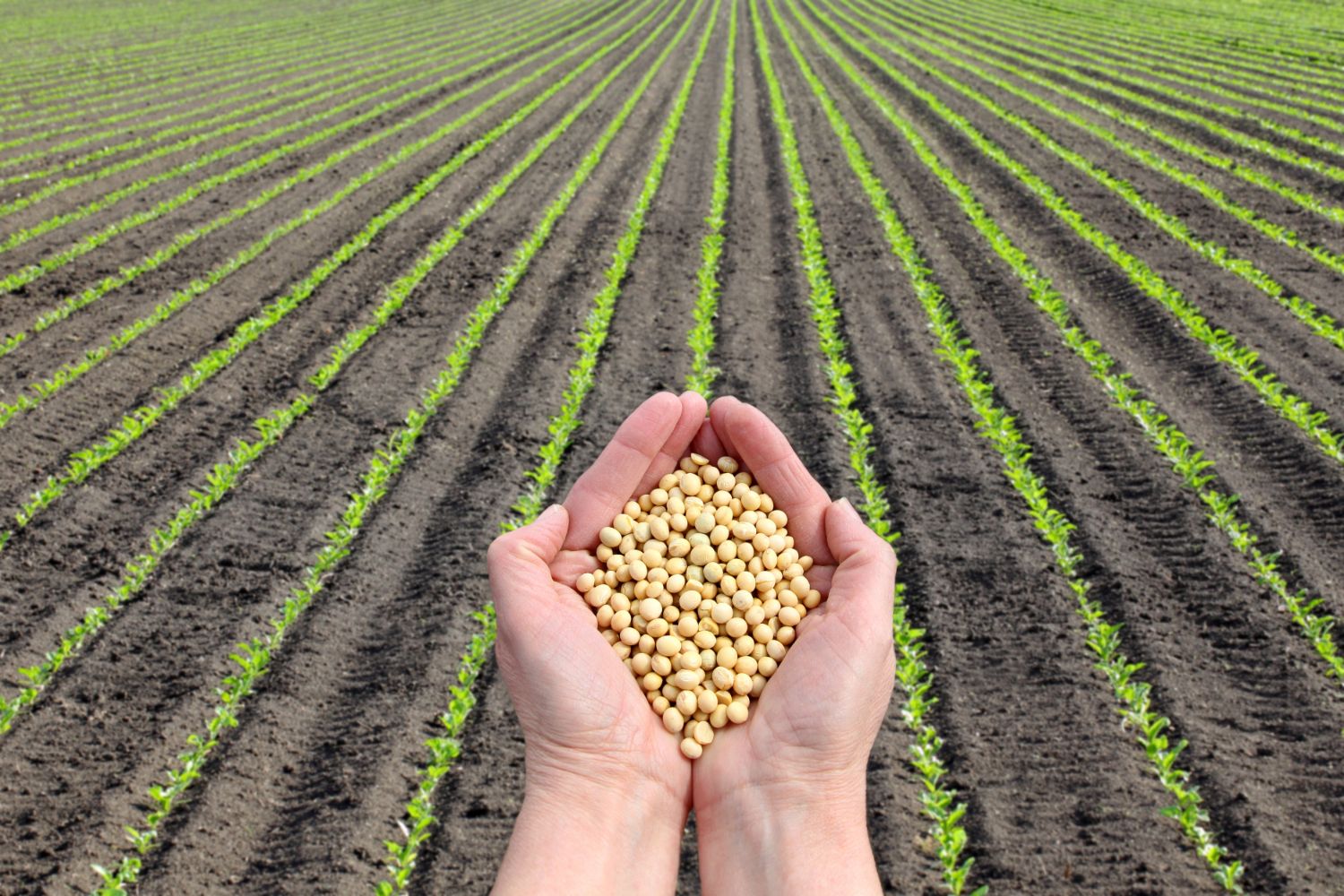
The European Commission has given the green light to import, for a period of ten years, of a new variety of genetically modified soy intended for human and animal diet.
The green light came after the favorable opinion of the EFSA (the European food safety authority), which confirmed its absence of health risks.
The decision was made following the lack of a qualified majority between the member countries of the European Union: no clear position emerged neither in favor nor against authorization, thus obliging the Commission to intervene according to European standards.
New GMOs: the political match of deregulation
This approval is part of a wider context: in Brussels a heated comparison is underway on the proposal of regulatory reform concerning the new GMOs, obtained through the so -called Innovative genomic techniques (Ngtor tea according to the Italian definition).
Last March, the EU Council adopted a negotiating mandate to regulate these new plant varieties and the related food and livestock products.
The proposal introduces one Double classification for plants created with NGT methods:
The alarm of 200 organizations
Against the possibility of loosening the rules for the cultivation and marketing of the new GMOs, over 200 European realities have lined up.
These include Greenpeace, via Campesina, Crocevia, Ifoam, ISDE, Aiab and Federbio, who say they are worried about the possible irreversible consequences on biodiversity and agriculture.
An heterogeneous front that includes associations of farmers, biological organizations, networks of independent seeds, actors of food transformation and civil society movements.
