
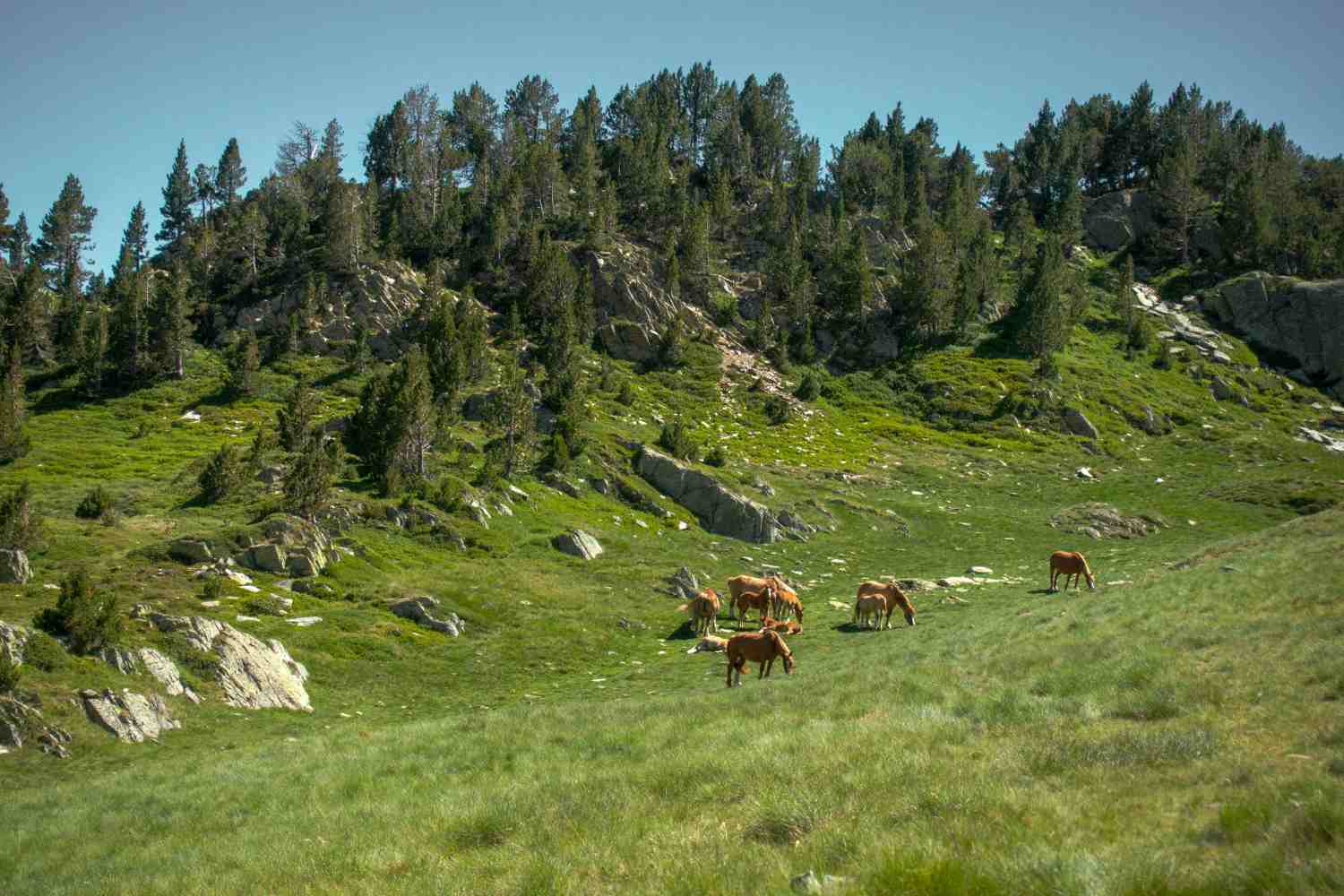
In the heart of the Galiciain the north-west of the Spainlives a population of wild horses known as Bestas. As a Reuters reportage tells, for centuries these animals have been traveling the hills and woods of the region, contributing in a silent but fundamental way to the protection of the ecosystem. Today their presence takes on an even more important meaning: they have become precious allies in the Fight against forest fires.
A natural strategy against fire
According to one Research of the University of La Coruñare-wild horses have a positive impact in fire prevention thanks to theirs habit of continually burning the undergrowth. Feeding on dry and weed vegetationcontribute to keeping the soil clean, thus reducing the flammable material that feeds the flames. The effect is particularly evident in the Serra da Groba And in the Barro area, often affected by fires.
In addition to the prevention of the fires, the Bestas favor the biodiversity. Their selective grazing helps the growth of native plants such as the Erica and the asphodelresistant species that support pollinators and improve the quality of the soil. The surrounding peatings, enriched with sphagno mosses, appear to be Exceptional carbon tanksthus helping in the fight against climate change.
A millennial tradition: the Das Bestas turnip
Every summer, the local community celebrates the Das Bestas turnipa tradition that dates back to the fifteenth century. Horses come gathered by the mountains to be treateddewormed and branded before being freed again. It is not just a folkloristic party, but a fundamental moment for the sustainable management of the herds and the health of animals.
A resource in danger
Despite their ecological and cultural role, the number of Bestas is constantly decreasing. In the 70s there were about 22,000 specimenstoday I am less than half. The rural depopulationtheabandonment of the countrysidetheIncrease in predators he is management costs They make these animals survival difficult.
To guarantee a future to these guardians of the landscapetargeted policies, economic support and a collective awareness of their ecological value are needed. The Bestas they are an example to be replicatedcarefully, also in other areas of Europe threatened by fires.
