
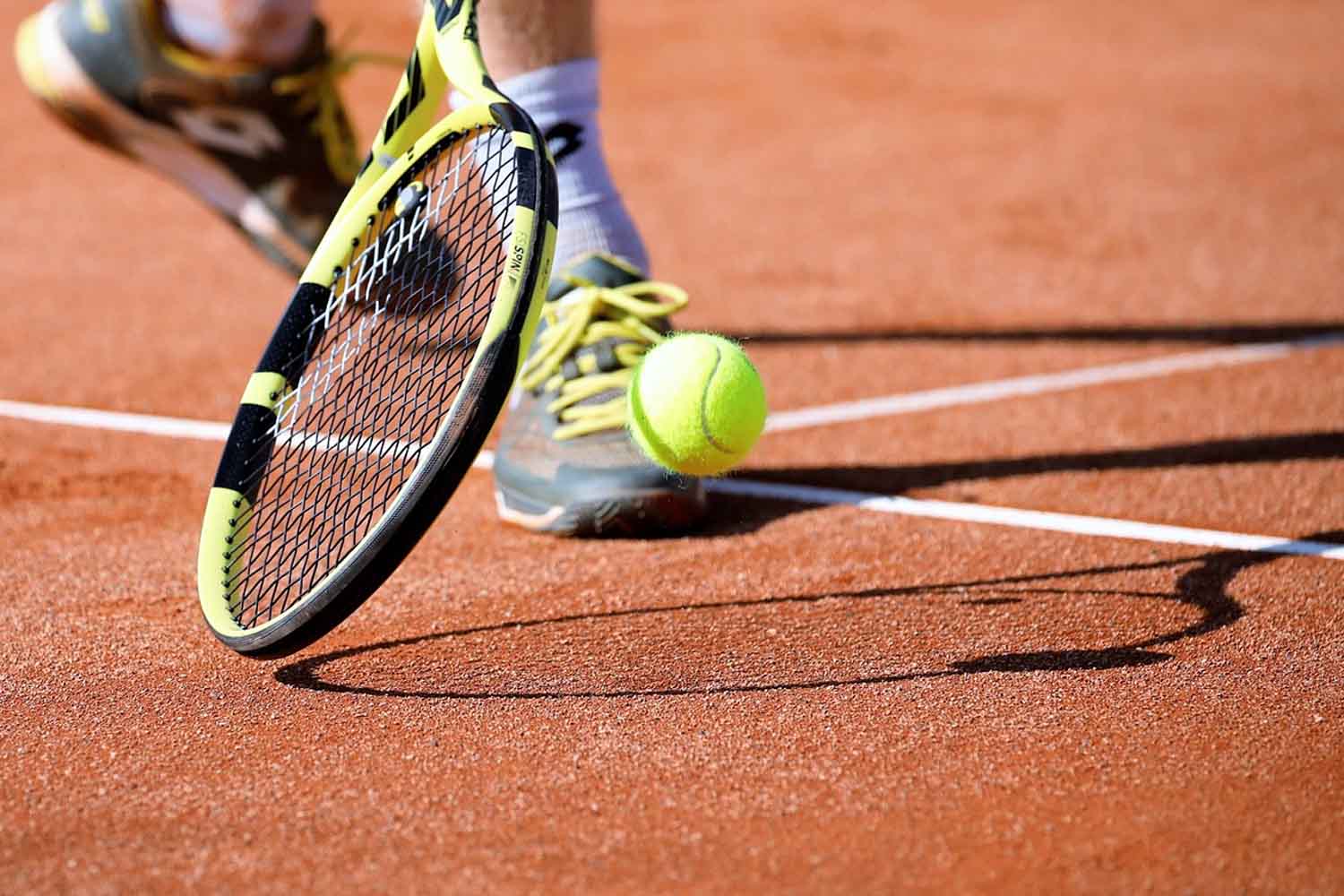
Regular physical activity is widely recognized by the scientific community as one of the fundamental pillars to live longer and healthy. A 2012 study highlighted a reduction in general mortality between 30% and 35% in active people compared to sedentary ones. However, not all forms of exercise seem to offer the same advantages in terms of longevity. Surprisingly, Tennis emerges as the most effective sport for lengthening life.
A growing amount of research highlights that tennis, in addition to being dynamic and stimulating, is a very powerful tool for contrasting diseases, improving physical and mental well -being, and promoting significant social relationships. People who play regularly, even for decades, show better health conditions, lower rates of obesity and cardiovascular pathologies and more often respect the international guidelines on physical activity, even over 60 and 70 years.
An analysis conducted within the Copenhagen City Heart Studywhich has now become a point of reference in the comparison between sport and life expectancy, revealed that Playing tennis can add 9.7 years of life. Badminton (+6.2 years), football (+4.7), cycling (+3.7), swimming (+3.4), jogging (+3.2), callistenia (+3.1) and workouts in the gym (+1.5) follow.
But what makes tennis so special? Experts speak of a winning combination between physical intensity and social interaction.
According to the United States Tennis Association, Only three hours of tennis per week can reduce the risk of heart disease of over 50%. Another study, published on Journal of Sports Medicineobserved a 47% less than risk of death for any cause And 56% less for cardiovascular diseases Among those who practice sports with rackets, compared to those who do not do physical activity.
A 2020 research, which appeared onInternational Journal of Sports Medicine And led by Katherine E. Spring, he analyzed the data of 142 tennis players, many affiliates of the international federation. The results showed that, compared to the US national average (CDC source), over 45 tennis players have significantly lower rates of obesity, diabetes, heart attack and stroke. Beyond the 75% of the participants said they played at least twice a week for more than ten yearsand continues to do it still with the same frequency.
Tennis: benefits for body, mind and social relationships, especially in the third age
Tennis does not only improve physical health: It also has a positive impact on mind and social lifecrucial aspects with advancing age.
The authors of the Danish study point out that being part of a group that is regularly creates An environment of support and cohesionfavoring the adoption of healthy lifestyles in the long run. Unlike solitary activities such as running or gym training, tennis necessarily implies interaction with others. In a context in which solitude is increasingly recognized as a public health problem, especially among the elderly, Tennis represents a natural and accessible solution.
From a psychological point of view, tennis players tend to show higher levels of self -esteem and minor stress levels. Although Spring’s study did not find statistically significant differences in terms of mental health, he found that players between 50 and 60 years of age said they felt they felt in shape and energetic for over 22 days in the previous month.
Also Tennis biomechanics It offers unique advantages. Unlike sports such as running or cycling, which develop on a linear axis, tennis requires complex movements: shots, changes of direction, twisting, elongations. These motor schemes stimulate agility, balance, joint strength and coordinationreducing the risk of falls and accidents in advanced age.
One of the most underestimated aspects is The strength of the socket. Today considered a true biological indicator of aging, a weak socket is related to greater probability of developing heart disease, cognitive decline and early mortality. Not surprisingly, Tennists have a stronger grip on average than those who lead a sedentary life.
Tennis is really for everyone, at all ages
Despite the commonplace according to which tennis is an elitist or difficult to learn sport, the data tell a very different reality. Most of the tennis players involved in studies were made up of amateur playersaged between 21 and 72, who trained on public fields and did not belong to exclusive clubs.
In recent years, moreover, related sports such as the pickleball (a mix between tennis, badminton and ping-pong) and the padel they are gaining popularity all over the world, offering The same physical and social benefits of traditional tennisbut with a even simpler and more immediate access.
For those who fear injuries, such as the well -known “tennis’ elbow”, experts advise support the activity with the racket of force and stretching exercisesuseful for improving muscle resistance and flexibility.
Ultimately, whoever wishes aging healthy, without having to run marathons or lift weights in the gymshould seriously consider challenging a racket. Tennis, in addition to being fun and stimulating, It could really be the best investment for your future.
