
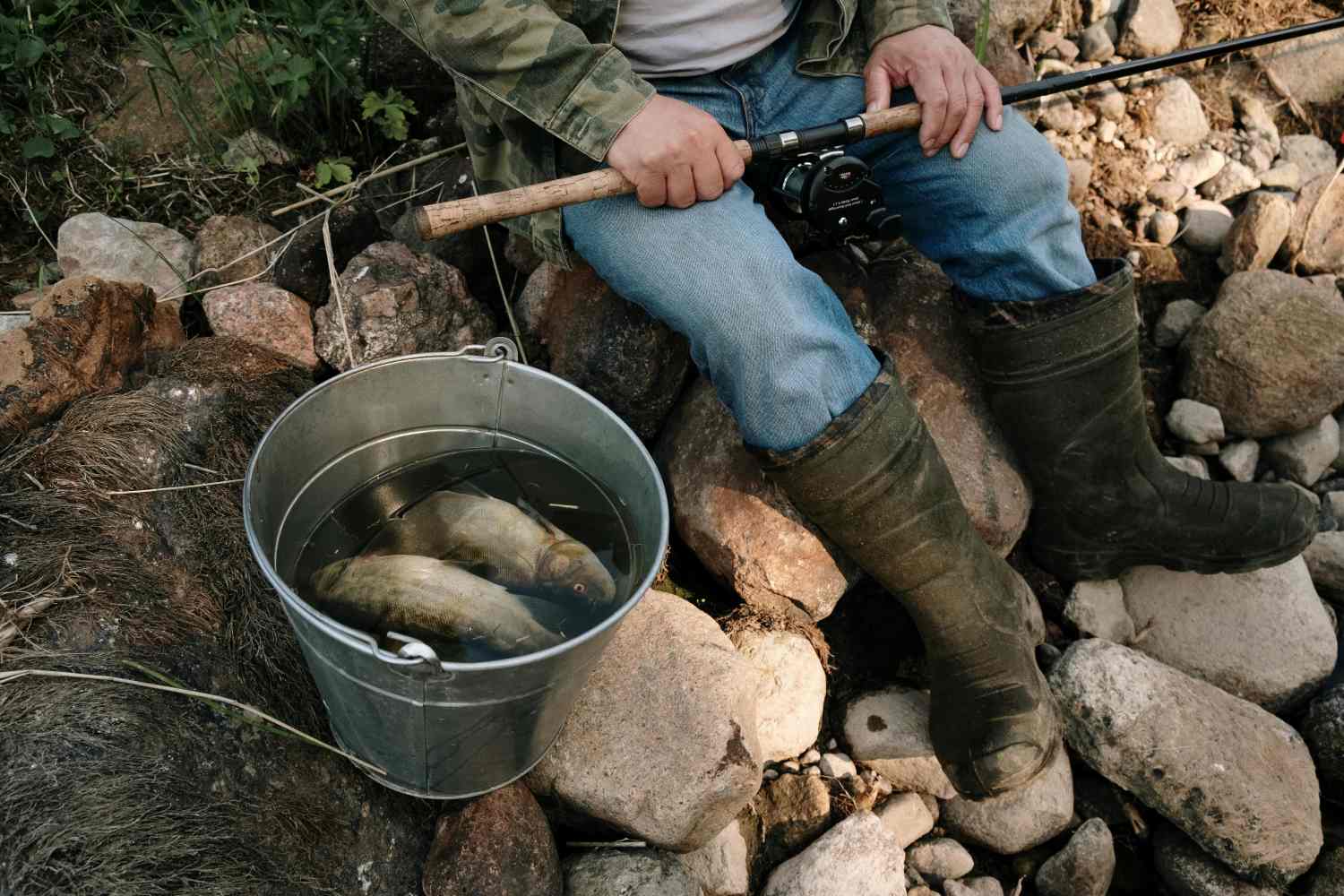
The expression “being a fish out of water” is not only a metaphor, but a literal representation of a silent agony. Every year, billions of fish come caught and let you die slowly outdoors or in frozen water. For the first time, a scientific study managed to quantify the pain that these animals feel at the time of capture.
Made by the Welfare Footprint Institute and published on Scientific Reportsthe research finally has measured the level of pain that these animals feel when they come fishedabove all through asphyxiationone of the most common killing methods in the fish sector.
The researchers focused attention on iride trout (Oncorhynchus Mykiss), one of the most common species both in farms and sports fishing. The data collected show that these animals can try Up to 22 minutes of painwith an average of about 10 minutesbefore losing knowledge. A time that, compared to weight, translates into 24 minutes of suffering for each kilogram.
The phases preceding death also cause suffering
They are enough a few seconds in the open air To activate an intense in fish neurochemical response similar to the human one associated with fear and pain. In the absence of water, the gills collapse, the CO2 accumulatesand the fish begins to suffer from a slow suffocation. The bigger the fish, the longer the suffering will be.
To make this measurement was the Welfare Footprint Framework (WFF), developed by the Center for Welfare Metrics. This method does not limit itself to observing whether an animal suffers or not, but quantifies How long does it spend in a state of pain, discomfort or well -being. An approach that allows you to comparablely evaluating the load of suffering between different species and practices.
The study revealed another worrying data: the phases preceding deathlike the transport or the handlingoften cause one cumulative suffering equal or even higher than the act of killing.
A research that opens the way to a new awareness: it is not only a matter of numbers, but of ethical responsibility. Since fish feel pain in a prolonged way, then it is urgent to rethink fishing and farm practices to minimize avoidable suffering. Better still if we limit the consumption of fish as much as possible.
View this post on Instagram
