
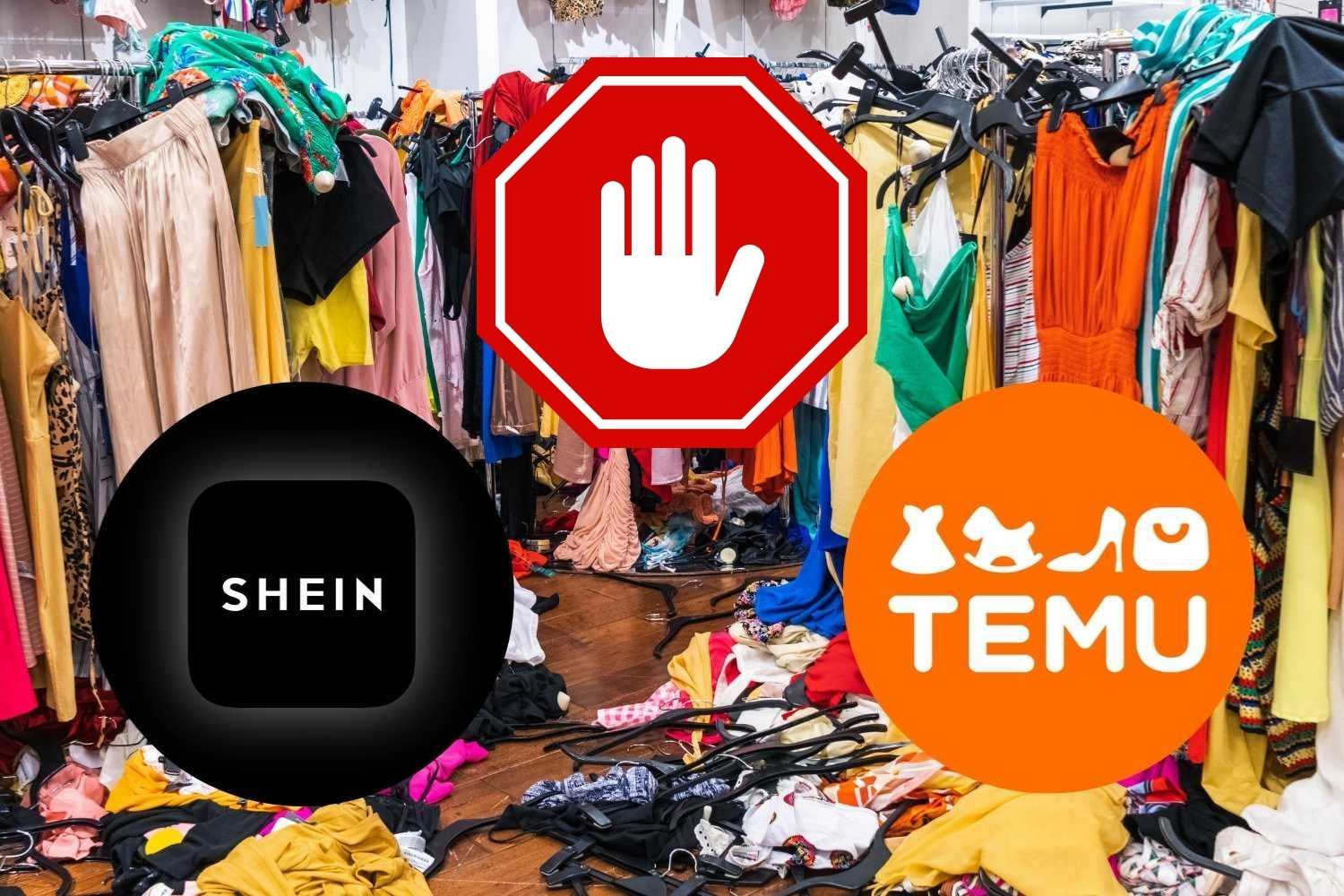
In recent years, e-commerce platforms such as Shein and Temu They conquered millions of European consumers with their products of all kinds, sold at torn prices. But what is hidden behind these attractive offers, now we know (almost) all.
We are talking about poor quality products, which can also contain toxic substances and behind which opaque supply chains are hidden often characterized by the exploitation of workers. To all this is added the enormous environmental impact linked to international shipments, which multiply the emissions to deliver millions of low -cost parcels every day, many of which are easily rendered, further increasing the environmental load.
All this is also emerging from the First results of the investigation launched by the European Commissionwhich now promises drastic measures to curb what has been called a real “regulatory emergency”.
Toxic and dangerous products: the “shock” of the European Commissioner
The European Commissioner for Justice Michael McGrath He expressed dismay in the face of the preliminary results of the EU investigation, conducted through the so -called “mysterious customer” method, that is, with anonymous purchases aimed at verifying the compliance of products to European regulations.
I am shocked and I think we have a duty to protect European consumers – McGrath said in an interview with the Guardian.
The most serious cases concern articles intended for children: pacifiers with beads that come off easily and without the holes necessary to allow breathing in case of accidental ingestion, waterproof containing prohibited chemicals, shorts with too long laces that can cause stumbles, e UV protection -free sunglasses.
There is also no lack of i Cosmetics containing Buttylphenyl Methylpropional (also known as Liliaial), prohibited since 2022 because it is considered endocrine interferent and potentially harmful to fertility and fetal development.
And these are only the first results …
The Safety Gate alarm and the role of customs
In 2023, the European Safety Gate system – which collects the reports of dangerous non -food products – recorded A record of 4,137 alerts, over a third of which concerned cosmetics. The national authorities, through this network, rapidly spread alarms throughout the union. But the speed with which the products arrive in the European market makes interception difficult: every day about 12 million low value packages enter the EU’s borders from extra-European vendors.
Just to counter this invasion, The EU is evaluating measures such as the abolition of the customs exemption threshold currently set at 150 euros and the introduction of A management fee on each package. In parallel, the creation of a European customs authority is discussed to structurally face the critical issues of global electronic commerce.
European companies are penalized
The question, however, does not only concern consumer safety. As McGrath explained, it is also “equality of conditions” between companies. European companies respect stringent regulations and deal with high costs to guarantee safe products. Those who sell on platforms such as Shein and Temu, often based on non -transparent production chains and with highly lower standards, can afford brazy prices that represent unfair competition for the internal market.
In 2024 there were 4.6 billion of shipments under 150 euros to the EU, twice as much as the previous year. A dizzying growth that has put pressure on the control systems of the Member States and which, according to Brussels, can no longer be tolerated.
France declares war on Fast Fashion
To lead the European counter -offensive against low cost fashion is France, which approved in June The first legislation in the world expressly targeted against Fast fashion ultra low-cost. The law provides for an environmental score for each garment sold (on the basis of parameters including emissions, recyclability and consumption of resources), an eco-time up to 10 euros for the most polluting products by 2030, and the total prohibition of advertising, online and offline, for low-cost clothing. The promotion by Influencers and abolished the free of return, to discourage impulse purchases and reduce the volume of textile waste.
The legislation has not yet entered into forceIn fact, he will have to go to the autumn through a mixed joint commission between the Senate and the National Assembly and subsequently be notified to the European Commission to verify their compatibility with EU law.
Compared to the original proposal of 2024, the law has been softened, arousing criticism especially for the exclusion from the constraints of the big brands of the traditional Fast Fashion, such as Zara, H&M and Kiabi, with the declared objective of protecting the European industry.
Shein and Temu’s reactions
The Chinese platforms, for their part, claim to be strengthening the controls. Shein said she had invested $ 15 million in safety initiatives and having removed 500 suppliers from her marketplace. Temu has assured that he has proactive control systems and collaborations with certification bodies such as Tüv Süd, Eurofins and Sgs.
But The reassurances are not enough: the political and regulatory pressure in Europe grows, and the same commissioner McGrath himself has announced that he will raise the matter in the next EU-China summit of 25 July in Beijing.
Europe now seems ready to face one of the most difficult challenges of the digital era: combining market freedom and protection of collective interests. The road will be long, but the attention is finally high.
Sources: The Guardian / Reuters
