
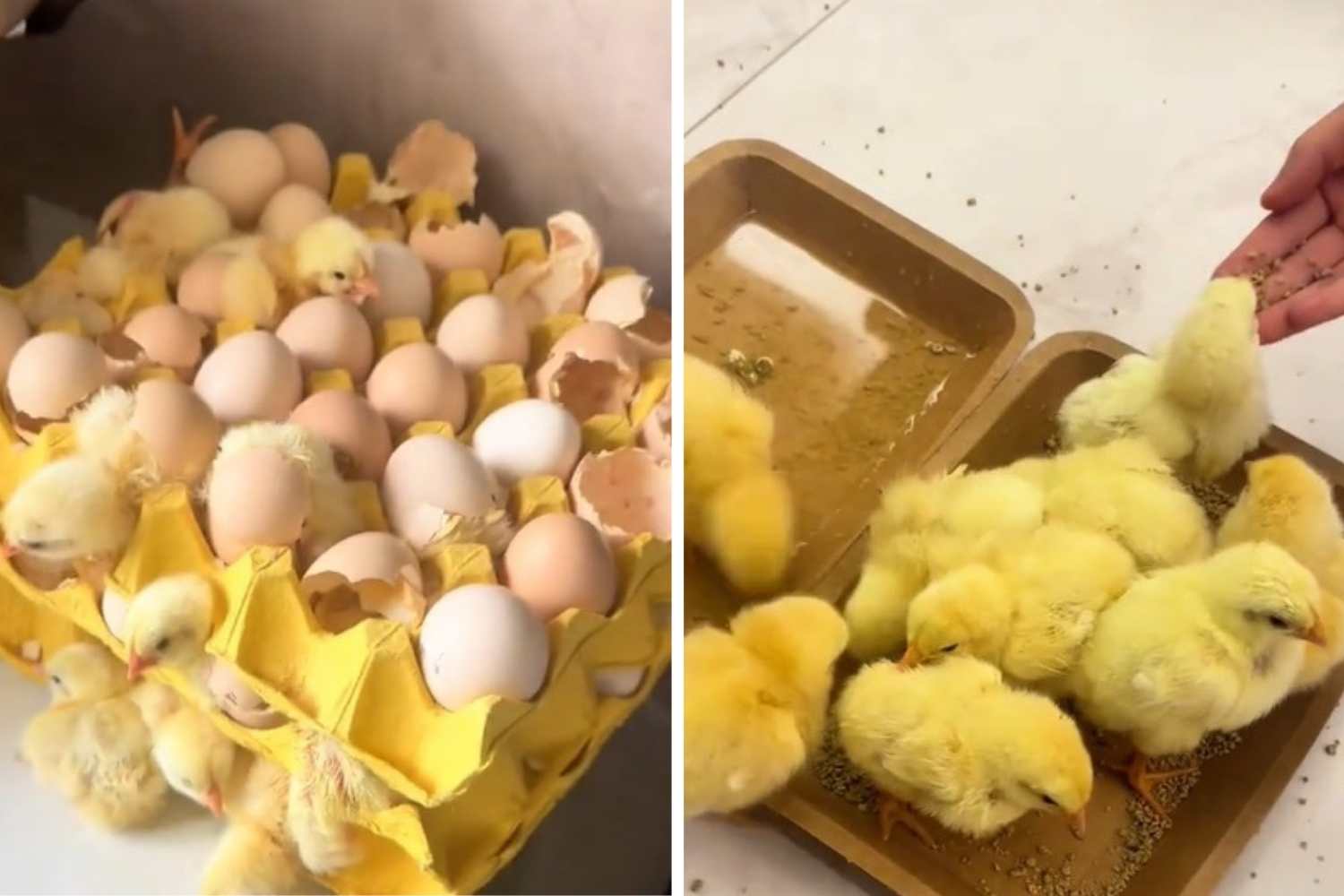
A viral is becoming a viral video shot in China, where they are seen Dozens of chicks out of the classic egg cartons purchased at the market and intended for food consumption.
The story comes from Qingdao, where Mrs. Jiang, returning home after only two days from the purchase of the eggs, found the kitchen invaded by about 70 newborn chicks. But how is such a thing possible? And above all: can it happen to us with the supermarket eggs too?
There is a detail that must not escape: the woman had bought 90 eggs called Huó Zhūzi, A local specialty widespread in some areas of China and Southeast Asia. These are fertilized eggs, considered delicacy.
During the lady’s short absence, some packs had been left out of the fridge, in a hot kitchen for the summer heat. Upon returning, the surprise: dozens of chicks were born, and the kitchen had turned into a small chicken coop.
How could it happen?
The “secret” lies in the eggs themselves: they were fertilized by roosters, and therefore contained an embryo potentially able to develop by chick.
To give birth to a chick, however, a fertilized egg must be maintained in particular conditions, similar to those provided by a hen that broods it:
Leaving the eggs out of the refrigerator, in a warm and stable environment like that of Jiang’s cuisine during the summer, created a perfect environment for spontaneous incubation. In fact, The kitchen has become a natural incubator which allowed the embryos to develop and hatch.
The question that many are asking themselves is where the chicks born from these eggs then ended. Who knows if their destiny has been less cruel than what was expected.
View this post on Instagram
What are the Huó Zhūzi eggs
The Huó Zhūzi are fertilized eggs that are incubated for about 11-14 days, during which the embryo begins to develop until it becomes A partially formed chick.
This decidedly questionable specialty is rather widespread in some regions of China and Southeast Asia, where the eggs are raised to steam or boiled and served with vinegar, ginger or spices to enhance their flavor. The problem? They have an embryo already in development inside them. It is therefore not surprising that those who care animal welfare consider the consumption of the Huó Zhūzi completely unacceptable.
But despite criticisms, this culinary practice is supported by cultural traditions and popular beliefs: in some communities Huó Zhūzi are considered a lucky charm or a food that brings health and vitality. This symbolic value has contributed to keeping the consumption of these eggs alive.
And can the supermarket eggs hatch?
The answer is no. The eggs we find in supermarkets are not fertilized. In modern industrial farms, in fact, the ovary hens are kept separate from the roosters precisely to avoid fertilization. In addition, the eggs are collected and refrigerated immediately after the deposition, blocking any possible development.
So, even if you leave them out of the fridge, the supermarket eggs do not contain embryos and cannot turn into chicks.
Only eggs actually fertilized – such as those sold in rural markets or specific farms where roosters and hens coexist – can hatch, and only if maintained for days in ideal conditions.
