
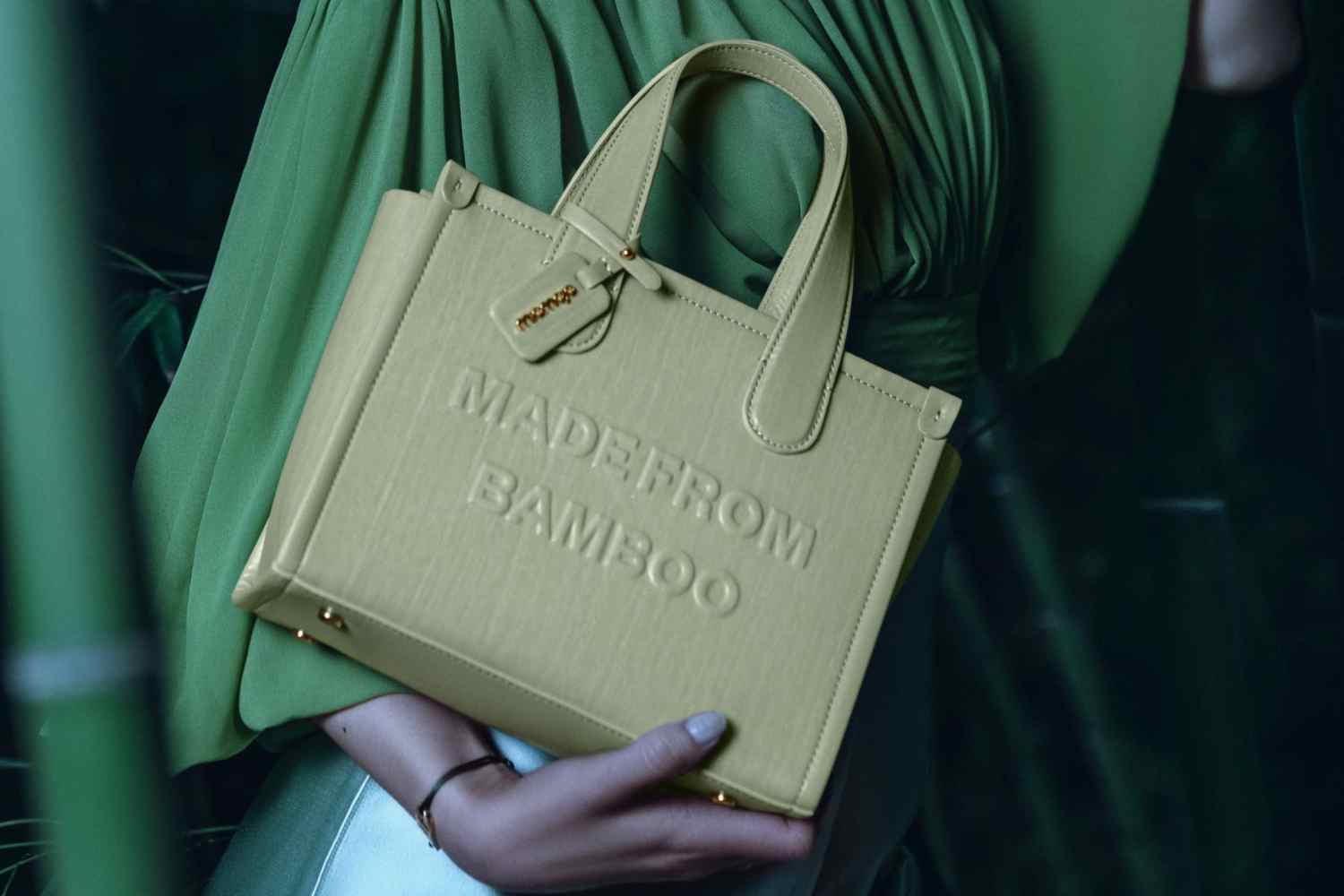
There is something deeply Italian, and at the same time revolutionary, in the history of Miomojo That on September 14th will be present in the Green Room of the Emmy Awards. It is not only the chronicle of an entrepreneurial success, but the story of how the same DNA of contemporary luxury is changing.
The Bergamo paradox
Bergamo is not Milan. It does not have the catwalks, the districts of fashion, the cosmopolitan effervescence of the Lombard capital of Fashion. Yet it is precisely from this industrious and concrete province that a brand is born that today dialogues with the Hollywood stars.
The paradox is not geographical, but cultural. Miomojo brings to the most exclusive spaces of world glamor an approach that has its roots in Lombard pragmatism: what matters is not the appearance, but the substance. Not marketing, but true innovation. Not storytelling, but tangible facts.
Being present at Emmy means bringing our message to the heart of global pop culture,
explains Claudia Pievani, founder and CEO. But what message, exactly?
The silent revolution of the materials
While the spotlights come on on the stars who will parade on the red carpet, a more silent but no less significant revolution is consumed in the Green Room. Each miomojo bag that will be delivered to the nominee tells a different story: that of materials derived from apple waste, orange peels, olive leaves, corn.
It is not about eco-friendly folklore, but a real industrial conversion. The so-called “Next-Gen” materials are redefining the aesthetic equation = performance = sustainability. The result? Accessories that have nothing to envy to the traditional skin in terms of visual and tactile performance, but which tell a completely different story.
The new luxury code
“Where luxury is not ostentation, but awareness“
In this Pievani sentence there is much more than one company slogan. There is the synthesis of an epochal transformation that is going through the Luxury industry.
The old luxury paradigm was based on exclusivity through scarcity: rare materials, complex processes, inaccessible prices. The new paradigm reverses logic: exclusivity arises from awareness, from the ability to anticipate the times, from the consistency between declared values and concrete practices.
It is no coincidence that Cate Blanchett, Michelle Williams, Pedro Pascal – names representing Hollywood – are among the recipients of the Miomojo creations. They are personalities who have made social responsibility a distinctive trait of their public presence.
There is an Italy that emerges from this story, and it is different from what we are used to telling in the world of fashion. Not the Italy of traditional Made in Italy, of the artisan excellence handed down from generation to generation. But an Italy that looks to the future, which invests in research, that transforms environmental constraints into business opportunities.
Miomojo is a certified B Corp, led by women, which invoice internationally starting from a headquarters in the province. It is the incarnation of an entrepreneurial model that combines territorial roots and global vision, manufacturing tradition and technological innovation.
The presence of the Emmy is symbolic, but not an end in itself. It represents the moment when a new aesthetic of ethics stops being a niche phenomenon to enter the mainstream of global pop culture.
“Too Classy to Kill” is not only the payoff of a brand, but the synthesis of a cultural direction: that of a generation that refuses luxury as a pure status symbol and claims it as an expression of values. Where being “classy” means being aware.
From Bergamo to Hollywood, the step is shorter than it seems. Just change perspective on what it really means to be luxury.
