
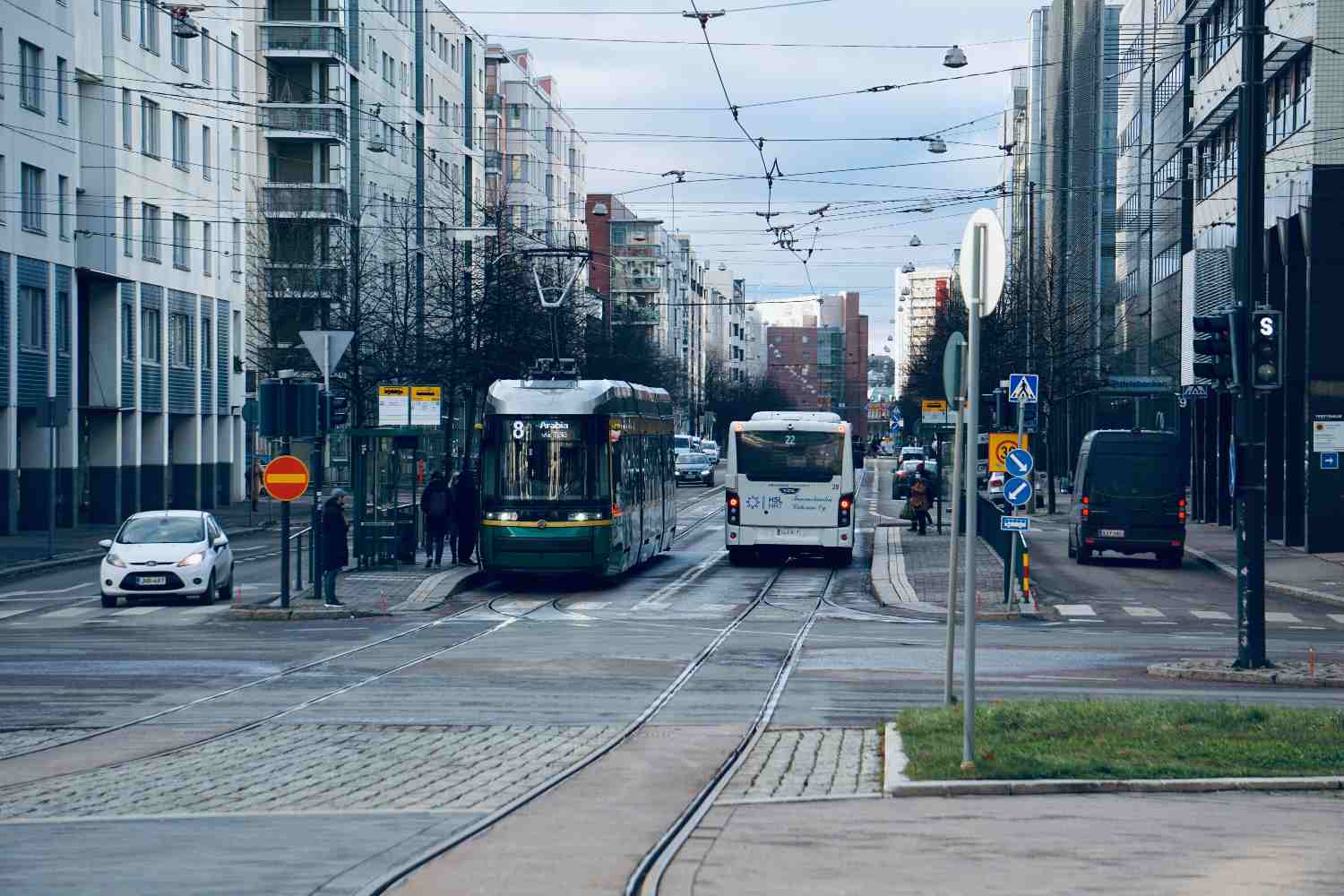
Helsinki has reached an extraordinary goal: a whole year without deaths from road accidents. It is not a lucky coincidence, but the result of a coherent and long -term strategy, the result of investments, targeted urban planning choices and a philosophy that puts human life at the center of urban mobility.
The heart of the strategy is simple: to reduce speed limits. In most urban roads of Helsinki the maximum limit is 30 km/h, a measure systematically introduced since 2021 and strengthened over time. The infringements are disincentive by intelligent cameras and income sanctions, a method already in use in Finland for years and particularly effective in dissuading dangerous behaviors. Translated: the more you earn, the more you pay. This method not only makes penalties proportionate and fair, but also dissuasive in a universal way.
In addition to the speed limits, the city has invested in public transport and a capillary network for pedestrians and cyclists. Right lanes, hedges and trees reduce the speed of cars in a natural way, while efficient buses and trams make the use of the private vehicle useless. The result? Less traffic, less stress, less accidents.
A replicable model
Helsinki is not alone: even cities like Oslo and Stockholm have adopted similar policies, achieving comparable results. All are inspired by Swedish philosophy Vision Zero, who says that it is never ethically acceptable that someone dies in the urban transport system. However, this approach requires a cultural transformation: it is no longer the car that has priority, but people.
For our part, we have the example of Bologna which, with its project “Città 30”, has achieved surprising results already in the first year of implementation. Since 2024 the standard limit of 30 km/h has been extended to most of the urban roads and the numbers are clear: zero pedestrians killed, serious accidents down by 31% and halved mortal victims.
It was not only the security that improved: bike sharing increased by 69%, private traffic has fallen and the air has become more breathable. A concrete change of step that makes us understand how even in Italy we can choose a more human, sustainable and safe mobility.
Helsinki’s experience and all these cities that are focusing on safety shows that reset the victims on urban roads is not a utopia, but a concrete possibility. Cum -decisions are needed, a change of mentality and well -directed investments: safe mobility is really possible.
Don’t you want to lose our news?
You may also be interested in:
