
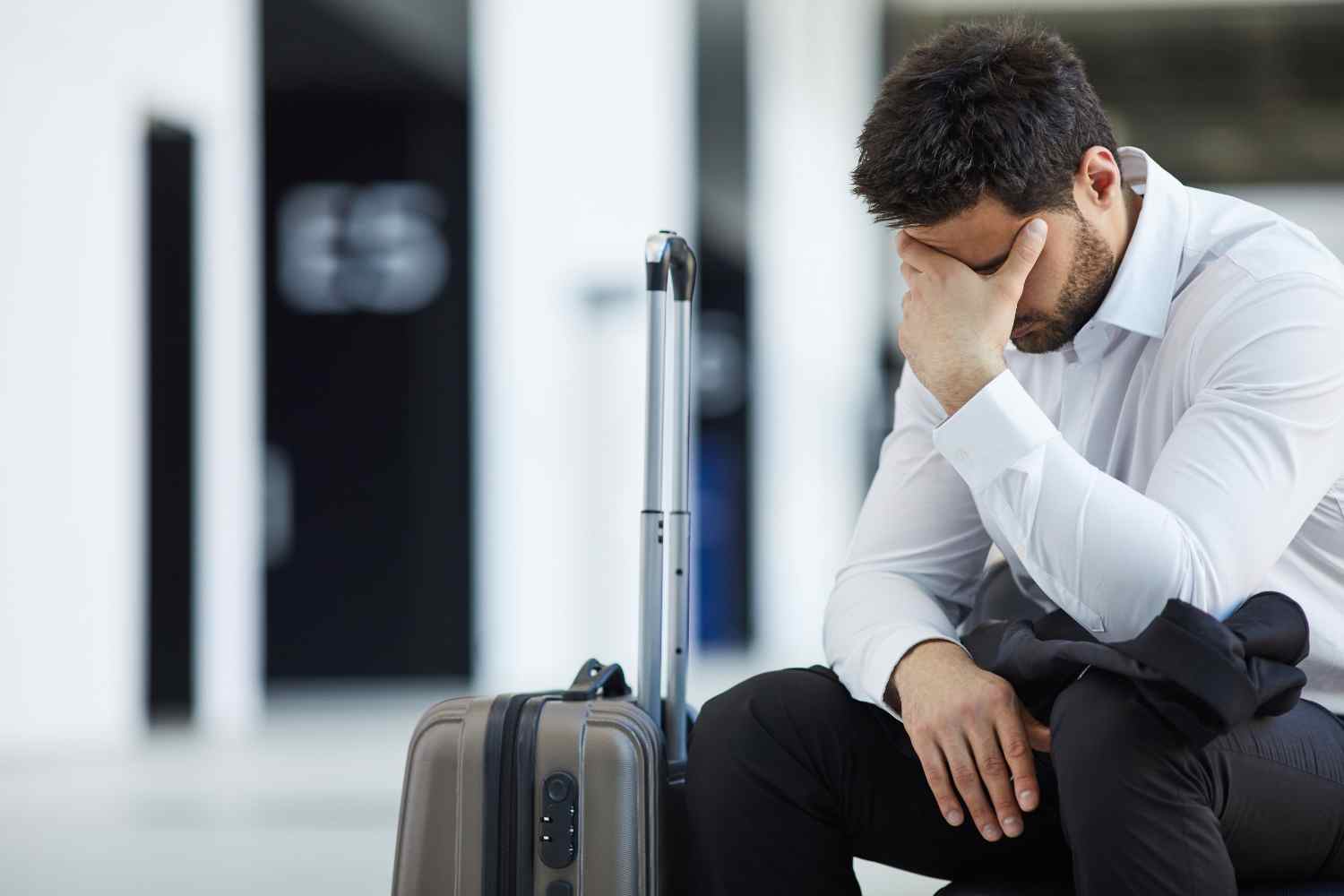
When an airline sells more tickets than the places available on a flight, we talk about overbooking. This practice is legal, but can create enormous inconveniences for passengers. Airlines, in fact, bet on the percentage of travelers who will not arrive in time or who will give up on the fly, to obtain additional earnings. However, if all passengers present themselves at boarding, uncomfortable and unpleasant situations are created, with some travelers who risk being denied boarding, despite having purchased a ticket regularly.
Overbooking: what to do when they deny us boarding
Even if the overbooking is a practice that raises many criticisms, it remains legal, and the airlines continue to sell more tickets than the available places. But what to do if you find overbooking victims? The good news is that European travelers are protected by the ENAC passenger right charter and the community legislation of the European Union, which establish specific rights for those who see themselves denying boarding.
In case of overbooking, passengers are entitled to a series of compensation and reimbursements. In particular:
- Pecuniary compensation: the company must offer a refund that varies according to the duration of the flight and the distance of the destination:
- Reimbursement or new flight options: the passenger can choose between:
- Assistance: travelers are entitled to free meals and drinks waiting, accommodation in hotel if necessary, and transfers between the airport and the hotel. In addition, they can make two telephone calls or send messages via fax or e-mail.
Even if the passenger is able to start with a few hours of delay, he is entitled to compensation, which can be reduced up to 50%, depending on the delay and circumstances. The payment of compensation can be made in cash, wire transfers, good trips, or other forms of reimbursement, always with the consent of the passenger.
How to avoid overbooking
Although overbooking is difficult to avoid completely, there are some precautions that can reduce the chances of being involved:
- Travel frequency: people traveling to business class are generally less subject to the risk of overbooking, compared to economical class passengers.
- Early check-in: check-in well in advance increases the possibilities of not being chosen for the denied boarding. In addition, registering on frequent flyer programs can be advantageous, since members are often excluded from the selection in the event of an overbooking.
- Getting punctual to the Gate: getting to the gate well in advance is essential to avoid overbooking situations. If possible, try to fly during the early hours of the day, since evening flights, in particular the return ones, are more likely to undergo delays and cause overcrowding on subsequent flights.
- Battery the luggage: if possible, record the baggage before getting on board. It is more difficult for airlines to search for a luggage that has already been stowed in the plane, reducing the risk of having to select someone to leave on the ground.
EU rules on the overbooking
The laws that protect passengers in case of overbooking apply only if the departure airport is located in the European Union or if the flight is made by a European company with destination towards an EU stopover. So if the flight starts from another country or if it is managed by a non -European company, there may be differences in the regulations that regulate overbooking.
In summary, overbooking is a practice that, unfortunately, is part of the game, but European travelers are protected by legislation that guarantees them rights and compensation. To avoid being involved, however, it is important to follow some simple strategies, such as the early check-in and the choice of flights at less critical times.
Don’t you want to lose our news?
