
The crystal clear sea, the golden sand and the palm trees that sway in the wind are the perfect picture for dream holidays.
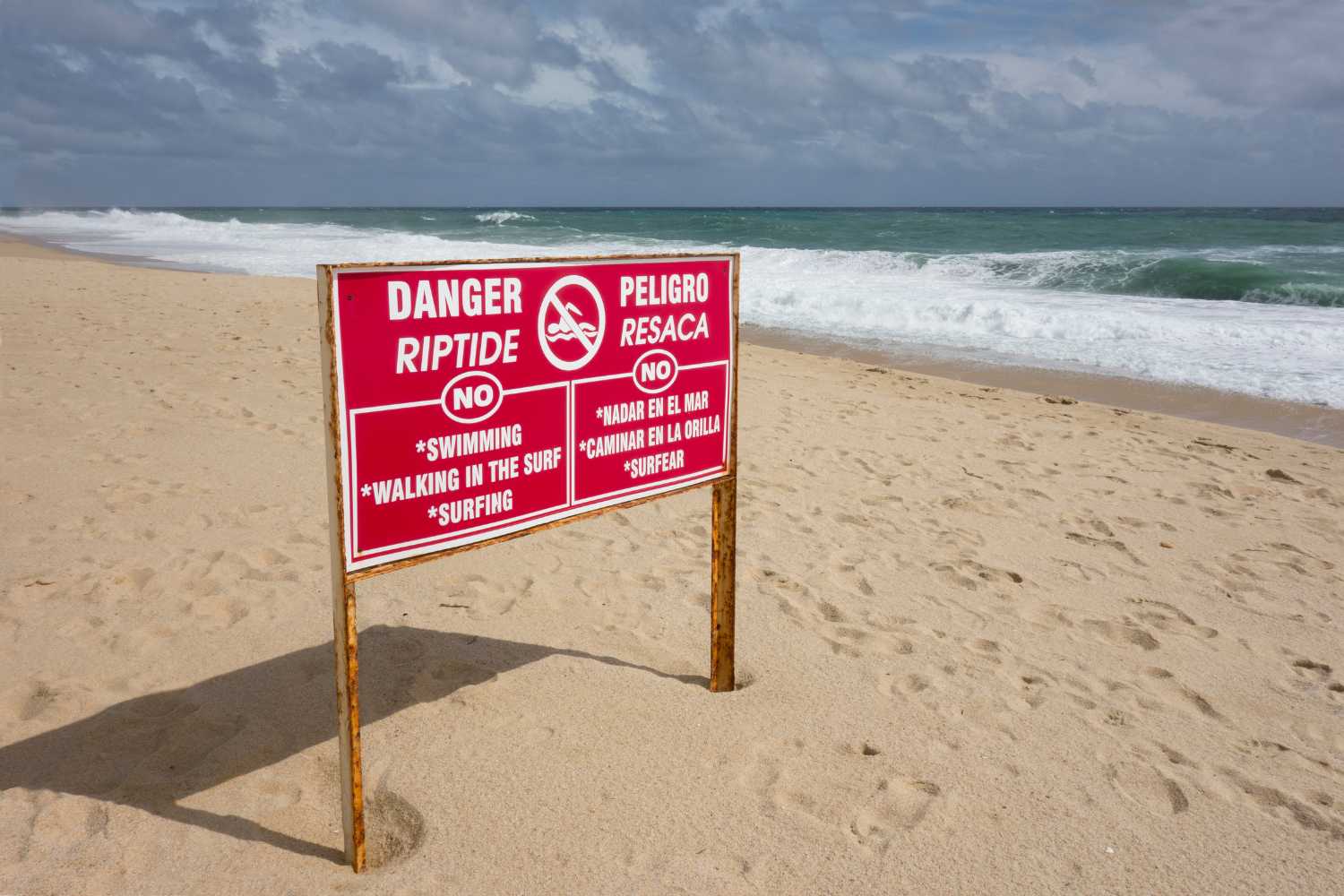
At least in theory, because some of the most beautiful beaches in the world hide much more than a fatal secret, pitfalls that can easily transform the travel experience into a real nightmare. Speakers hungry, lethal jellyfish, assassin currents and even nuclear radiation: here are the seven seaside destinations from which to stay away.
Fraser Island, Australia
The largest sand island in the world – 1,840 km² of extension, UNESCO heritage since 1992 – has been located off the Largo del Quensland, Australia. White beaches and postcard panorama, the problem is that every corner of this place hides a different threat: the waters are teeming with white sharks and mortal jellyfish, crocodiles patrol the banks and as if that were not enough, the sands can also hide the spiders, obviously poisonous. Without forgetting the Dingo, Australian wild dogs who regularly attack tourists (in 2001 a nine -year -old boy lost his life for an aggression by two Dingo).
Even the environmental conditions are not completely favorable: sudden tides cover entire portions of the beach, often trapping bathers, and marine currents are so violent that even the most experienced swimmers struggle to contrast them.
Hanakapiai Beach, Hawaii
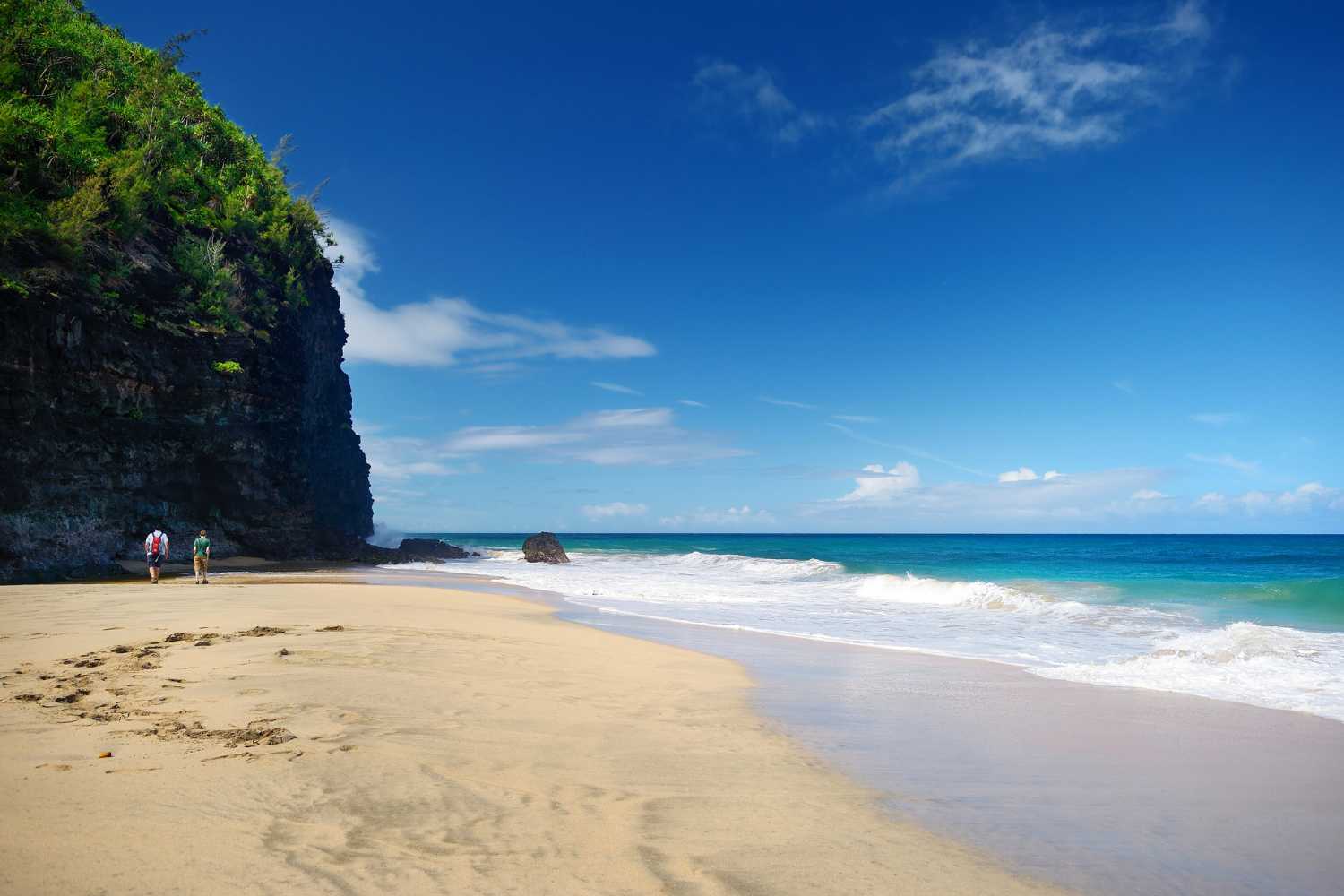
Kauai island, Na Pali Coast: Hanakapiai Beach is the now sadly famous Hawaiian beach, where dozens of victims – local estimates speak of at least 30 deaths between 1970 and 2010 – have been caused by the deadly rice field currents. Tropical waters calm that in an instant become very powerful vortices, and which drag swimmers offshore. Many people have disappeared forever, swallowed by the ocean, and for this there is a sign, at the entrance to the beach, in which the victims are counted.
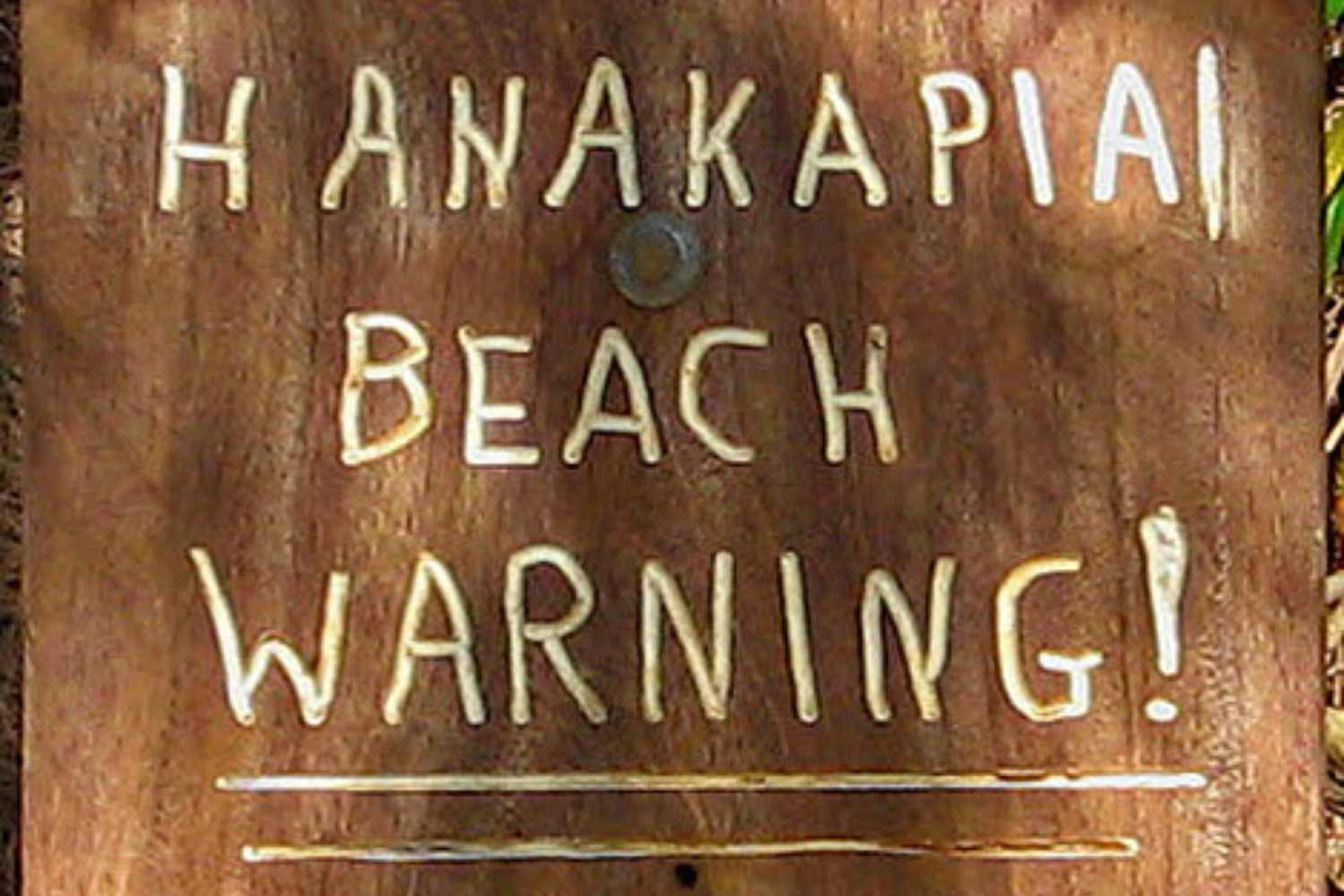
Those who venture into water rarely return to Riva and often there are safety problems, as in the case of 50 tourists stuck for an entire night due to a stream enlarged by the rains.
Cape Tribulation, Australia
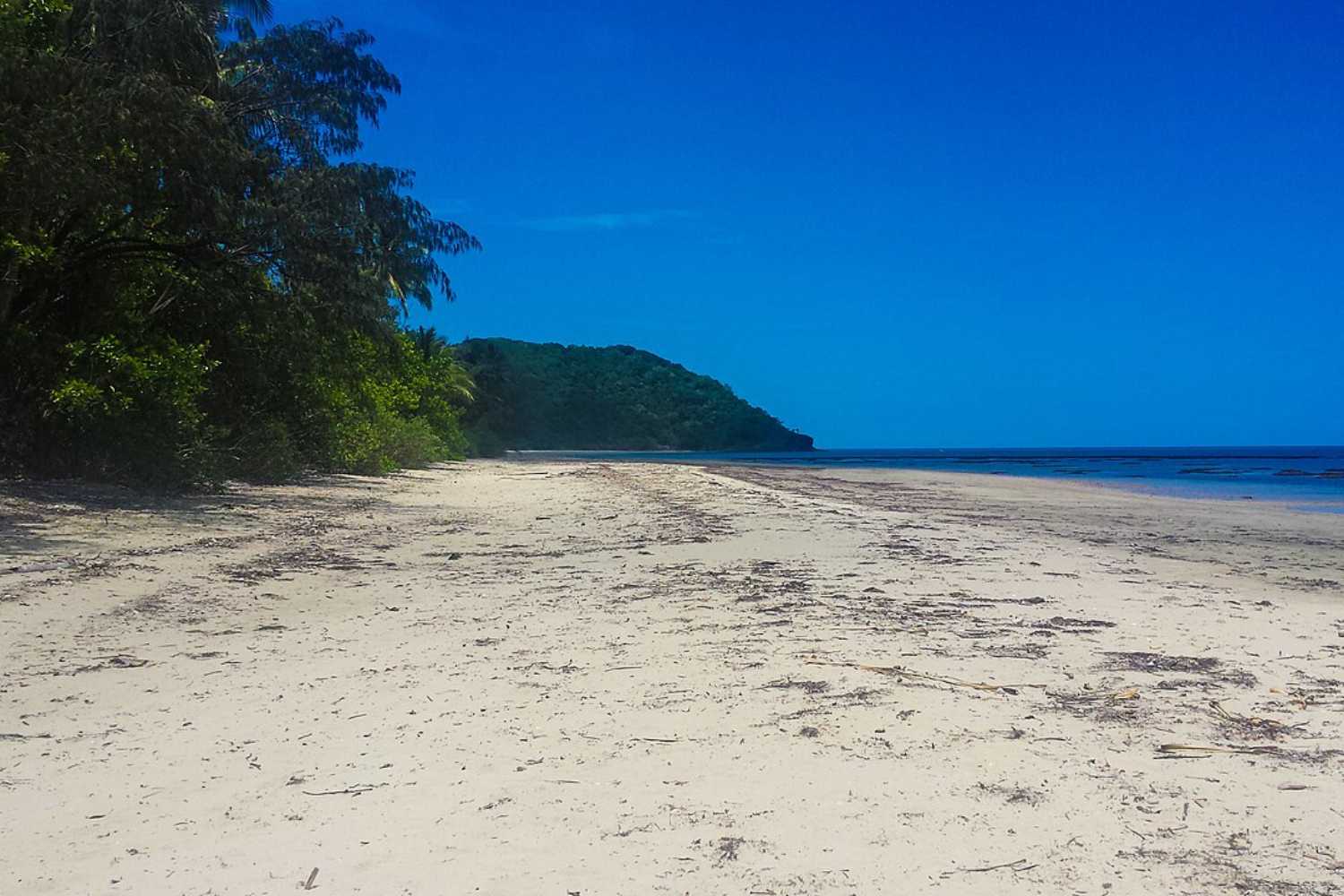
In northern Queensland, still in Australia, where the rainforest touches the sea, we find one of the most insidious coasts on the planet. The water swarming of poisonous jellyfish, especially Chironx Fleckerialso called sea wasps, transparent creatures whose poison can cause a fulminating cardiac arrest (in Australia 64 deaths have been ascertained between 1884 and 2021).
Also present were the marine crocodiles, up to six meters long, which hunt both in water and on the shoreline. Even trees represent a danger: some forest plants, such as the Dendrocnide Moroides – Stralicant plant commonly known as “Sicides’ plant”, “Gympie” and “Gympie Gympie” – they cause painful burns to the only contact with the skin.
Praia de Boa Viagem, Brazil
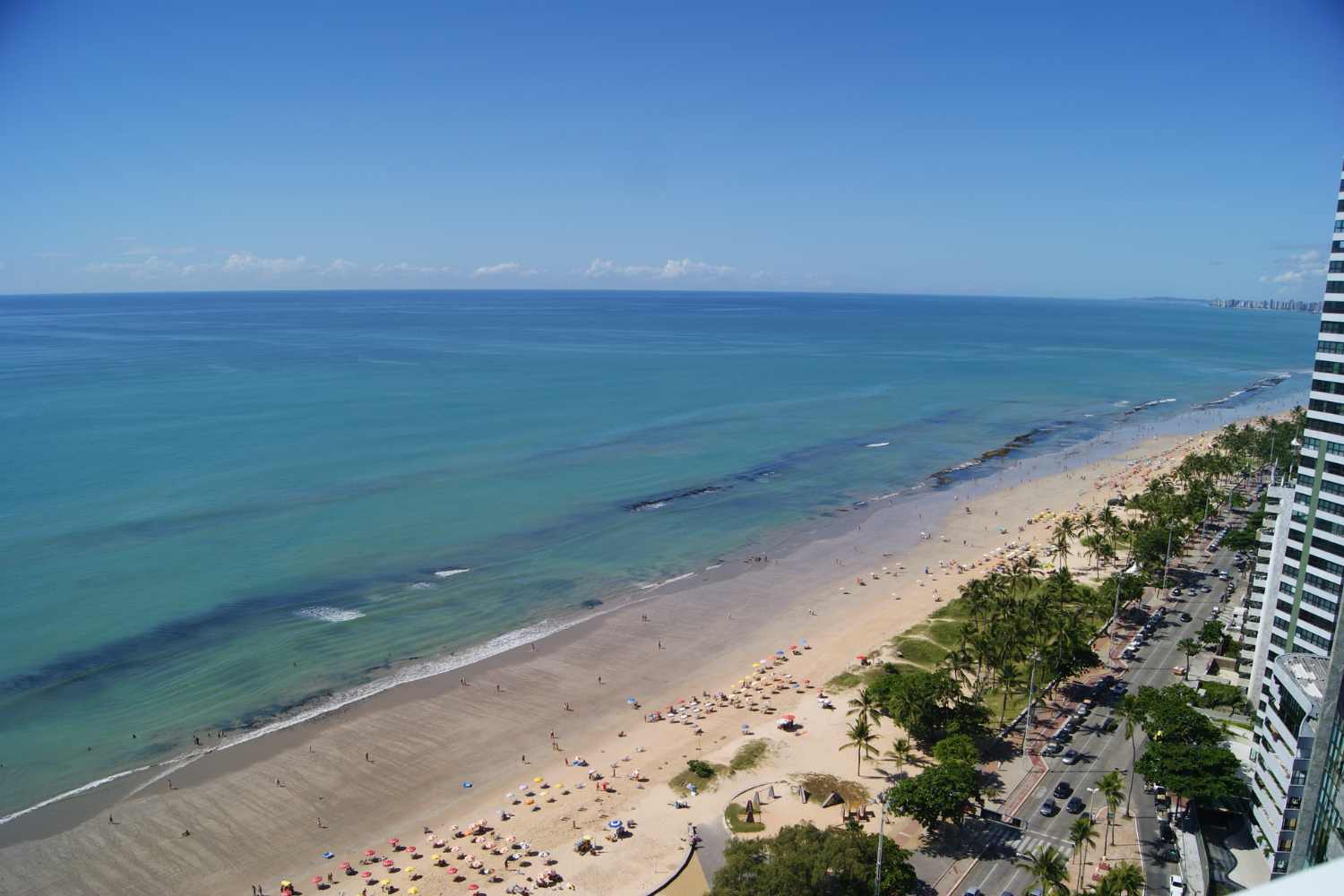
The main beach of the city of Recife, in the federated state of the pernambuco, attracts tourists from all over the world, even if it is no longer what it once was. Once considered safe, since 1992 – the year in which Porto de Suepe was inaugurated, one of the greatest Brazilian maritime ports – has become the scene of increasingly frequent attacks of sharks. More than fifty aggressions documented between 1992 and 2012, 21 of which are mortals.
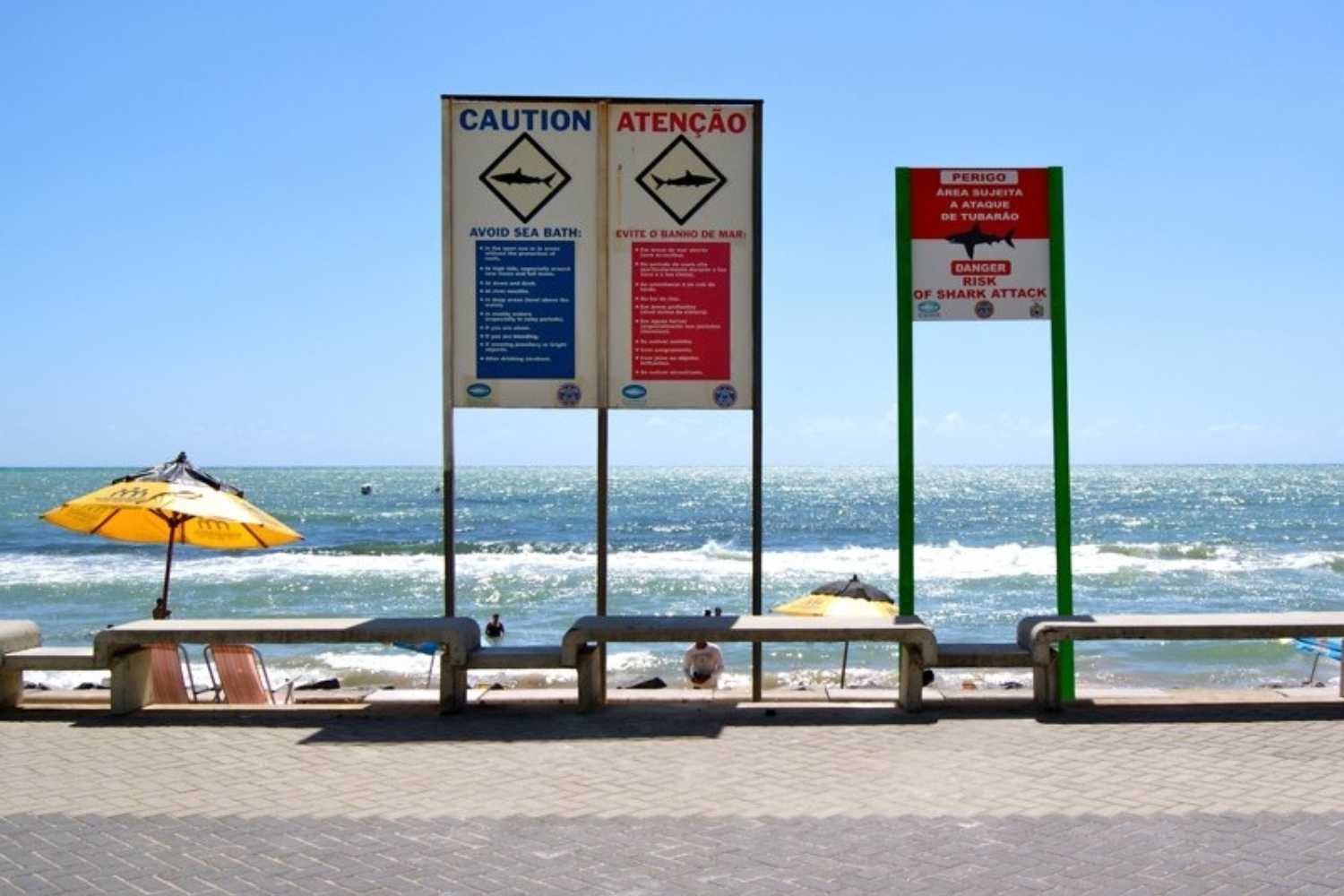
Environmentalists accuse the construction of the port: the destruction of the coral reef has allowed tiger and bull sharks to approach the coast. The signs prohibit bathing, even if many people ignore warnings with often tragic consequences.
New SMYRNA BEACH, FLORIDA
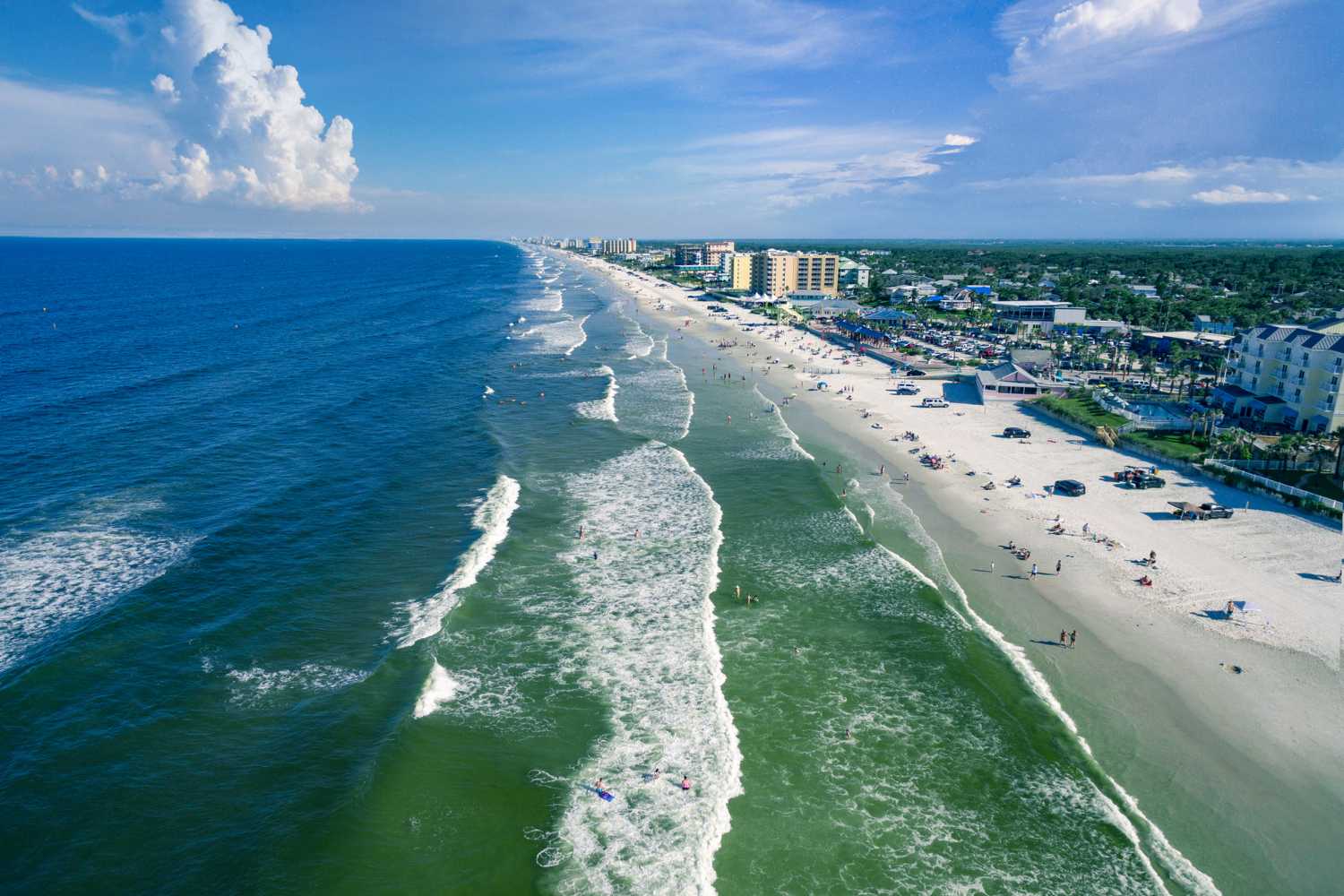
Seaside resort of the Florida holder of a truly disturbing record: the greatest number of shark attacks per square meter of beach, 238, who delivered her by right the title of “world capital of shark attacks”.
Those who enter the water has excellent chances of swimming near a shark without knowing it, given the numerous branch of sharks and black fin that populate the waters. Every year there are dozens of bites, fortunately never fatal (no mortal attacks have never been recorded). Surfers are the favorite victims: from the bottom, the silhouettes on the tables remember those of the seals.
Playa Zipolitite, Mexico
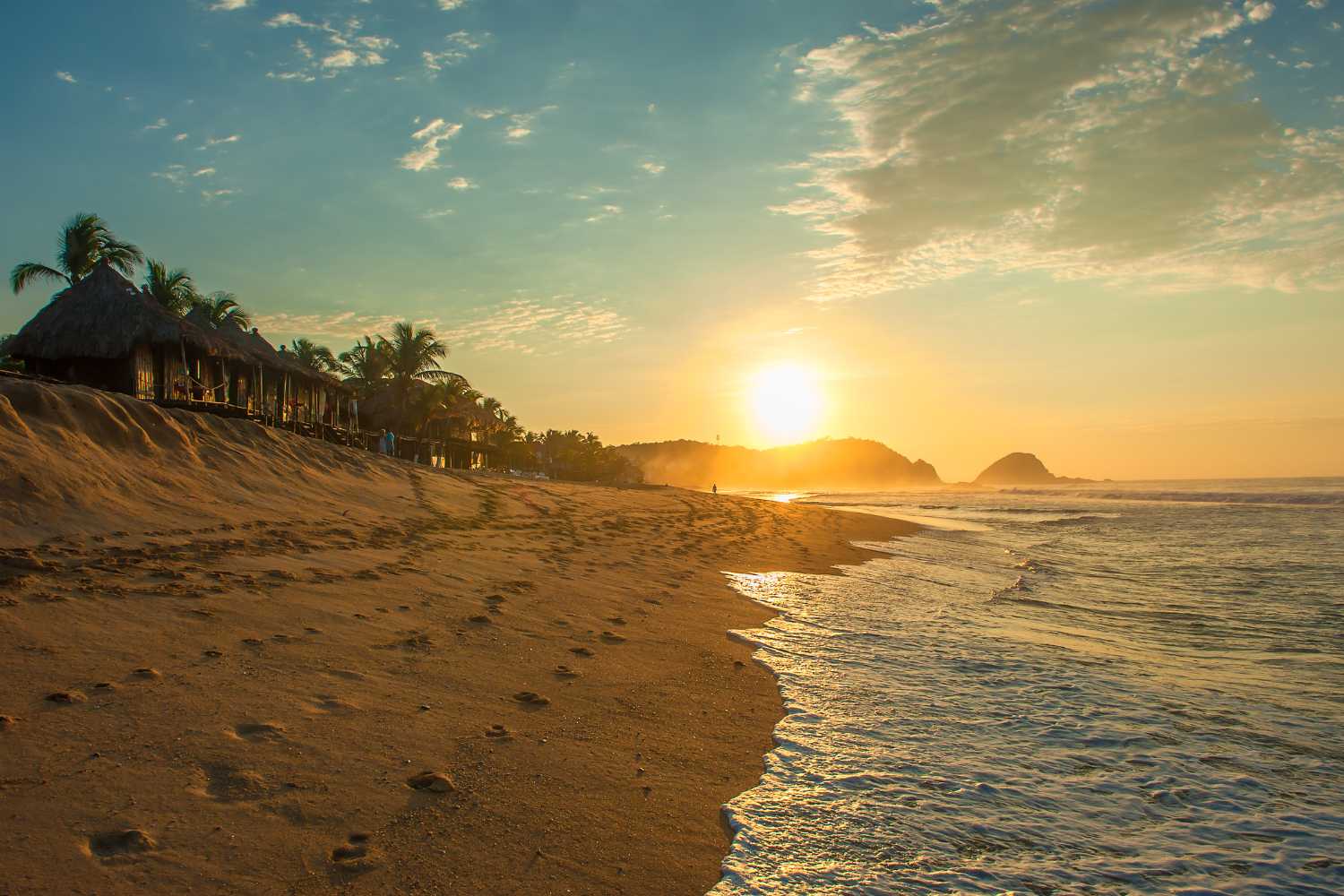
Already the nickname does not leave much room for fantasy: “Playa de los muertos”. Playa Zipolitite is the beach of the city of Oaxaca, famous in Mexico to be the only one where nudism is practiced, sadly known for the enormous danger. The beach hides of the unpredictable and violent reversal currents, which every year reap victims.
The waves can deceive: apparently quiet, while the reels that drag the swimmers into the open sea are formed under the surface. Dozens of people drown every year. The local lifeguards save hundreds of unwary tourists, many others disappear in the waves before someone can intervene.
Bikini atoll, Marshall Islands
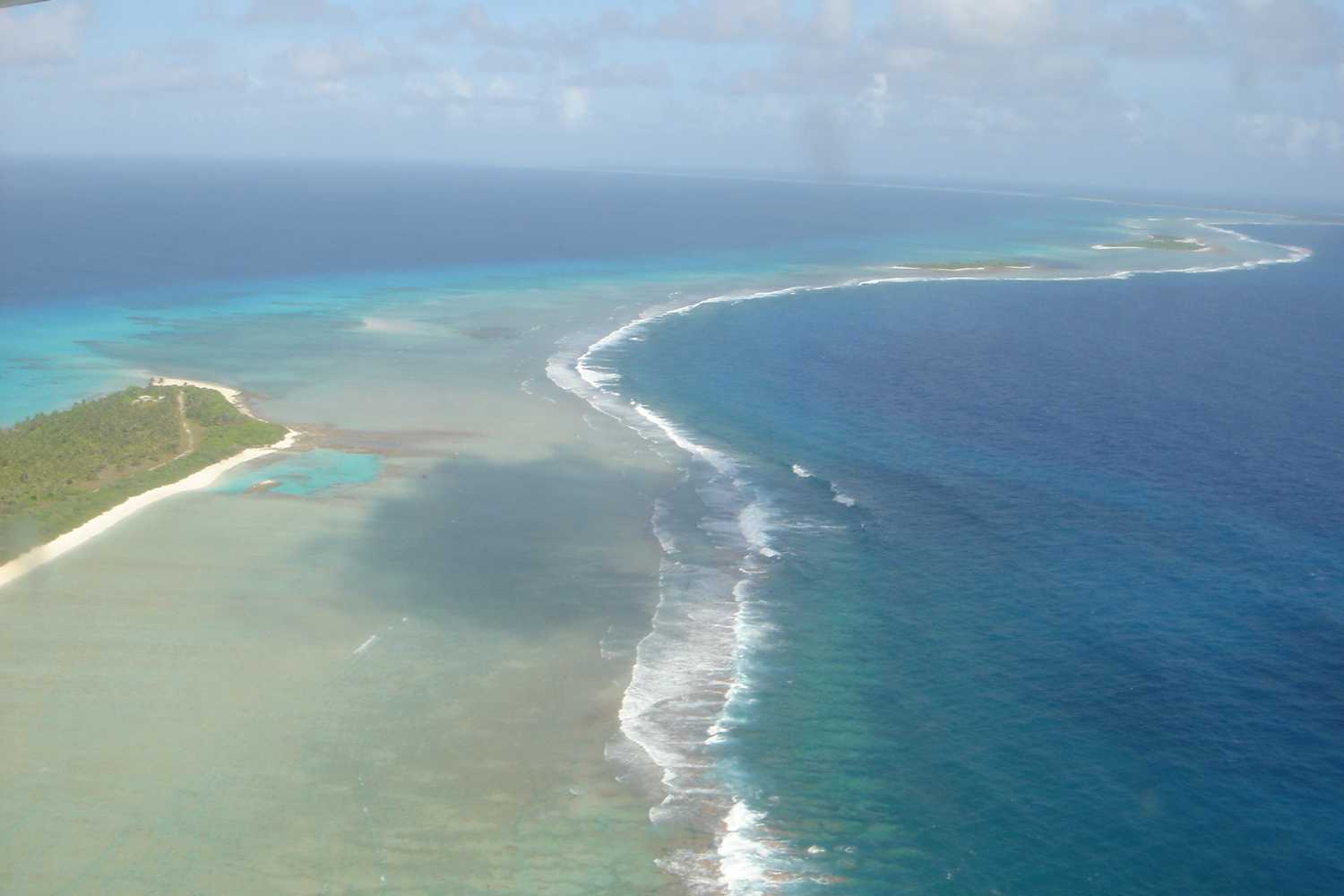
Between 1946 and 1958, during the crossroads and Castle Bravo operations, the United States exploded dozens of nuclear bombs on this Pacific atoll. The inhabitants fled and never returned again. In 1997 the authorities declared the area again habitable, even if nobody wanted to believe it.
They were right. The 2016 study “Measurement of Background Gamma Radiation in The Northern Marshall Islands” – conducted by Columbia University – has in fact revealed that the levels of radiation from Cesio remain dangerously high. White sand and turquoise waters hide an invisible contamination that can cause tumors and genetic malformations. A tropical paradise transformed forever into a mortal trap by human arrogance.
View this post on Instagram
Don’t you want to lose our news?
