
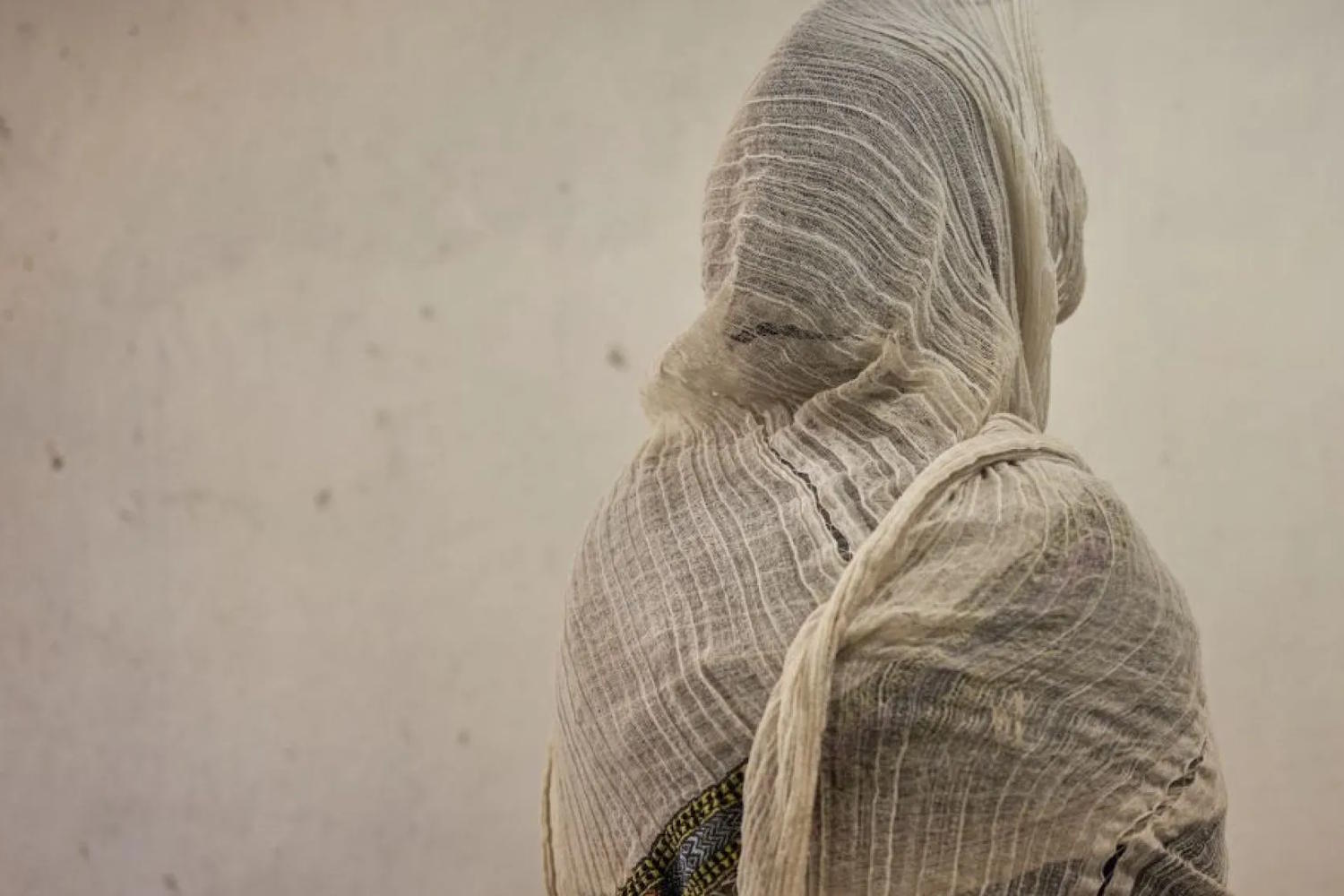
“We will make Tigray women cannot have children“This is the message written by hand on a plasticized sheet found in the cervix of a woman. Survivant for rape in Eastern Tigray, in Ethiopia, she had gone to a health center for those unbearable abdominal pains and foul -smelling vaginal losses. And from there the chilling discovery.
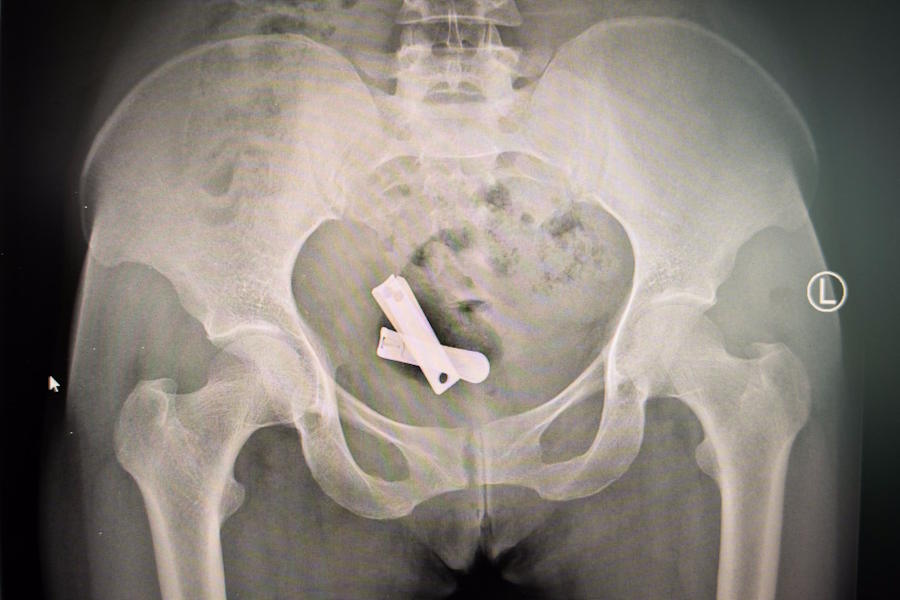
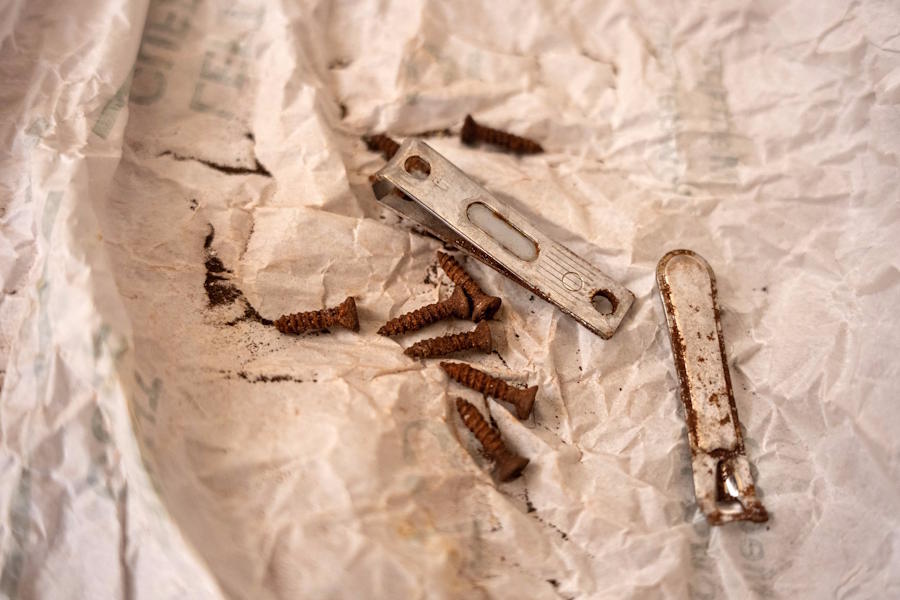
During the check with a speculum, in fact, the medical staff found themselves in front of the incredible: eight screws, debris of any kind and that piece of hand -written paper. And then a metal cutting cut that the woman had stuck in the uterus.
This is one of the testimonies collected in the new report You will Never Be Able To Give Birth: Conflict-Related Sexual and Reproductive Violence in Ethiopia, published by Physicians for Human Rights (Phr) and the organization for justice and responsibility in the Horn of Africa (Ojah). Research is the most complete to date on sexual and reproductive violence in the Ethiopian regions of Tigray, Amhara and Far between November 2020, the start of the war, and July 2024.
A sexual violence perpetrated in most cases by members of the Eritrean army, who at the time fought in support of the Ethiopian government.
Conflicts in Tigray
Tigray is one of the 9 regions of Ethiopia located north, on the border with Eritrea. As Save The Children tells, to find the recent origins of the conflict in today’s Tigray must be traced back to 2018, when the main Tigray party, the popular liberation front of Tigray (Tplf), who has always maintained a cardinal role in the region, refused the prospect of a unique national party proposed by Prime Minister Abiy.
This state of tension was further exacerbated when the prime minister has postponed the national elections due to Covid-19, effectively extending his mandate. In response, the TPLF has called regional elections completely independent of the national political process, receiving the government a harsh reaction: the elections have been declared illegal and the government has interrupted any type of funding to the Tigray region, pushing it into a state of insulation. The final result was the outbreak of the conflict of 4 November 2020.
The two -year conflict is now considered to be the bloodiest of the 21st century, with more than 600,000 deaths and at least 10,000 people victims of rape and attacks.
The survey and women who survived the sexual violence in Tigray
The research analyzed 515 medical records, in addition to making more than 600 polls with health workers and in -depth interviews with community leaders, nurses, doctors and psychiatrists. The study, which expands the results of a report published in 2023, confirms that “Crimes were committed in Tigray against humanity related to sexual and reproductive violence, in particular against women and girls, including the crime of forced pregnancy“.
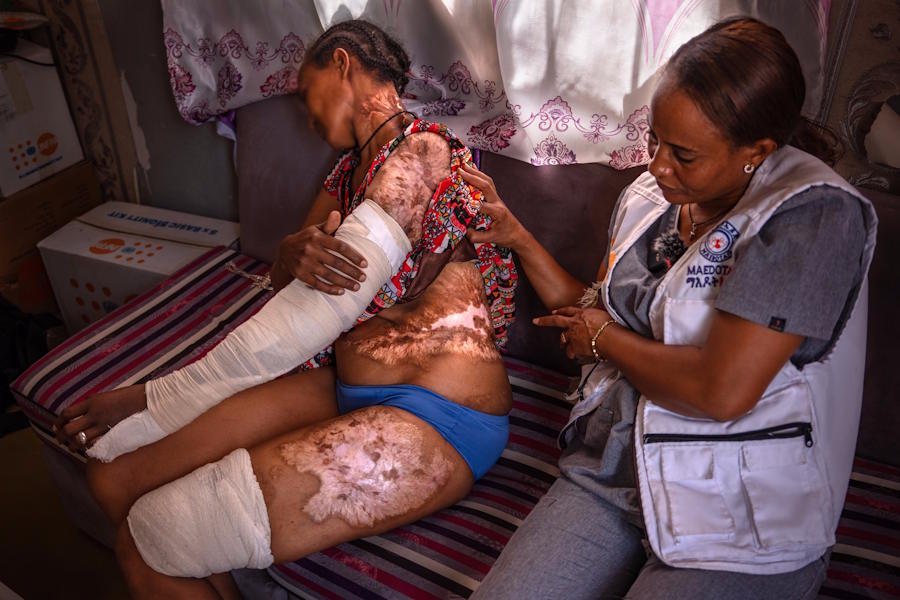
We took care of the women who were raped in front of their families – says a Tigray health worker who participated in the report. Psychologically traumatized have arrived very traumatized. In some cases, even the people who tried to protect them were killed in front of them.
The testimonies collected are of an inhuman brutality. A tigray reproductive health coordinator told of a woman forced to have sex with the corpse of her killed husband. Another story speaks of a mother who carried her five -year -old daughter on her shoulders: to her refusal to separate from the girl, the attackers fired both and then abused the woman.
When these women, exhausted, found the courage to go to the health centers, they collided with structures without the indispensable minimum: absent medicines, destroyed essential services, insufficient support.
There were no drugs to soothe pain, nor adequate equipment, especially in the most isolated areas, tells an operator.
The cuts to US funding for assistance to the victims of sexual violence arrived to worsen the situation. Services that were once free now must be paid, the funds available to the survivors have finished and medicines and supplies remain blocked in the warehouses.
It is not only the conflict that puts these women at risk – warns one of the authors of the relationship – but also the collapse of the system that should help them heal.
The report also deals with cases of sexual violence in the regions of Amhara and Afar. Here, even with a more limited data collection, atrocities emerge that configure war crimes and against humanity. In these areas, some attackers have even claimed to act for revenge against the crimes committed in Tigray.
The authors’ message is clear: when the managers are not punished, violence becomes normal, the victims are reduced to silence and peace remains fragile. For this they ask for all parties to respect international law and the international community to ensure independent documentation of crimes, credible paths of justice and responsibility mechanisms.
But hope in the field remains faint.
True justice is not only to imprison the culprits – concludes a healthcare profession of Tigraysignifica reconciliation, rehabilitation, reconstruction. Nobody is moving in that direction. Without a serious intervention of the international community, there is no future for these women.
Sources: Organization for Justice and Accountability in The Horn of Africa (Ojah) / Physicians for Human Rights (Phr) / Save the Children / The Guardian
