
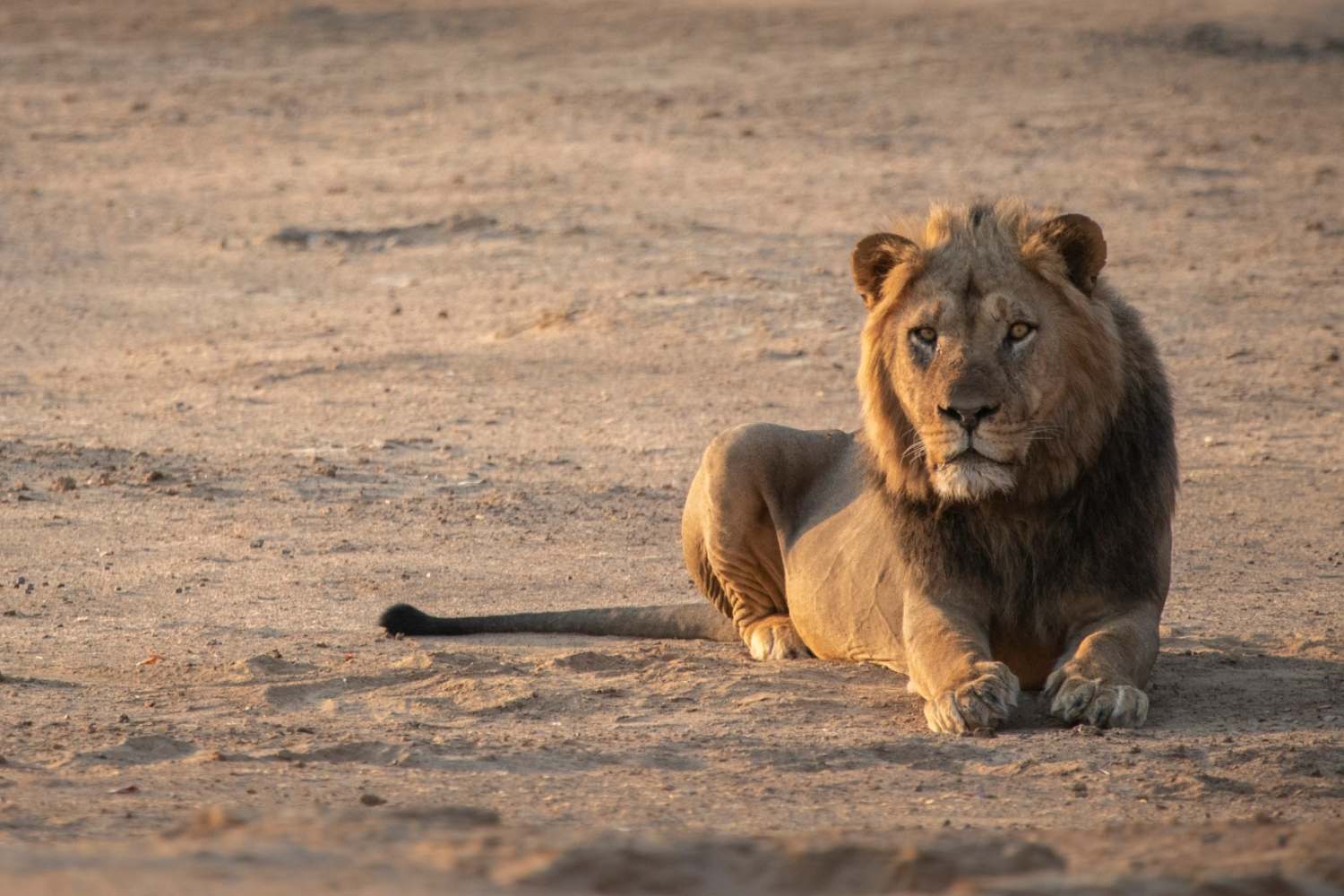
The news comes from Zimbabwe and once again shakes the world of conservation. Blondie, a 5 -year -old male lion, followed with a GPS collar for scientific studies, was shot down on the margins of the Hwange National Park in late June 2025. The animal was not any specimen: he was the leader of a pack with ten puppies, in the middle of his reproductive maturity.
A case reminiscent of Cecil
Blondie’s fate recalls that of Cecil, killed in 2015 in the same areas and became a symbol of the fight against the hunting of trophies. Just like then, even in this case the official justifications speak of a legal joke: according to the parks agency, hunters may not have noticed the collar. But for many environmentalists the topic does not hold up.
The criticisms of the associations
According to Africa Geographic, responsible for monitoring, Blondie’s death dismantles the rhetoric according to which hunters would limit themselves to hitting elderly males no longer useful for reproduction. Blondie, on the contrary, was “A specimen in the flower of the years“. The associations speak of an episode”deeply little ethical“, Underlining how even the presence of the collar did not stop the marketing of his killing.
The voice of the local communities
An interesting aspect is the position of the communities close to African parks. Recent studies of World Animal Protection show that over 85% of the inhabitants near the Kruger park in South Africa would be in favor of introducing a “lion tax”: a small contribution of tourists to be allocated to conservation. The idea is also reflected internationally, with 80% of visitors who would support a similar measure.
A global appeal
For many experts, Blondie’s death represents an alarm bell. It is time to say enough, they repeat organizations and activists, remembering that the hunt for trophies continues to subtract animals fundamental for the balance of ecosystems from nature. It is not just about saving the lions for tourism, but of guaranteeing a future for African biodiversity.
The Trophy Hunting of Blondie – A Young, Colilland Pride Male from Hwange – Has Reignited Concern Across Zimbabwe’s …
Posted by Africa Geographic on Friday, August 8, 2025
Don’t you want to lose our news?
You may also be interested in:
