
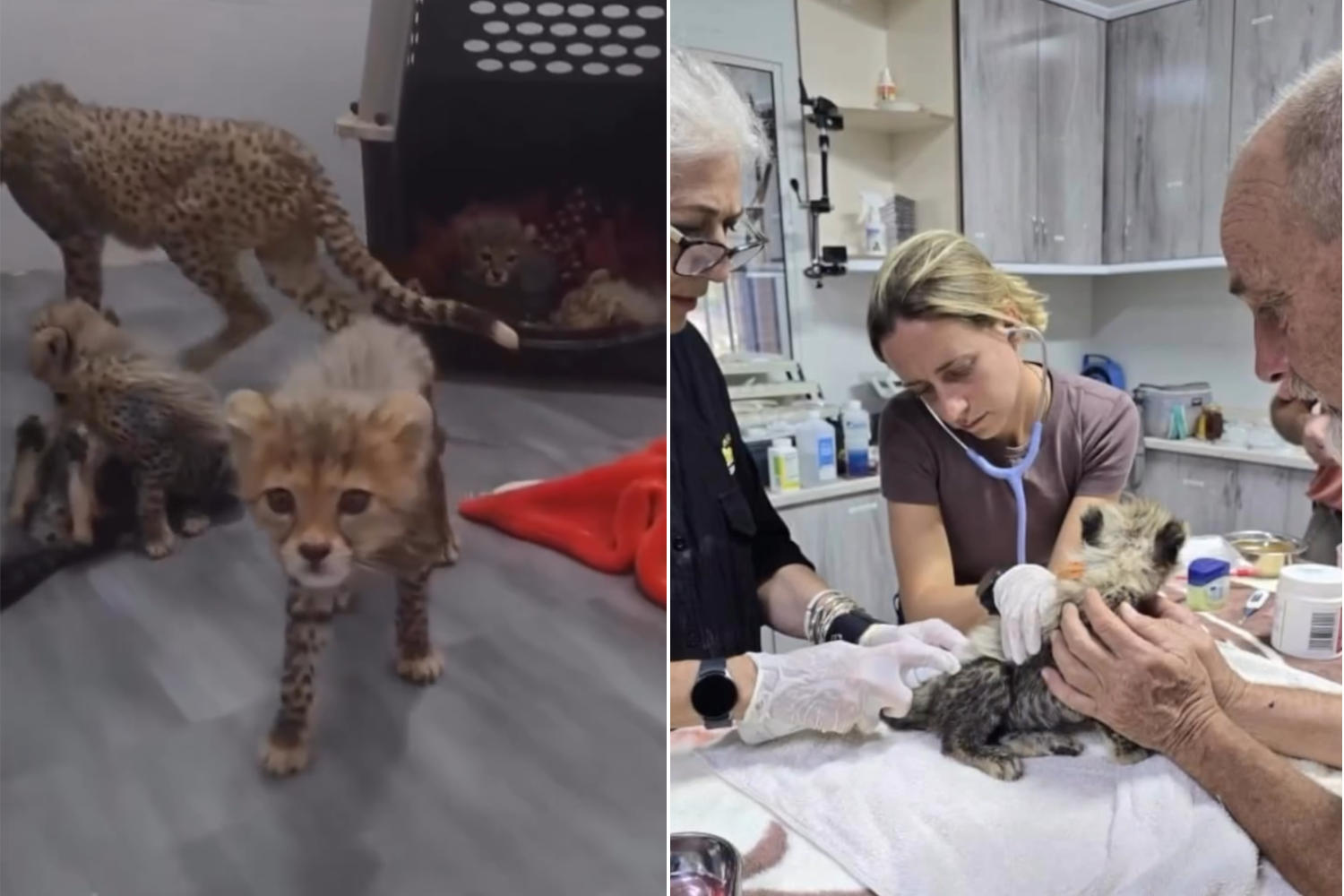
Ten puppies of cheetah, detained in captivity from birth and intended for international market markets of exotic fauna, have recently been saved in Somaliland, a self -proclaimed region of Somalia. The animals, subjected to months of mistreatment and deprivations, are now under the care of the Cheetah Conservation Fund (CCF).
Although they are all stable, the puppies had serious signs of malnutrition and motor difficulties due to chains and prolonged confinement. Laurie Marker, founder of the CCF, explained that an eight -month -old puppy was unable to walk after being tied for six months, while another five months was very malnourished, with wounds all over the body and infested with larvae under the skin. The recovery is delicate and requires a gradual administration of food, to avoid the so -called incorporation syndrome, similar to what happens in humans after long periods of hunger.
View this post on Instagram
Arrests and operations against illegal trade
During an operation in the northern district of Sallahley, two people were arrested for illegal detention of puppies. The director of the Ministry of the Environment, Abdinasir Hussein Said, said that the ten puppies joined 109 others saved in similar operations, underlining the importance of reporting suspicious activities related to the trafficking of wild animals.
Somaliland represents an important transit point for illegal fauna trade, with hundreds of ghepardi and leopardi from the horn of Africa and directed to the Gulf countries through the Gulf of Aden. Private detention of wild animals is illegal and local authorities lead periodic contrast actions against traffickers.
Hussein stressed that the protection of fauna in its natural habitats is essential, not only for the well -being of animals but also to preserve the ecosystem. The separation from the parents causes stress and can lead to the death of mothers, increasing the risk of the survival of children. Local and international conservationists warn against the increase in the demand for exotic animals in the Gulf countries, a phenomenon that feeds illegal trade and endangers the ecosystems of the region.
Don’t you want to lose our news?
You may also be interested in:
