
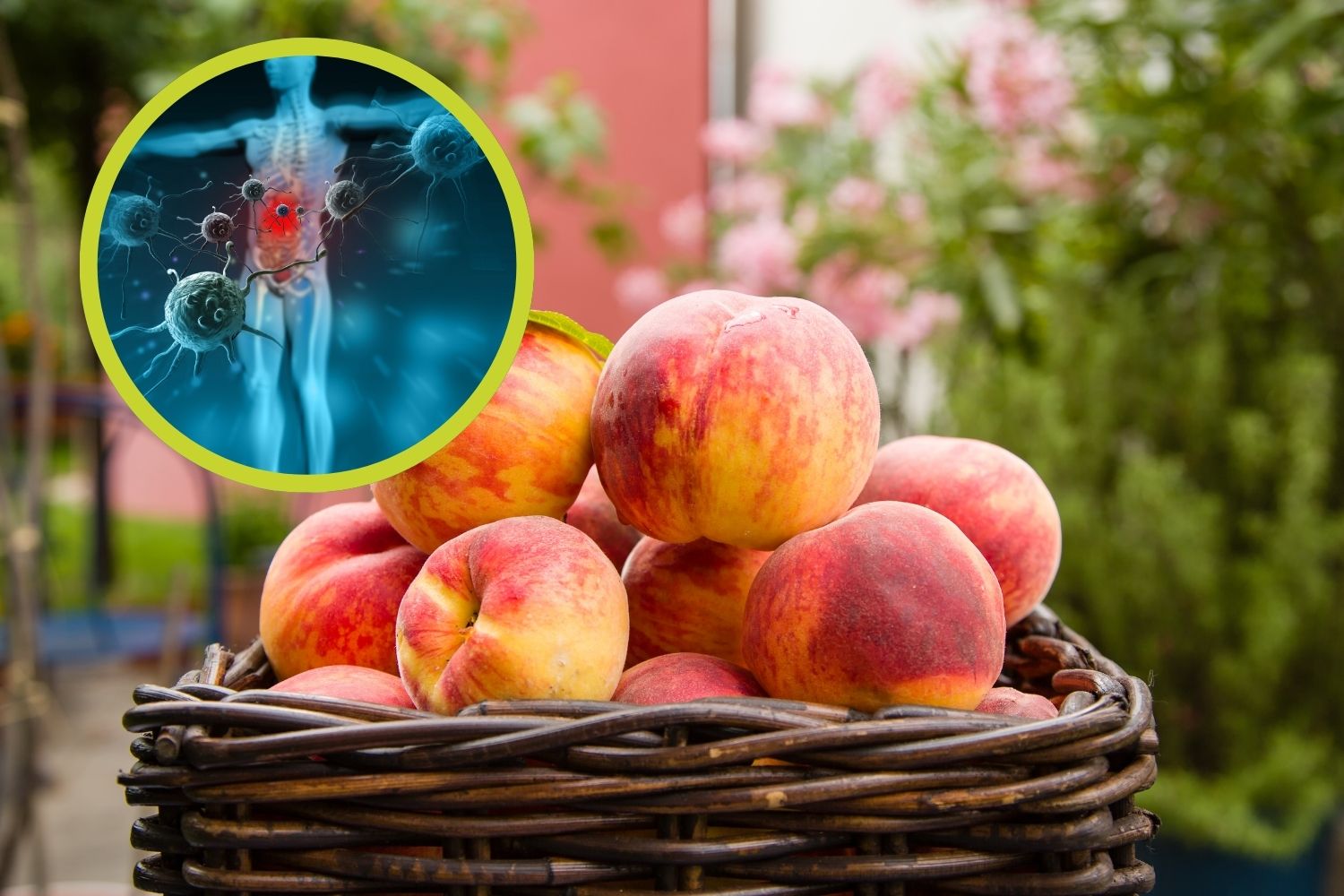
During the summer, peaches represent much more than a simple refreshing delight: according to experts, they offer a unique combination of hydration, benefits for the brain and cardiovascular support, all enclosed in a fruit with a soft and tasty pulp.
According to the data of the United States Department of Agriculture (USDA), the peaches are composed of about 89% from water, a value that makes them among the most moisturizing fruits, just behind Angurie and Meloni. Compared to other hazel fruits such as plums and net, peaches not only contain a higher amount of water, but also offer similar antioxidants with a lower calorie intake.
A particularly interesting aspect is that the hydration offered by the peaches is more effective than that obtained only with water. In fact, thanks to the content of natural electrolytes, these can help reintegrate and retain liquids better, a crucial factor in the hottest months or in the event of intense sweating.
A perfect mix for heart, intestine and immune system
The nutritionist Vandana Sheth, a feeding expert based in Los Angeles, underlines that peaches represent a natural source of fiber, vitamin C and potassium. These three fundamental nutrients help improve digestion, strengthen the immune system and support heart health.
A medium -sized fruit contains about 285 milligrams of potassium, an essential mineral that plays a key role in numerous body functions: nervous transmission, muscle contraction, liquid balance, blood pressure and cardiovascular health.
This value exceeds the content of many electrolytic supplements available on the market and covers about 8.4% of the daily requirement for men and 11% for women, as indicated by the National Institutes of Health.
However, much of the US population does not take on enough, a factor that, according to Centers for Disease Control and Prevention (CDC), increases the risk of developing cardiovascular diseases.
Flavonoids and carotenoids
The peaches contain flavonoids, vegetable compounds known for their ability to reduce the risk of heart disease, and to support memory and cognitive functions. At their side there are carotenoids, natural pigments that fight inflammation, protect the skin from the damage of the sun and, according to preliminary studies, could have anti-tumor effects.
As Professor Mary Ann Lila, an expert in the institute for Plants for Human Health of North Carolina State University, explained, the peaches combine two families of pigments rarely present together in other fruits or vegetables. This combination is what gives the peaches to their warm and bright color, but above all a value nutritional potential.
The pulp and skin of raw fishing also provide about 4% of the daily needs of vitamin A and 13% of vitamin C, as well as some gram of fibers that favor intestinal well -being.
How to enjoy peaches in a healthy way
Those who are attentive to the contribution of sugars – each fishing can contain up to 13 grams – can balance the glycemic index of the fruit by combining it with healthy proteins or fats. This strategy helps to slow down the absorption of sugars and keep blood sugar stable, explains Sheth, who is also a specialist in education and care of diabetes.
Some practical examples include: sliced peaches on whole wheat bread with almond butter, addition of peaches in yogurt or morning cereals, fishing -based smoothies and vegetable proteins, or grilled peaches with a pinch of cinnamon or chilli pepper for a spicy touch.
Don’t you want to lose our news?
You may also be interested in:
