
The “bunch” tropical storms, that is, that they follow each other quickly, are becoming less frequent in the north-western Pacific, instead becoming more common in the northern Atlantic, thus hitting more often than the first United States and the Caribbean. This is demonstrated by a study led byUniversity of Hong Kong which also identified the decisive factors of the phenomenon also global warming.
Tropical cyclones, commonly known as typhoons or hurricanes, do not always hit alone, sometimes they form clusters, with two or more storms that develop simultaneously inside the same ocean basin. This phenomenon is not uncommon: in history only 40% of tropical cyclones have occurred alone.
For example, in September 2024, the typhoon Bebinca and the tropical storm Pulasan they touched the ground a Shanghaithree days apart from each other, interrupting the infrastructures of the city before the recovery efforts could start at full speed.
Why study tropical storms in rapid succession
These bunch events can cause disproportionate damage, since the affected regions have a limited time to recover among the following storms. Therefore, understanding the mechanisms and tendencies behind these events is essential for the management of the coastal risk.
We wanted to understand if these grouping models are simply random or if there was something deeper in progress – explains Dazhi XI, co -author of the study. We have developed a probabilistic model to investigate whether the changes observed in cyclones clusters could only be explained by random factors
In fact, if the clusters simply form by chance, their presence had to depend only on the frequency of training of storms, on their duration and from the moment they occur during the season.
For this, scientists have built a model based on these three factors to simulate storms in the last decade, obtaining a reference base to be compared with real observations.
The results of the study
The results have shown that these bunches are increasing in the northern Atlantic, but down in the north-western Pacific and suggest that the changes in the frequency of storms are the main factor behind the move of their hot points of the clusters. Other factors, however, such as the duration and timing of the storm, carry out only secondary roles.
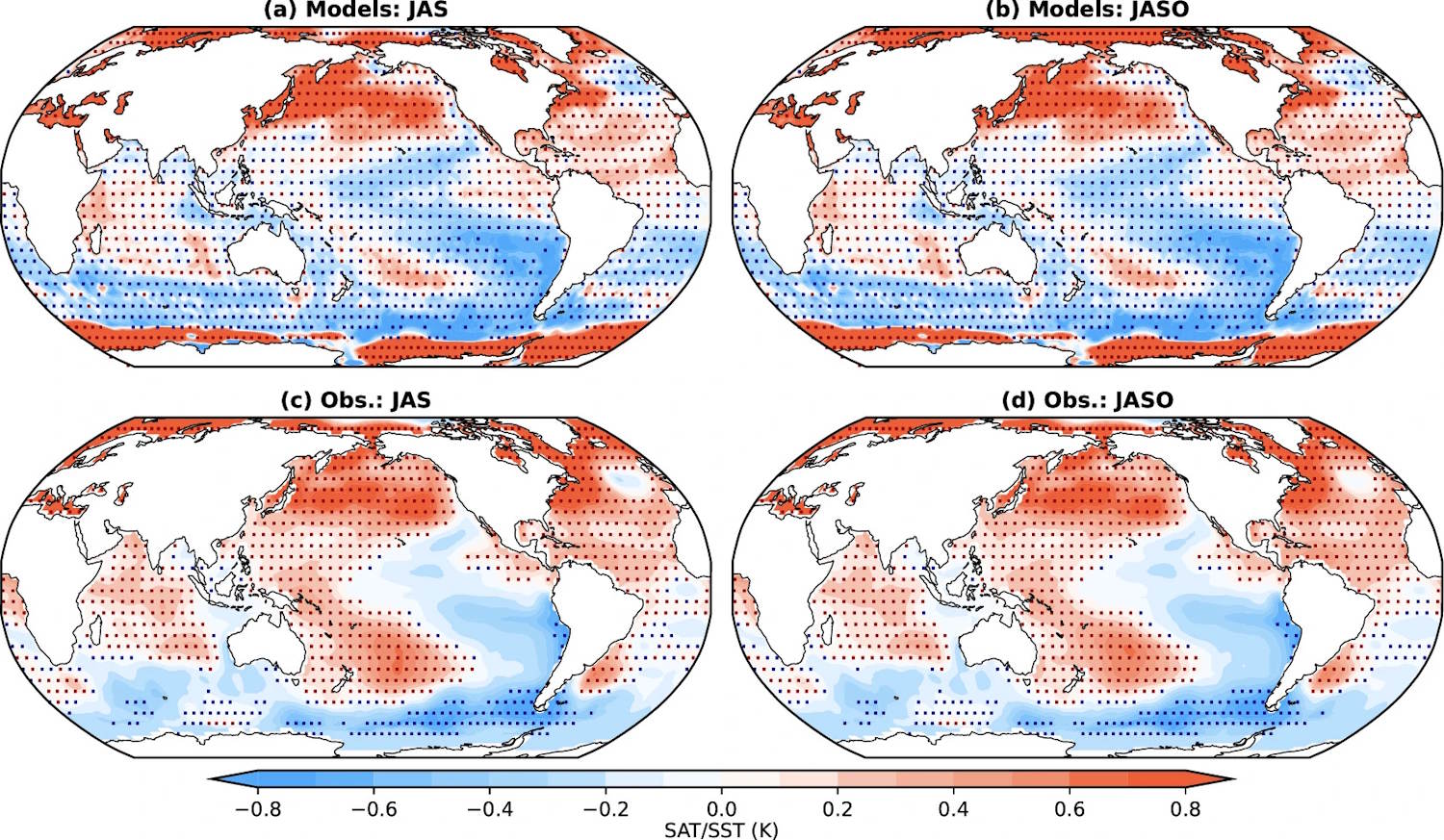
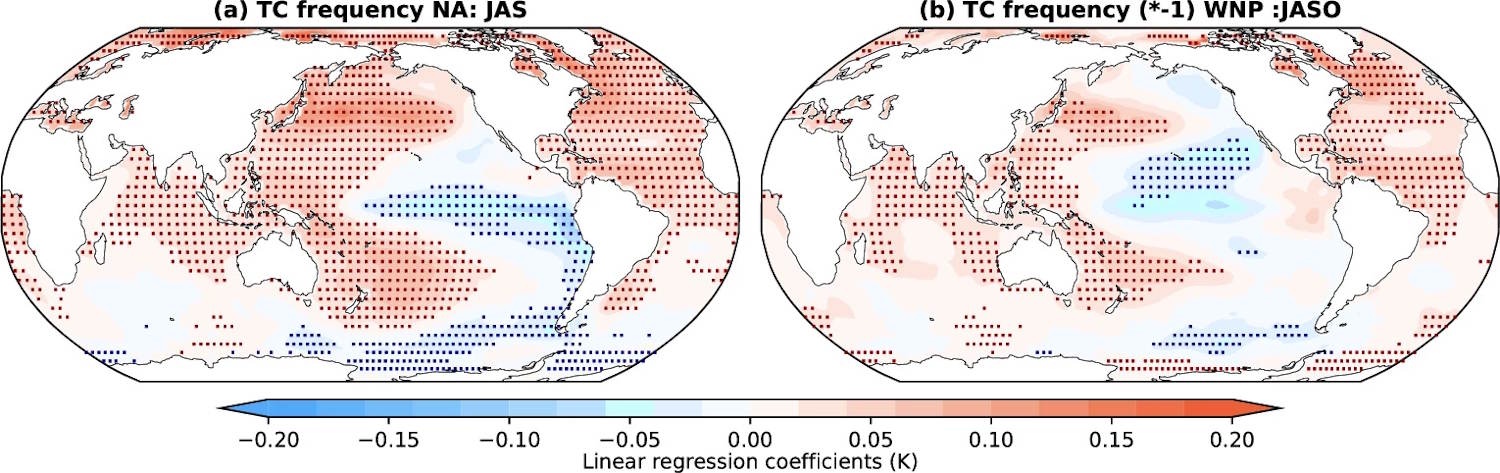
The collected data also indicate that the change in clustering models seems to be guided by a global warming model similar to The Niñain which the Eastern Pacific is heating more slowly than the western Pacific.
This heating model not only modulates the frequency of storms, but also influences the strength of the waves on a synoptic scale, further contributing to the movement of the clusters of cyclones from the Pacific to the Atlantic.
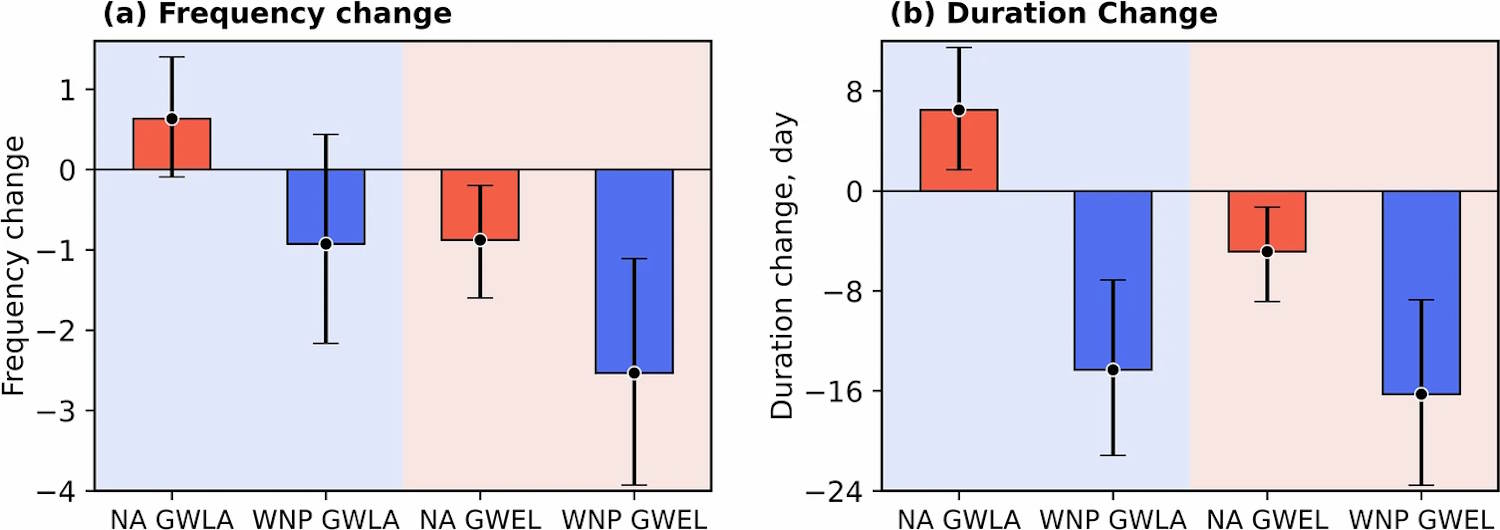
Research demonstrates very clearly the growing threat of consecutive tropical cyclones along the coasts of the North Atlantic.
For this – the researchers write – it is necessary to strengthen both coastal infrastructures and emergencies response systems, therefore improve the drainage system and resilience of the electrical network, as well as enhance the reliability of the water supply networks to resist the dangers of multiple storms. The prompt intervention teams will also have to be better prepared to manage multiple storm attacks in rapid succession
The work was published on Nature Climate Change.
Don’t you want to lose our news?
Sources: University of Hong Kong / Nature Climate Change
