
Walking in the midst of nature, among the mountain paths or along the Italian hills, is an experience that many love. The fresh air, the panoramas, the silence broken only by the wind or the chirping of birds. But it must never be forgotten that even the most beautiful nature hides pitfalls. And let’s not talk about wolves or vipers, but about something much more silent and subtle: poisonous plants.
Not all of them are ugly or threatening, indeed some are so beautiful that they seem to come out of a fairy garden, but a contact or a taste to transform a relaxing walk in a nightmare is enough. Here you find ten among the most poisonous plants you can meet in Italy, each with its dark side.
Aconite
Aconito (Aconitum Napellus) is probably the undisputed queen of Italian botanical danger. Those who see it for the first time could think of an ornamental flower, with those blue-violacean inflorescences in the shape of a small medieval helmet. In reality, it is enough to touch it without gloves to feel tingling in the hands and numbness. Aconitine, its chemical weapon, enters the nervous system and begins to slow down everything: the heart beats more slowly, the respiratory muscles are paralyzed, and if you do not intervene, the end arrives in a few hours. It grows above all on humid mountain land, between Alps and Apennines, up to 2000 meters. Nice to photograph, but only from afar.
Belladonna
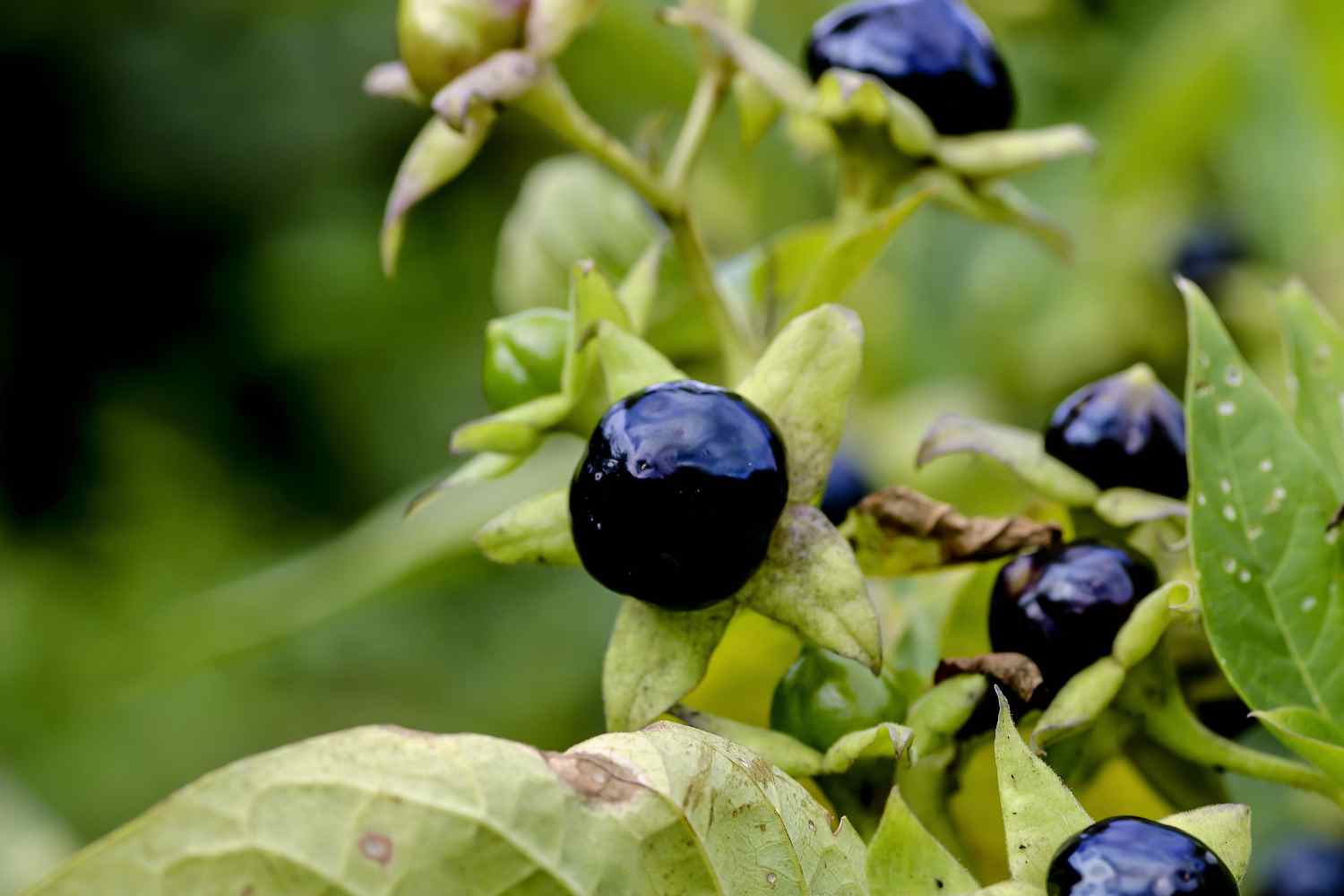
Then there is the Belladonna (Atropy Belladonna), a name that already seems to have come out of a dark fairy tale. In ancient times the ladies used it to dilate the pupils and appear more seductive, but paid the price in health. Today we know that each part of the plant is toxic, especially the black and shiny berries that look like sweet cherries. In children, two or three are enough to cause delirium, high fever, accelerated beat and, in the worst cases, coma. He lives in the woods and on the uncultivated land of Central-North Italy, often on the margins of the paths. A danger for those who love to collect fruits without thinking too much.
The oleandro
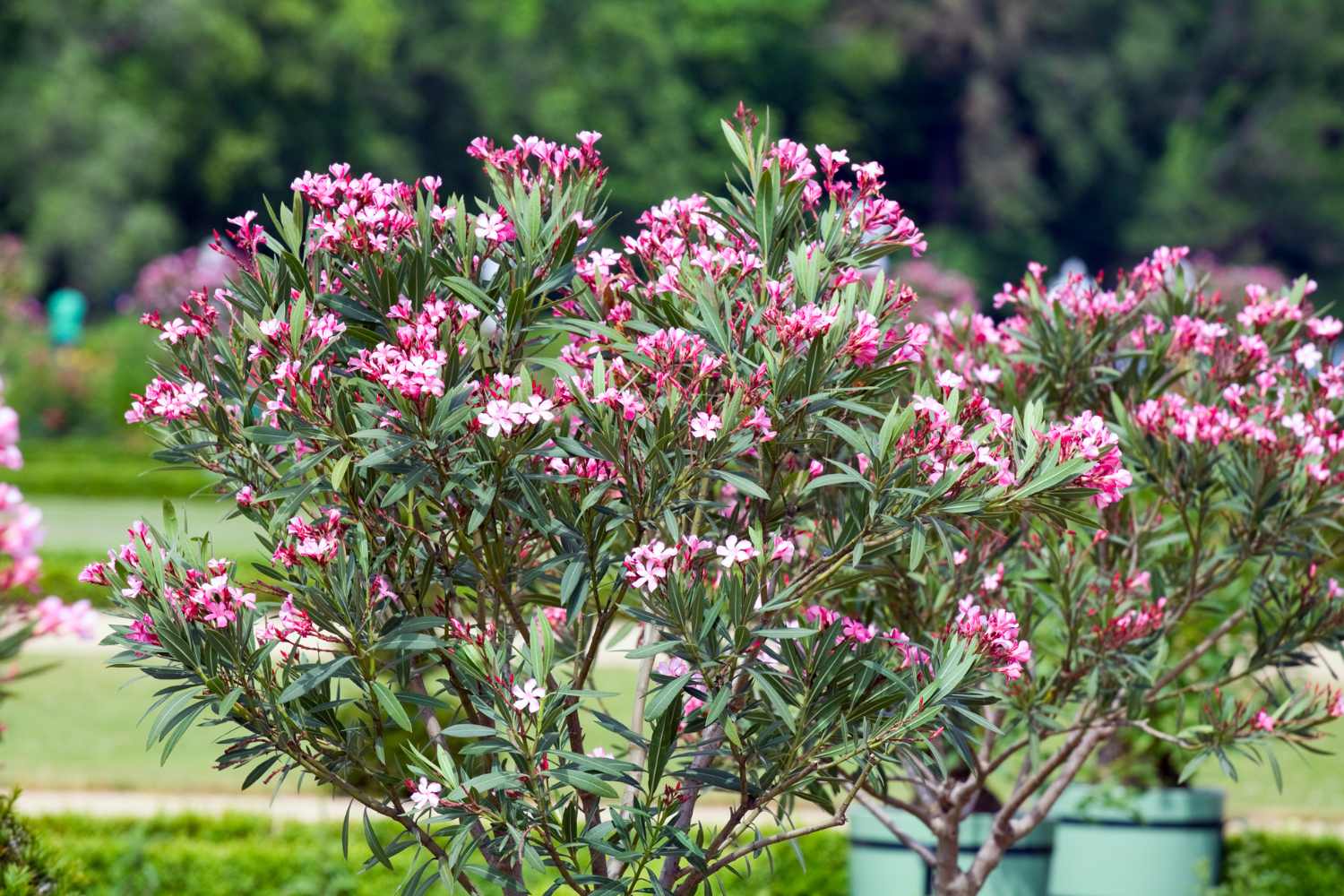
In warmer and coastal areas, and unfortunately also in many gardens, the oleandro (Nerium Oleander) appears. A beautiful shrub, with flowers ranging from white white to pink bright to intense red. Yet behind so much beauty is hiding a poison capable of stopping the heart. The oleandrin acts rapidly on the heart system, and it is enough to chew a leaf or drink water in which flowers fell to unleash nausea, vomiting, serious arrhythmias and death. It grows luxuriantly along the streets and near the houses, so much so that many do not suspect how dangerous it is.
Cicuta
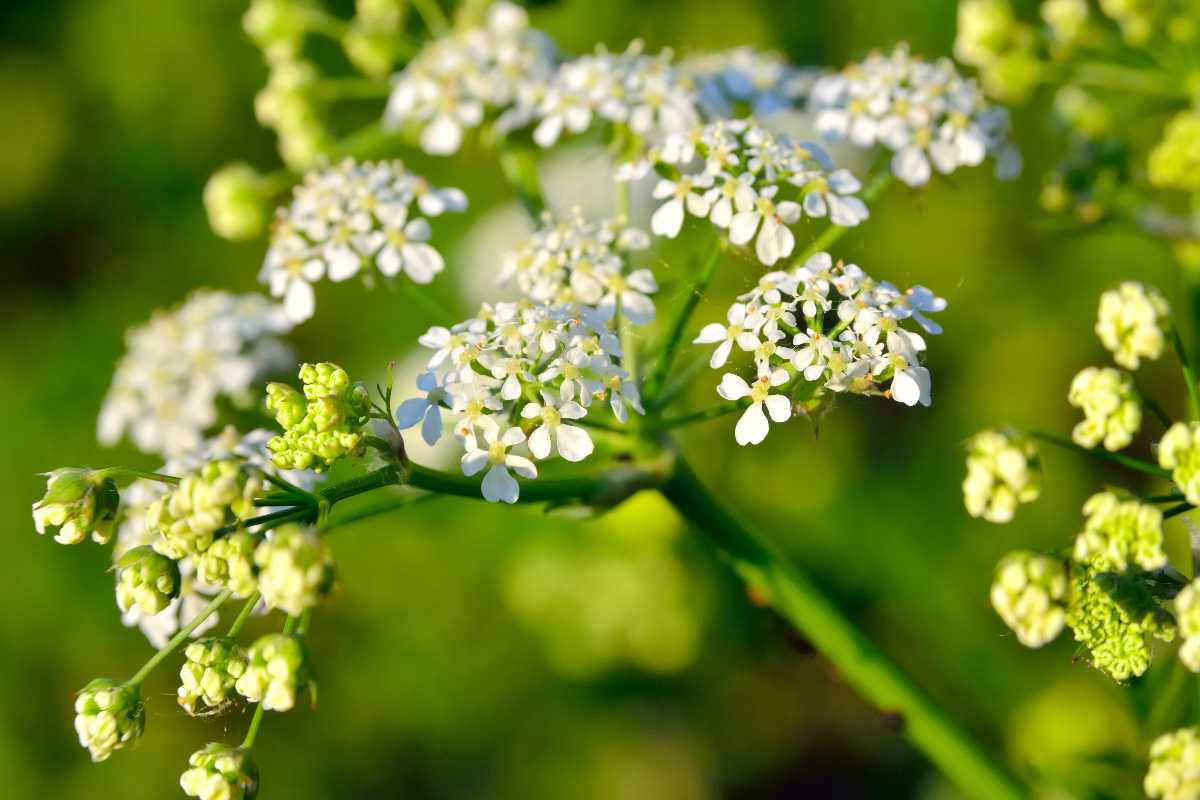
Another plant that history has made sadly famous is the Cicuta (Coniium Maculatum). The image of Socrates who drinks the poisoned cup entered the school books, and the poison was precisely that of this plant. It is recognized for the red stained stems and for the white flowers in an umbrella. He lives well in humid and uncultivated soils, and his poison, the cycutin, blocks the nervous system until it causes respiratory paralysis. Even in very small doses it can be lethal. It is a plant that does not attract the eye a lot, but precisely for this reason it goes unnoticed until it is too late.
Spontaneous plants: discover the difference between poisonous cicuta and wild carrot to not make a mistake in spring
The rate

Tasso (Taxus Baccata) is an elegant evergreen tree, with needles and red berries that look like candies. In reality, the red pulp is the only non -toxic part, but the seeds inside, as well as needles and cortex, contain taxina, a substance that slows down the heart and can lead to coma and death. It grows both in the hilly and mountain woods and as an ornamental plant in the gardens. It is a silent poison, because the initial symptoms – confusion, weakness, tremors – may seem harmless until it is too late.
Digital
Then there is digital (Digitalis Purpurea), famous for its purple bellula flowers that hang like small street lamps. In medicine, the cardiac glycosides it contains are used to treat some heart diseases, but in wrong doses they become deadly. Those who ingest it by mistake can have nausea, visual disorders, arrhythmias and cardiac arrest. He lives in the hilly and mountain areas, especially in the northern Apennines, and is often grown in the gardens for its beauty. A perfect example of how a plant can be at the same time a drug and a poison.
The Stramonio
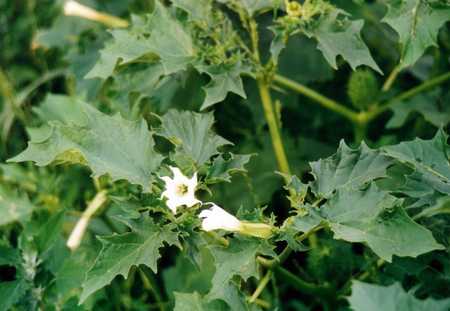
The Stramonio (Datura Stramonium) is also called “Devil’s grass” and not surprisingly. The large leaves and thorny fruits full of black seeds do not leave indifferent. The alkaloids that contains – atropine, scopolamine – cause vivid hallucinations, mental confusion, tachycardia. In small doses it can give a psychotropic effect, but it is enough to transform it into a fatal experience. It grows in uncultivated areas and abandoned fields, especially in the center-south. It is a plant that often intrigues, but it is among the most dangerous for those who do not know their properties well.
Spinach contaminated by Stramonio: new food alerts are risking, “more rigid measures are needed”
The mandragola
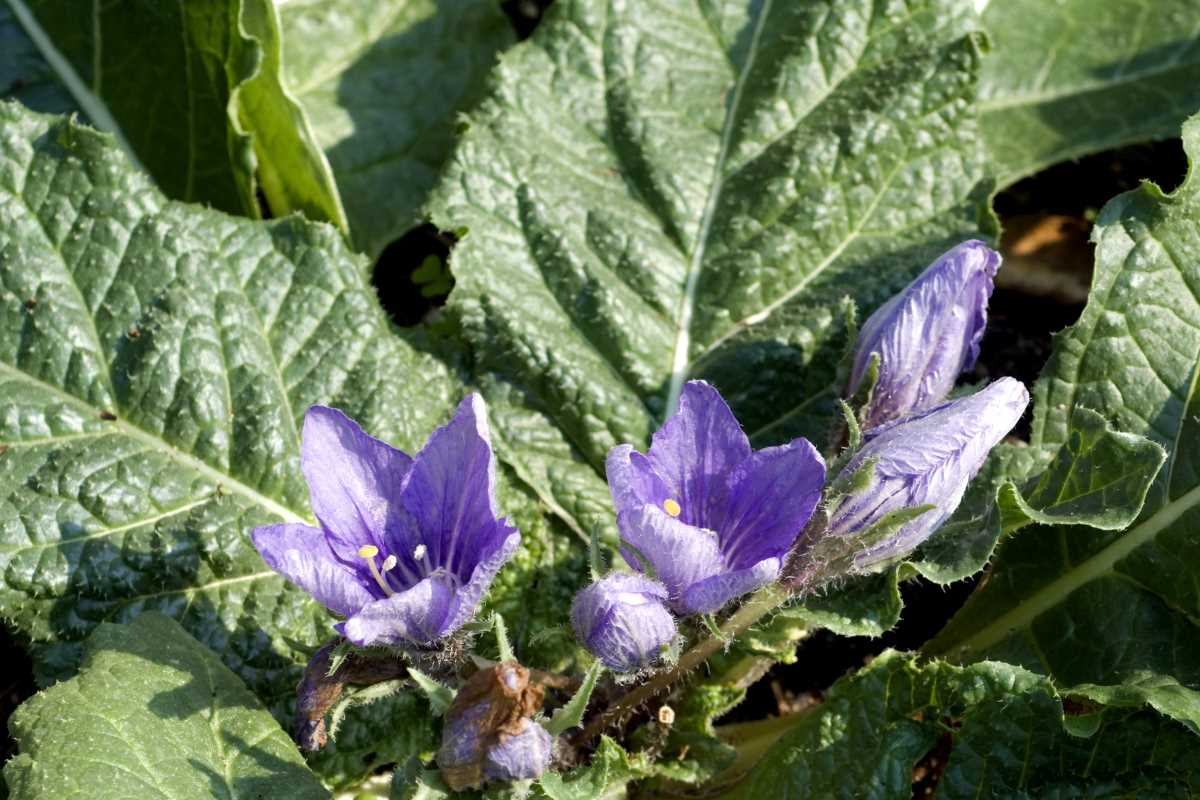
La Mandragola (Mandragora Autumnalis) is surrounded by legends. In the past centuries, it was believed that its roots screamed when they were extracted from the ground and that they had magical powers. In reality, it contains narcotic alkaloids that can cause deep sleep, hallucinations, and in the worst respiratory arrest. The leaves grow in rosette and the fruits resemble small yellow apples. It is located in Mediterranean and coastal areas, and still attracts curious and enthusiasts of historical herbal medicine. But the border between “potion” and “poison” here is thin.
The Delfinio
Delphinium (Delphinium spp.) Remember aconito very much, with its intense blue flowers that decorate mountain meadows and alpine clearings. It is not among the most lethal, but its alkaloids can still cause muscle paralysis and respiratory problems if ingested in large quantities. In pastures it can be dangerous for cattle, and it is not uncommon for it to be mistaken for an ornamental plant. It is a beauty that deceives, especially for those who love to collect wild flowers without knowing them.
The ephedra
Finally, there is the ephedra (Ephedra Standchya), less lethal than the others but still to be treated with caution. Bushy shrub with small green flowers and red berries, contains ephedrine, a substance that stimulates the nervous and cardiac system. In large quantities it can cause hypertension, tachycardia and even cardiac arrest. In the past it was used as a natural remedy against tiredness, but abuse is dangerous. He lives in arid and hilly areas, especially in the Mediterranean.
To protect yourself, the number one rule is simple: never touch or taste plants that are not known. The bright colors and shiny fruits are often a warning of nature, not an invitation. Avoid collecting wild berries “to try” and always wash your hands after walking between the vegetation. Italian nature is splendid, but requires respect. Knowing how to recognize these plants is the first step in living safe excursions, without giving up the beauty of the landscape but avoiding hidden risks.
Don’t you want to lose our news?
You may also be interested in:
