
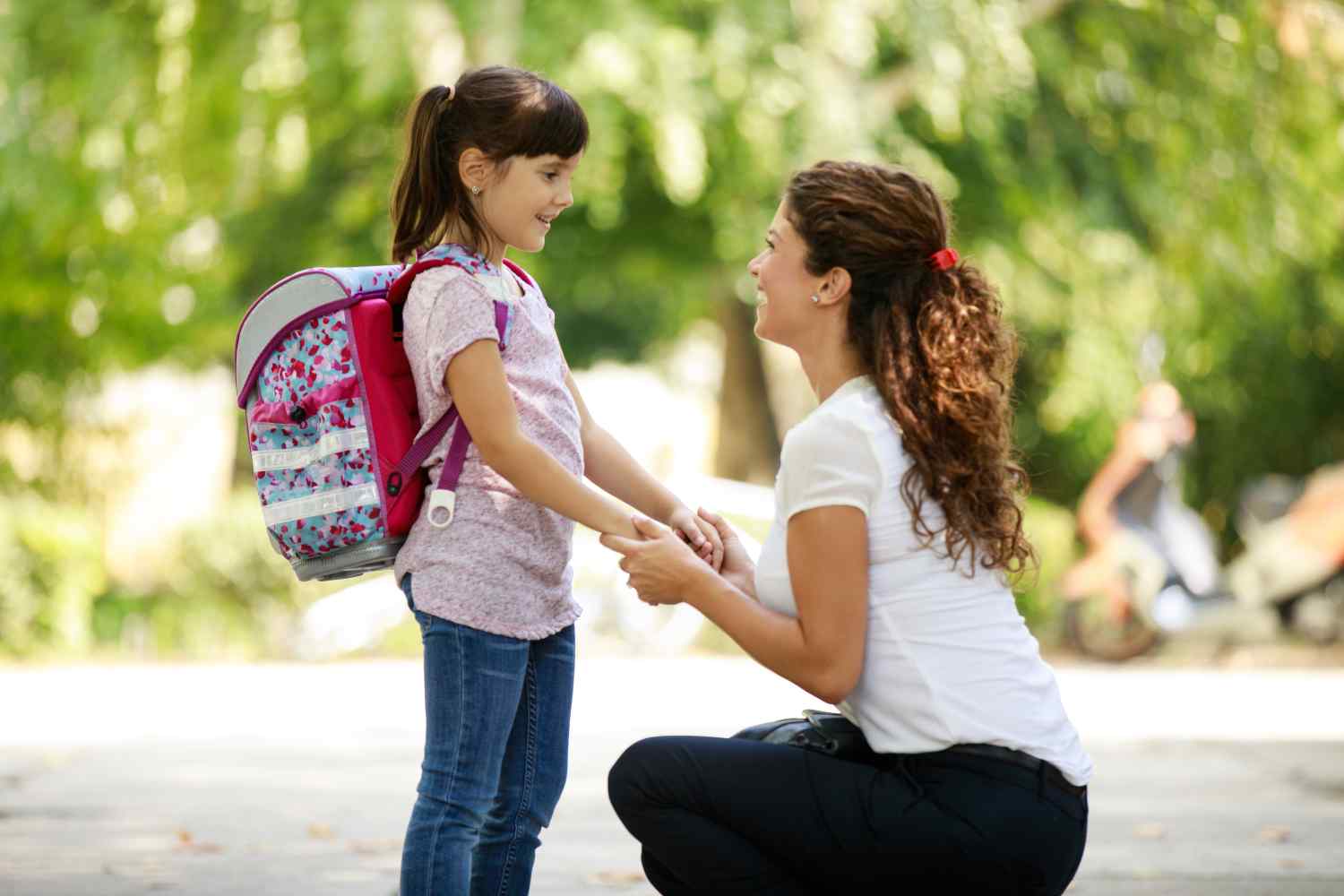
From the times of the holiday to the school hours: more than a leap, a shocking hyperbole for each child. Unless you get prepared (and for parents: ditto with potatoes).
So here are 4 tips to begin to follow the seat of the right to avoid an additional baggage of changes from change as well as anxiety and nervousness that may take over from the item “Return to school”. Let’s see them together.
First: change gradually, the daily routines
The times of the holiday are not those of the school, obviously but it is essential to return to the seconds, gradually planning the change of times for subsequent adjustments but in order to have at least two or three days – before the start of the school – in which you have already settled on the routine which must then be followed during the year.
Concretely it means to consider that the child must sleep enough (at least 8-10 hours per night, as the American Academy of Sleep Medicine suggests) and that it is necessary to go to bed first of the usual, in order to guarantee a sufficient rest of rest also in relation to the new time when it will be necessary to wake up.
Before going to bed, in the previous half hour at least, no video games, TVs or other visual, sound, emotional stresses: a more “quiet” environment will facilitate sleep.
This also means limiting smartphones and tablets: the blue light of the screens can delay the falling asleep. If you want, you can use smart watches or sleep monitoring apps (now widespread even among the youngest) to help children become more aware of the actual hours of rest.
Second: good healthy food at the right time
Summer is also a little food unrelativeness, often more random times. But it is time to set up a more varied and healthy diet, rich in fruit and vegetables, poor in added sugars (allows to maximize energy, facilitate attention and study), in the hourly bands that the new school routines allow.
Obviously: never forget the perfect breakfast, a light snack in the middle of the morning, a fruit in mid -afternoon and dinner at least two hours before goodnight. As a rule, do not eat with the TV on.
Today more and more families choose “intelligent” snacks ready – protein bars, drinking yogurts or packaged dried fruit – which are fine, provided that without added sugars. Do not forget the hydration: pediatricians report that many children drink too little during the day. A bottle always at your fingertips at school can make a difference for energy and concentration.
Third: game and more
The time of the game, possibly in the open and social, with other children, must always be guaranteed but it is important to reintroduce gradually – providing them specifically in daily planning – more “didactic” activities such as reading a book, the conclusion of the homework for the holidays. Starting from what you like, you can resume training the mind with a view to school learning and thus make the return to student duties less difficult. It is also the right time to start thinking, supporting the tastes and inclinations of the child, to a sporting activity and a creative that he can follow, during the year, in a part of his free time from the school.
Fourth: talk about it and listen
The attitude of the parent – who underlines the pleasure of finding classmates (or having new friends), the possibility of doing many beautiful activities – it is important but at the same time it is essential to leave the child space for the expression of his possible fears, anxieties. The moment must be sought, created: a quiet opportunity, in which to be able to speak together, sharing his mood (on the theme of his return to school) and expressly asking the child how he feels, what he liked about the previous year and what he expects what he is coming, how the change that is waiting for him lives.
This open, manifest and clear interest will help him speak, clarify, reassure himself, download any stress and will be a good opportunity, for the parent, to reassure him on his presence, on the fact that there will always be and will be able to count on him at any time or any difficulty of study, relationship etc. should be presented.
In 2025 it is also worth dealing with the theme of digital: the return to school also means returning to class chats and online groups. Talking openly with the children of Cyberbullying, virtual friendships and conscious use of social networks is essential to prevent inconvenience.
In the same way, the social anxiety that some children can try in crowded or new environments should not be underestimated: discussing them in advance helps them feel safer.
Finally: if it is the first time that enters that school, the week before the start of the lessons it makes sense to predict a “small trip” from the outside, to make the environment more familiar.
Don’t you want to lose our news?
