
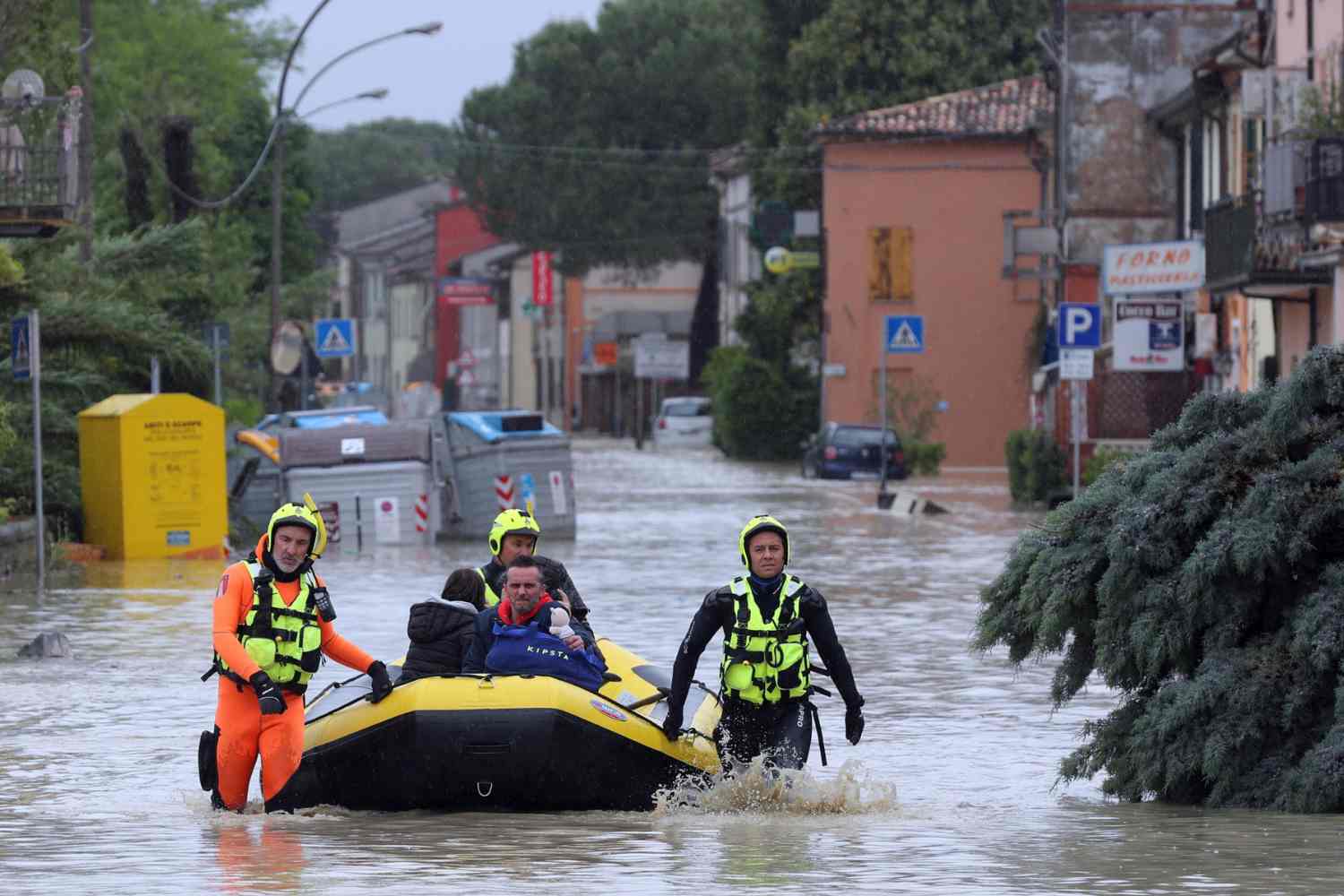
The mud that attaches to the walls of the houses in Romagna, the land split by thirst in Sicily, the asphalt of Milan that can no longer contain the floods. They are images of a crisis that concerns us all, but that we do not all live in the same way.
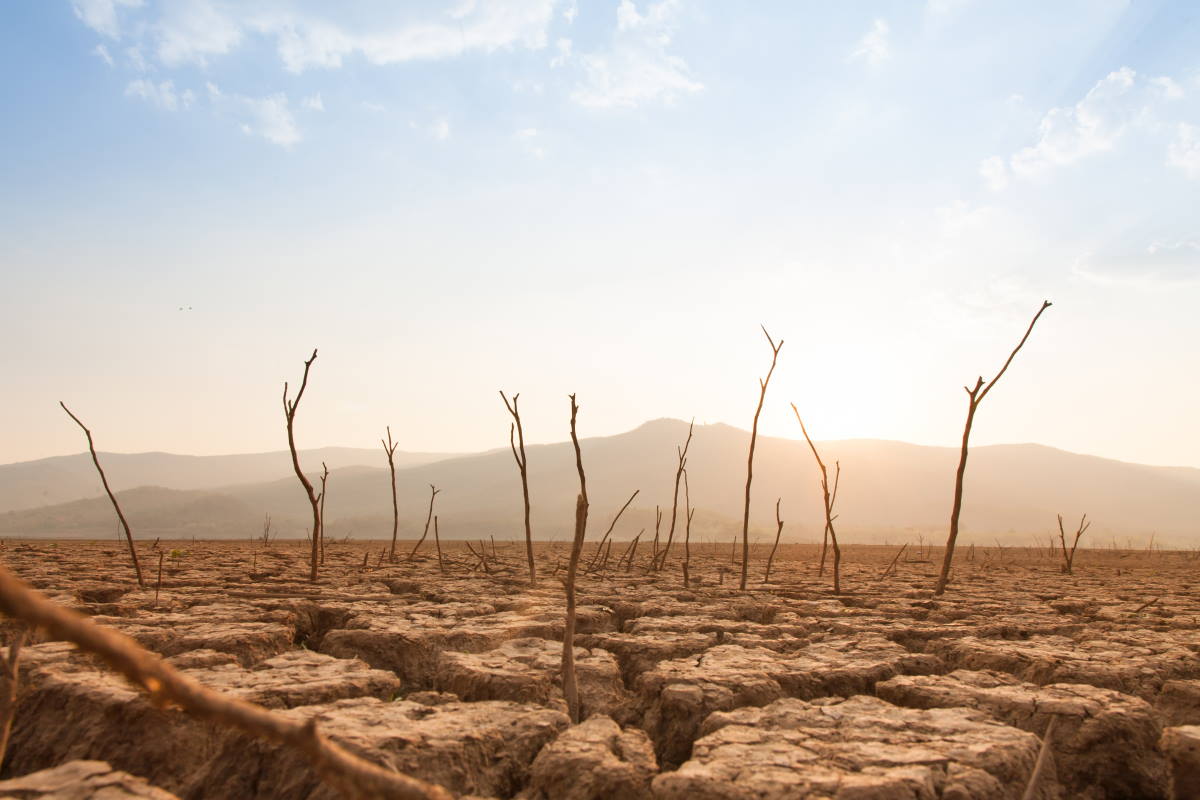
The climatic emergency is not a social leveling; On the contrary, it is a magnifying glass that reveals and amplifies the existing wounds, tracing a ruthless map of inequality. While the planet heats up, it is always the same people who pay the most salty account: those who live in areas at risk, who have a low income, those who are elderly, those who belong to a minority.
Climate justice is not a slogan
This awareness obliges us to speak of “climatic justice”, a concept that goes far beyond environmental sustainability. If the latter focuses on the “protection, protection and safeguarding of natural resources”, climatic justice puts the rights and equality at the center.
For us, talking about climatic justice actually means talking about the rights of people and equity of the ecological transition, underlines Claudia Mazzanti, contact person of the inclusion for a fair transition project.
It is a principle that, as explained by the Actonoid report “involvement of communities in conditions of fragility and marginality in policies for adaptation to climate change”, is based on three interconnected pillars.
The three faces of climatic agaustizia
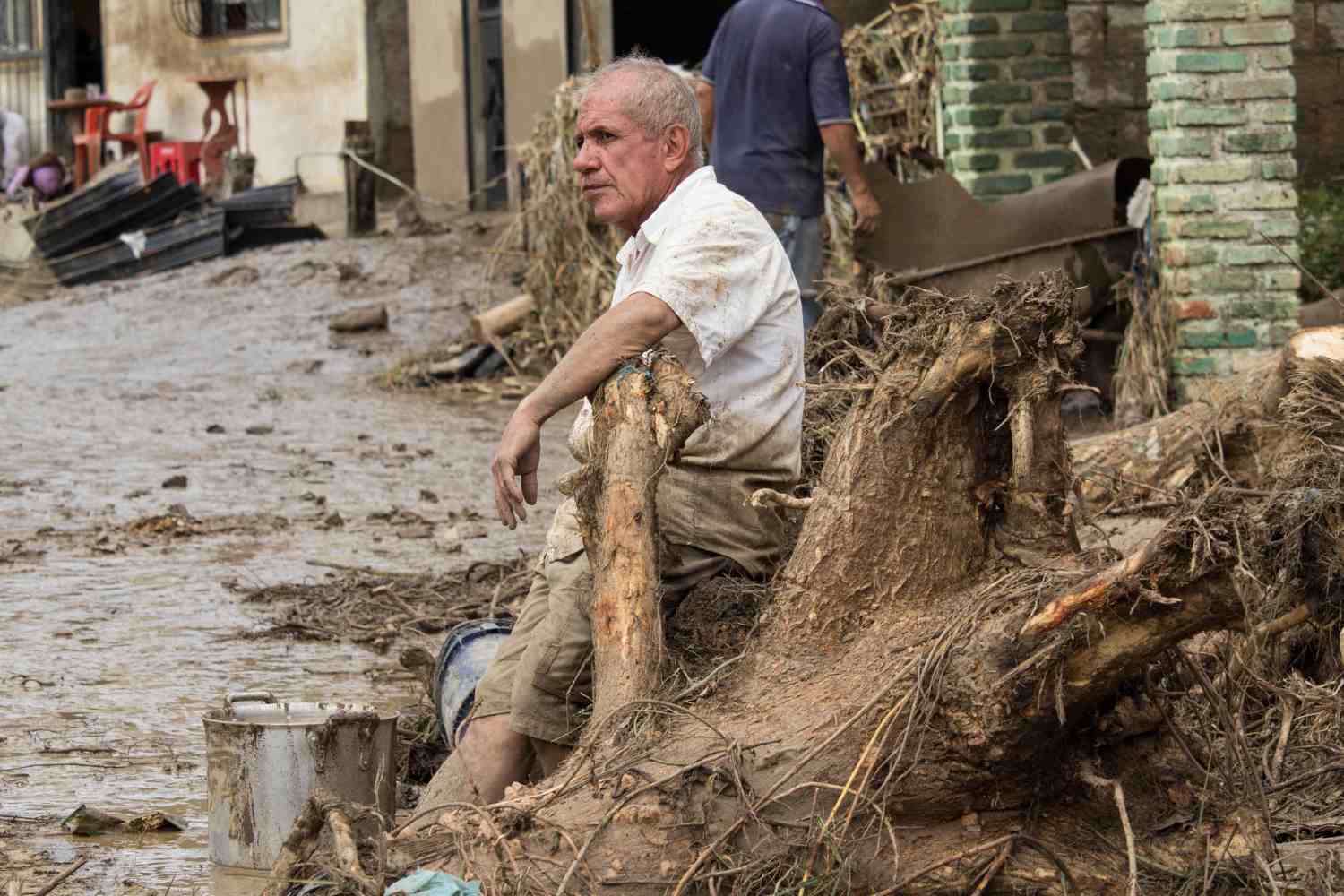
The first is the distribution injustice, which concerns the unfair distribution of costs and benefits. It manifests itself when the incentives for energy efficiency end up benefiting from medium-high income families, the only ones able to anticipate expenses, leaving behind those who live in energy poverty. Or when, after the flood in Romagna, the tenants were excluded from the first compensation or farmers of the Apennines, affected by landslides, did not receive aid because the mapping systems were designed only for the flooded areas.
Then comes the procedural injustice, which wonders about those who participate in decision -making processes. This, according to Mazzanti, is one of the most neglected forms in Italy. Too often, “decisions come from above and the institutions see participation as an obstacle, not as a plus”. The co-planning tables, when they exist, are described in the report as “mere formal formal obligations rather than real collaboration processes”. This systematically excludes the voices of those who live the crisis on their own skin.
Finally, there is the injustice of non -recognition, which denies value and legitimacy to the experiences and knowledge of the most fragile communities. It is a vision that, as Mazzanti explains, deals with people “with welfare and as passive actors”, not recognizing them as holders of vital knowledge.
Communities in vulnerability conditions are often seen as passive beneficiaries and not as actors with a real voice in the processes.
Ignoring their perception of risk or their knowledge of the territory means designing ineffective and alienating solutions.
Who pays the bill? The geography of the agaustice
This triple injustice has its own precise geography. In Sicily, “almost chronic” drought is not only a climatic data, but the result of years of lack of maintenance to water infrastructures. Those who do not have economic resources to get water through self -existing “will always find themselves disadvantaged”, explains Mazzanti. In Lombardy, floods regularly affect neighborhoods “where there is a very high presence of people in a condition of vulnerability that obviously do not have the opportunity to move”.
But it is also in Emilia-Romagna that the paradox of climatic policy proves to be in all its cruelty. After the devastating floods of 2023, the incentives for reconstruction showed their most unfair face: they required “economically anticipating the figures for some works”, effectively excluding those who did not have immediate liquidity.
If people do not have the skills, the economic resources to be able to do it, they are already in a condition of disadvantage and vulnerability compared to new and future extreme climatic events, observes the referent of the project.
A mechanism that transforms reconstruction into a new source of inequality.
The way out: a transition from below
The solution, then, can only be an inversion of course: starting from the bottom, returning “protagonism to local communities”. These are not only victims, but custodians of essential “knowledge” and “knowledge” for an effective adaptation.
In communities there are knowledge, there are knowledge that obviously must be put to the system and must be put into the policy making cycle, underlines Mazzanti.
It is a “cardinal and central” role, which also clearly emerges in emergency situations.
Solidarity networks during the flood in Romagna gave very effective answers.
But to transform this potentiality it actually serves a profound change in Italian climatic governance. According to Actionaid, a “more multidimensional and non -hyper -sectorialized approach” is necessary, which recognizes how “the climatic theme consists of a series of areas that are strongly intertwined with each other, such as infrastructure measures, health, welfare, just to name a few. It is then necessary to” insert greater criteria of fairness in the policies “, but above all it is necessary to” monitor the impacts “of the impacts, not only. From an environmental but also social point of view.
In addition to the indicators on environmental matrices, other types of indicators concerning health, rights, quality of life of people should be inserted, proposes the contact person.
A new climatic governance
For this, climatic governance in Italy must change radically, opening up to a “greater possibility of participation of communities, of competent civil society”. It is not a question of assistance, but of recognizing that we have “a very important heritage that is also the competence of an organized civil society” which “can really bring a lot” to decision -making processes.
Actonaid, with his “inclusion for a fair transition” project, works for this: transforming the principle of participation in concrete practice. It is a “cultural” change, admits Mazzanti, which proceeds slowly, while “climate change is much faster”. The challenge is this temporal discrepancy.
There is an urgency and a need to rethink also to governance, the design of policies, the involvement and participation of the communities that cannot keep up with the acceleration of the climatic crisis. Perhaps a greater radicality would be needed, a greater courage also by public administrations in approaching actions even of breakage compared to the past.
But the direction is clear. An ecological transition that leaves the most vulnerable behind is not a real transition. It is only yet another injustice.
Don’t you want to lose our news?
