
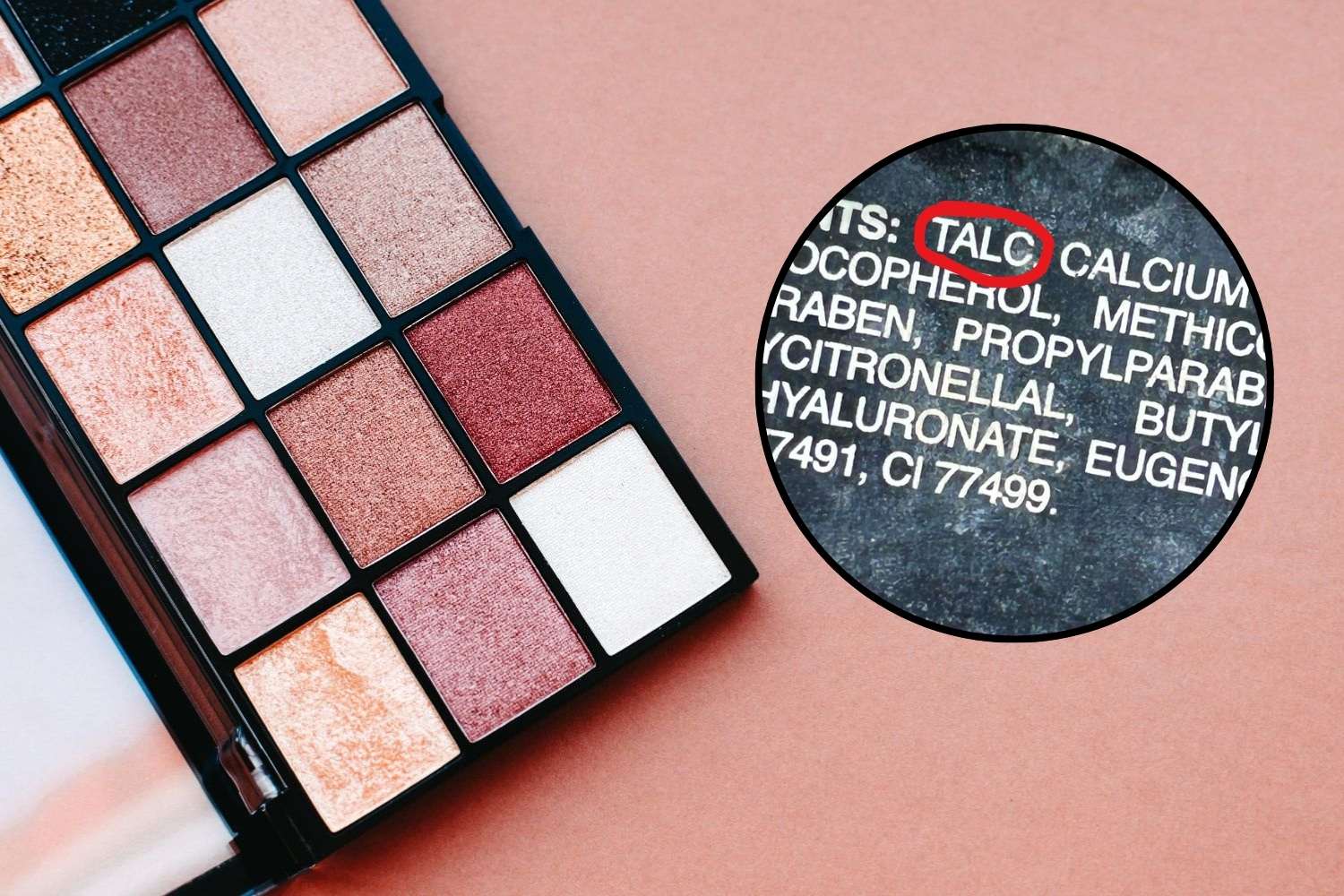
Talc is an ingredient that is hiding in many products of everyday use and often we don’t notice. For years, expert discussions have focused mainly on the risk of contamination with asbestos – a well -known carcinogen that can enter the mineral during extraction – but in recent times the concerns have increased. In fact, some studies indicate that even the talc itself could have carcinogenic properties, regardless of the presence of contaminants.
Not surprisingly, in July 2024 the International Agency for Cancer Research (IARC) reclassified Talco as “probably carcinogenic for man” (Group 2A), thus joining the already known danger of the talc contaminated with asbestos, recognized as carcinogen for humans since 2009. Subsequently, also the Committee for the risk assessment (RAC) of the Code has proposed to insert it in the list of cancers. of category 1b (alleged carcinogenic for humans).
Official reclassification at European level is therefore still being evaluated, but a decision could arrive already in the first months of 2026.
In the meantime, a question remains: in which daily use products hides talc? And when could an official prohibition of its use be triggered?
In which cosmetics we found talc
Talc is a very versatile mineral and is used in different industrial sectors, including the cosmetic one. Thanks to its ability to absorb humidity, make the skin silky and improve the texture of the products, it is present in many products that we use every day. Some examples:
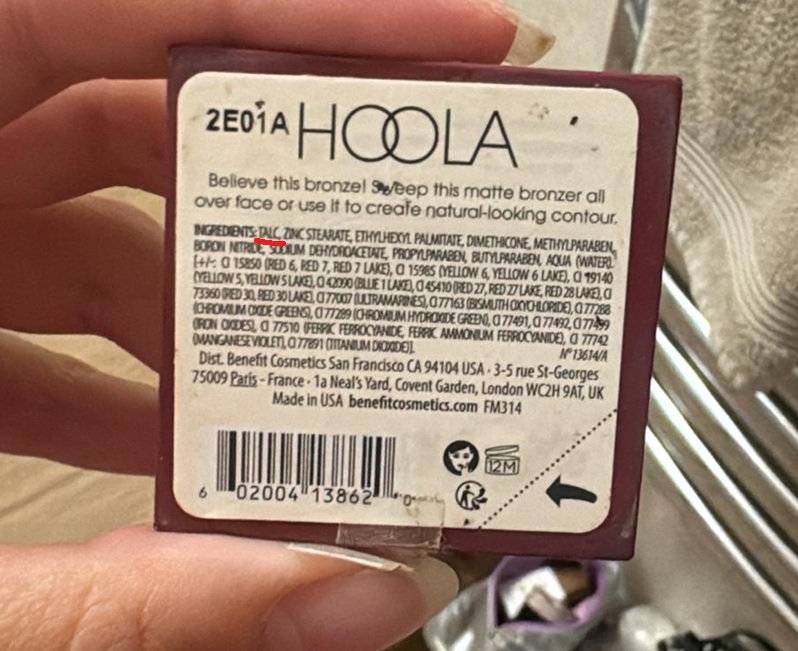
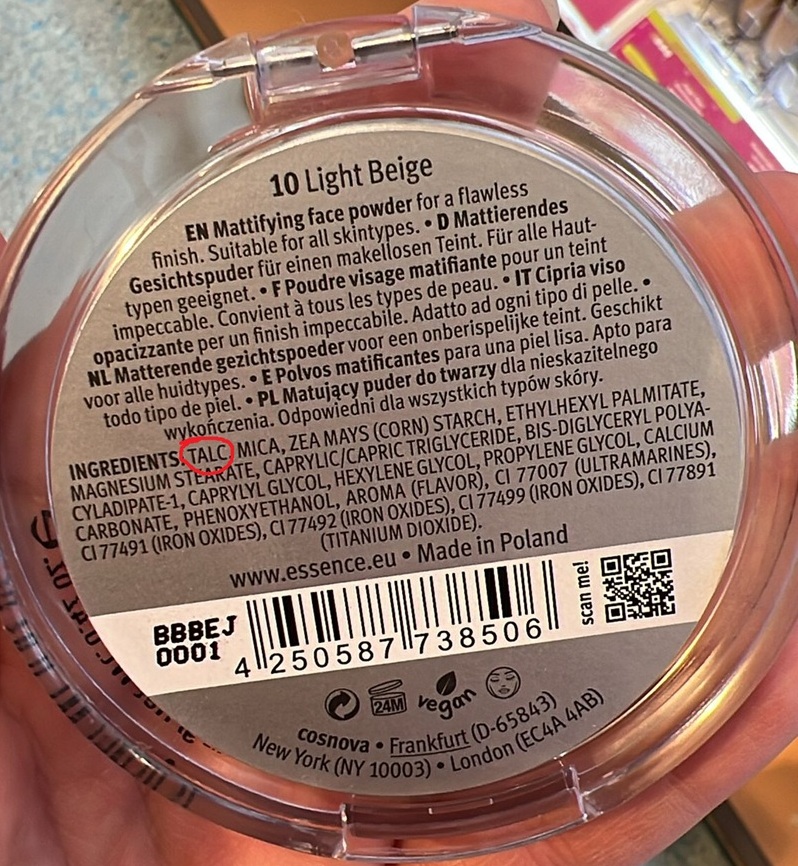
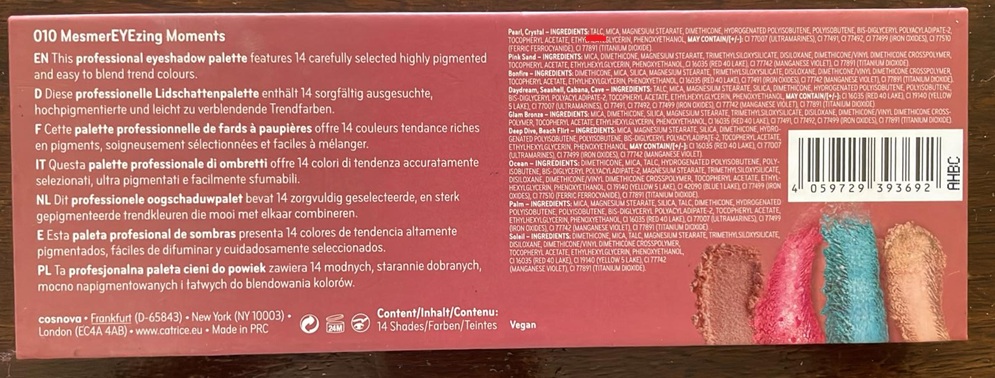
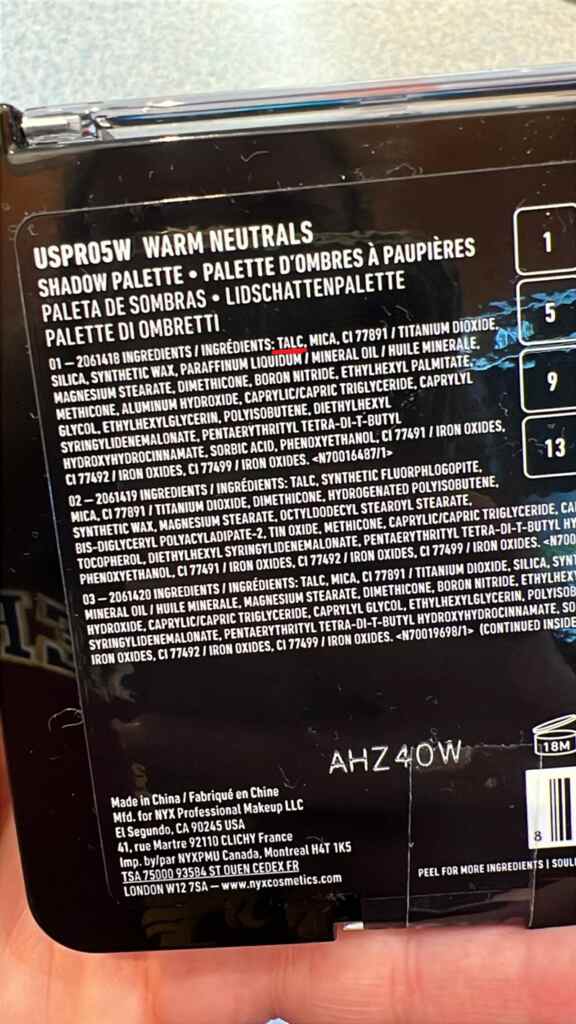
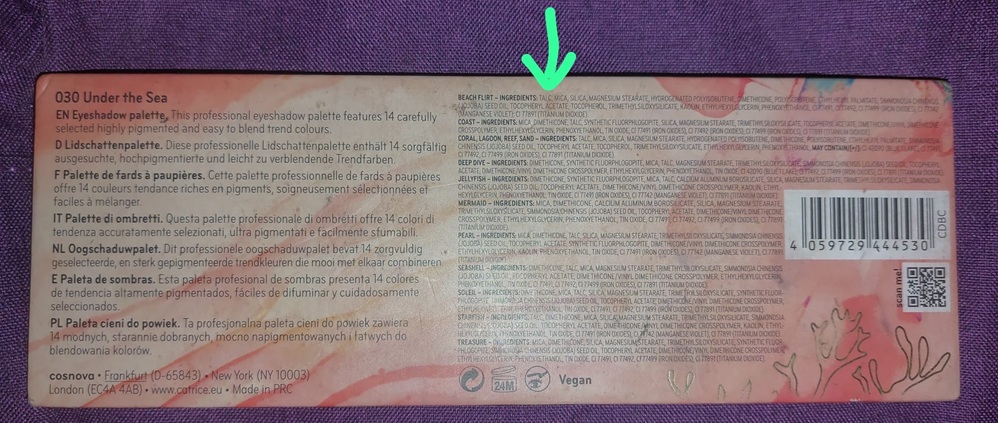
How much is it widespread? Just take a look at the products you have at home to realize that the talc is still widely used. In a small investigation among our cosmetics – and those used by some friends – we found several examples: blush, powders and powder eyeshadows of Note Marche that report the wording “Talc” on the label, and in all cases it was first in the list of ingredients (a sign that it is the most present element in the formula).
Here’s where we found it.
Debby Blush Experience
Bronzel Hola Benefit
Mattifying Compact Powder Essence
Palette Catrice
Ultimate Warm Neutrlas Nyx
Revolution eyeshadow palette
When will the ban enter into force?
The new classifications and legislative actions related to talc are still in progress. The opinion of the Committee for the risk assessment (RAC) of the European Agency for chemicals (Echa), which proposed to classify the talc as a carcinogen of category 1b (with effects above all on the lungs), has been transmitted to the European Commission and the Member States, which must now express themselves.
The final decision could arrive already at the beginning of 2026 and if reclassification will be confirmed, the use of talc in cosmetics is expected to be prohibited by the end of 2027, considering the technical times of application of the new rules.
In the meantime, many companies have already started to replace talc with safer alternatives, such as corn starch.
What to do in the meantime
While Europe tries to understand how much this ingredient is really dangerous for our health and if prohibiting it, the safest strategy is to limit the use of products that contain it. To do it:
Don’t you want to lose our news?
You may also be interested in:
